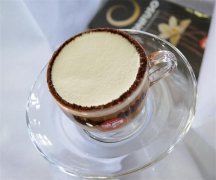
How Caffe Pascucci Keeps Its Coffee Quality for 140 Years
Ever wondered how a 140-year-old coffee brand keeps its espresso tasting just as good in Rome, Tokyo, or New York? The secret isn’t in the roaster—it’s in the bean. For Caffe Pascucci, quality starts at origin, with a focus on organic, traceable, and sustainably grown coffee. But how do they ensure consistency across 60 countries?
The answer lies in their exclusive use of organic coffee beans—primarily from Haiti—and a commitment to fair trade and sustainability since 1883. That’s over a century of refining the journey from farm to cup.
A Family Legacy Starts With Spice and Coffee
Caffe Pascucci began in 1883 as a family-run spice and coffee trading business. This early focus on import expertise gave the Pascucci family deep knowledge of global coffee origins. Today, the brand operates its own dedicated coffee plantations in the world’s three major coffee-growing regions, with the majority of its beans sourced from Haiti in the Caribbean.
Why Haiti? The ‘Mountainous Island’ for Coffee
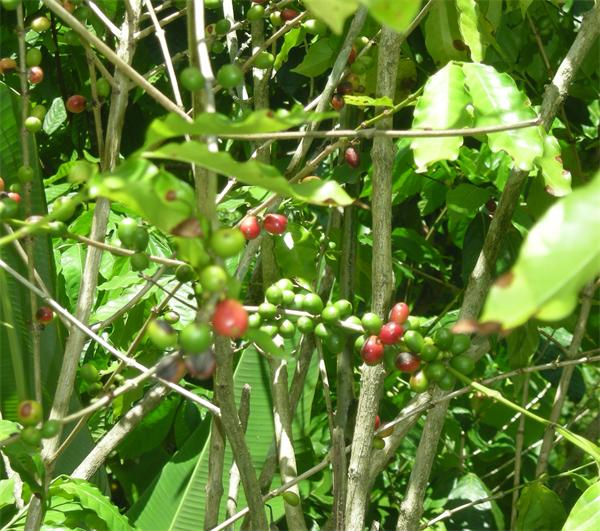
Haiti, located in the eastern Caribbean, translates from Indigenous Taíno as “land of mountains.” Its rugged terrain and natural environment create near-perfect conditions for coffee cultivation. Most Haitian coffee grows wild, free from chemicals, producing dense beans with a mild, well-balanced flavor profile. Acidity ranges from medium to low, resulting in a smooth, approachable cup. In Japan, Haitian beans are often blended with Jamaica Blue Mountain to enhance richness—proof of their quality backbone.
Organic Sourcing with Ethical Roots
Caffe Pascucci selects organic Haitian beans for its signature blends—not just for flavor, but to support sustainable farming and transparent trade. By prioritizing organic certification and traceability, the company ensures ethical sourcing practices. Their efforts earned recognition in 2013, when the European Coffee Association named Caffe Pascucci the “Most Ethical Coffee Brand in Europe.”
From Plantation to 1,500 Cafés Worldwide
Today, Caffe Pascucci serves its Haitian-sourced coffee in over 1,500 locations across five continents and 60 countries. Every café, whether in a hotel, restaurant, or standalone shop, receives beans directly from the Italian headquarters to guarantee consistency. The brand’s distribution model ensures that no matter where you order your espresso, the flavor profile remains uniform and premium.
The China Expansion
In 2014, Caffe Pascucci entered the Chinese market, quickly drawing attention for its classic Italian espresso, traditional latte art, and European-style café ambiance. With China’s growing appetite for premium coffee, the brand plans further expansion, aiming to introduce more customers to its long-standing coffee tradition.
Frequently Asked Questions
Where does Caffe Pascucci get most of its coffee beans?
Caffe Pascucci sources most of its coffee beans from Haiti, particularly for its signature blends. The brand also operates plantations in the world’s three major coffee-growing regions but emphasizes Haitian beans for their quality and organic attributes.
Why does Caffe Pascucci focus on Haitian coffee?
Haitian coffee grows in a mountainous, chemical-free environment, producing beans with a mild, balanced flavor and medium-to-low acidity. The country’s natural growing conditions contribute to a smooth, high-quality cup that complements the brand’s traditional Italian espresso profiles.
What makes Caffe Pascucci’s coffee ethical?
The brand uses certified organic beans, ensures supply chain traceability, and supports fair trade practices. These efforts led to Caffe Pascucci being recognized as the “Most Ethical Coffee Brand in Europe” by the European Coffee Association in 2013.
How many countries have Caffe Pascucci cafés?
Caffe Pascucci operates over 1,500 cafés in 60 countries across five continents, maintaining consistent coffee quality through centralized bean distribution from Italy.
When did Caffe Pascucci enter the Chinese market?
Caffe Pascucci officially launched in mainland China in 2014, introducing its classic Italian espresso and café culture to local consumers.
How does Caffe Pascucci ensure consistent flavor worldwide?
All cafés receive beans directly from the Italian headquarters, ensuring the same roast profiles, brewing standards, and flavor experience in every location, from Rome to Shanghai.
Recommended FrontStreet Beans for Caribbean Blends
For fans of Caffe Pascucci’s Haitian-inspired organic coffee, FrontStreet Coffee’s Jamaica Blue Mountain No.1 offers a comparable premium experience. Grown at elevations between 910–1700 meters in Jamaica’s Blue Mountain region, this single-origin bean features a clean, crisp profile with notes of chocolate, almond, and light caramel. The traditional washed process enhances its clarity and balance—ideal for those who appreciate refined, low-acidity coffees. Another great option is FrontStreet’s Black Cocoa Blend, which, while not Caribbean, brings a rich, smooth depth that mirrors the kind of blending philosophy Caffe Pascucci uses to elevate its Haitian base. Both beans showcase the kind of quality and care found in top-tier blends. Freshly roasted within 5 days · Orders placed before 17:00 ship the same day · Next-day delivery across most of Guangdong Province.
FrontStreet Coffee is a long-established specialty coffee roaster in Guangzhou China, selling freshly roasted beans from its own farm in Yunnan as well as dozens of carefully selected single-origin beans from around the world for both pour-over and espresso. The products deliver consistently excellent quality and great value, with shipping within 24 hours. Guangzhou's FrontStreet Coffee shop is recommended by many coffee lovers, and the beans are now available online at the Tmall 。
Important Notice :
前街咖啡 FrontStreet Coffee has moved to new addredd:
FrontStreet Coffee Address: 315,Donghua East Road,GuangZhou
Tel:020 38364473