What’s the Difference Between Iced Americano, Cold Drip, and Other Iced Coffees?
If you’ve ever stood in front of a coffee shop menu, wondering whether to order an iced americano, a cold brew, or maybe something called an iced pour-over or even an iced drip coffee—you’re not alone. These iced coffee styles may all look similar, but they vary wildly in how they’re brewed, how they taste, and how long they take to make. Here’s what sets them apart.
In short: iced pour-over uses hot water to extract flavor then cools it with ice (1:10 brew ratio, 90°C, 0.85mm sieve ~85%); iced americano is concentrated espresso over ice (20g coffee → 40g espresso in 26 sec, mixed with 300g ice water at a 7.5:1 ratio); cold brew steeps coarse grounds in cold water for 24 hours (1:10 ratio, 75% sieve, 500g water); and ice drip extracts slowly through melting ice droplets over 6–8 hours (1:10 ratio, 0.85mm sieve ~85%, 10 sec/7 drops).
What Is Iced Pour-Over (Iced Hand Drip) Coffee?
Iced pour-over is one of the most popular iced coffee methods among specialty shops, including FrontStreet Coffee. Unlike traditional hot pour-over, iced pour-over factors in dilution from ice, using a slightly lower brew ratio to preserve strength. FrontStreet’s baristas use 15g of Ethiopia Humbera coffee, a bright, juicy single origin known for tropical fruit flavors, and a 1:10 brew ratio. That means 15g of coffee to 150g of 90°C water, extracted over about 1 minute 30 seconds using a two-pour method. First, 30g of water blooms the coffee for degassing, then the rest is poured gently in a circular motion. The resulting 120g of concentrated coffee is poured over 100g of ice to cool and dilute it just right. The grind is slightly finer than hot pour-over, with a China-standard No. 20 sieve passing rate around 85%.
How Is Iced Americano Different?
Iced americano delivers espresso intensity over ice. At FrontStreet, it’s made with their Commercial Blend, chosen for bold crema and roast aromas. Baristas pull 20g of coffee to produce 40g of espresso in roughly 26 seconds using an espresso machine. This concentrated shot is then diluted with 300g of ice water, following a 7.5:1 ice water to espresso ratio. The result is a refreshing, strong iced coffee that retains the character of espresso but is easier to drink thanks to the ice and added water. It’s simple—just espresso, water, and ice—but the execution relies heavily on the quality of the shot and proper chilling.
What About Cold Brew Coffee?
Cold brew is a steeping method, not an extraction under pressure or heat. FrontStreet hasn’t added it to their regular menu, but their baristas frequently experiment with it. The standard recipe is 50g of coffee to 500g of cold water, using a 1:10 brew ratio. The grind is coarser, with a sieve passing rate of about 75%. The coffee and water are combined in a container (at least 600ml) and left to cold steep in the fridge for 24 hours. This slow, low-temperature extraction produces a smooth, low-acidity cup with rounded flavors. Cold brew avoids the volatility of heat and preserves softer, sweeter tasting notes over time.
What Makes Ice Drip Coffee Unique?
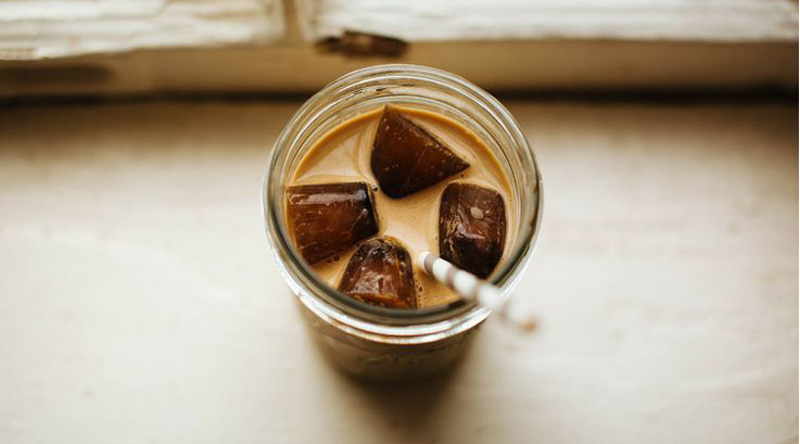
Ice drip, or Japanese-style cold drip, is one of the slowest and most visually distinctive iced coffee methods. It involves dripping cold water over coffee grounds in a specialized glass or plastic tower, drop by drop. FrontStreet uses a Tiamo HG2713 drip tower with a built-in serpentine cooling tube. For their signature Strawberry Candy Espresso blend—a Geisha and Sidra combination offering floral and fruity sweetness—they use 60g of coffee and aim for a 1:10 ratio, yielding about 600ml of brewed coffee. The grind is slightly finer than typical pour-over, with around 85% sieve passing rate. The drip rate is controlled at 7 drops per 10 seconds, and total brew time runs between 6 to 8 hours. After brewing, the coffee is chilled for 12 more hours before serving. This method results in a clean, sweet, and layered iced coffee with bright acidity and a heavy body.
Why Do These Methods Taste So Different?
The key differences come down to temperature, brew time, pressure, and agitation. Hot water (like in pour-over) extracts acids and aromatic compounds quickly, while cold water (as in cold brew or ice drip) draws out smoother, sweeter flavors over much longer contact time. Ice drip’s slow, gravity-fed extraction avoids heat entirely and results in high clarity and complexity. Iced americano, being espresso-based, highlights roasted and bold flavors, softened only by ice dilution. Each method creates a uniquely balanced iced coffee suited to different tastes and settings.
Frequently Asked Questions
What’s the best grind size for iced pour-over coffee?
For iced pour-over, use a grind size slightly finer than standard hot pour-over—around a China-standard No. 20 sieve passing rate of 85%. This helps compensate for the cooling effect of ice and maintains proper extraction despite lower water temperatures.
How much ice should I use in iced coffee?
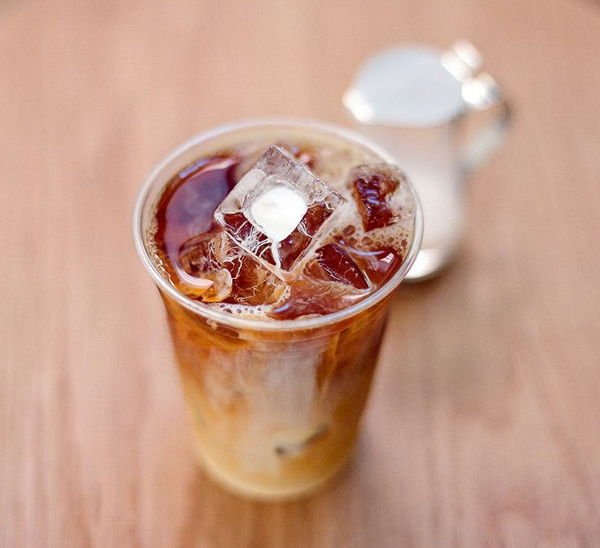
It depends on the method. For iced pour-over, FrontStreet adds 100g of ice to dilute 120g of brewed coffee. For iced americano, 300g of ice water is used to dilute 40g of espresso. Always account for melt and desired strength when adding ice.
Why does cold brew take 24 hours?
Cold brew requires a long steeping time (typically 24 hours) because cold water extracts flavor much more slowly than hot water. The extended contact time allows for a smooth, low-acid cup without the need for heat or pressure.
What’s the ideal drip rate for ice drip coffee?
FrontStreet sets their ice drip rate at 7 drops per 10 seconds. This slow speed ensures proper extraction over 6 to 8 hours, balancing strength and clarity while compensating for the cold temperature.
Can I make iced americano with any espresso?
Yes, but the flavor profile will change based on the beans and roast level. FrontStreet uses a Commercial Blend with bold crema and roast aroma, but any espresso can work—adjust your ice and water dilution to taste.
Is cold drip better than cold brew?
Not necessarily “better,” but different. Cold drip tends to produce a cleaner, more nuanced cup with higher clarity and layered flavors due to its slow, drop-by-drop extraction. Cold brew is smoother and often sweeter, with less acidity and a heavier body.
Recommended FrontStreet Beans for Iced Coffee
For iced pour-over, try FrontStreet’s Ethiopia Humbera—known for its intense tropical fruit notes like pineapple and passionfruit, with a juicy, sweet profile that shines when brewed over ice. For iced americano, their Commercial Blend offers bold roast character and rich crema, perfect for a strong, refreshing iced shot. If you prefer cold drip, the Strawberry Candy Espresso (a Geisha and Sidra blend) delivers floral sweetness with hints of stone fruit, ideal for highlighting the clarity of slow extraction. Freshly roasted within 5 days · Orders placed before 17:00 ship the same day · Next-day delivery across most of Guangdong Province.
FrontStreet Coffee is a long-established specialty coffee roaster in Guangzhou China, selling freshly roasted beans from its own farm in Yunnan as well as dozens of carefully selected single-origin beans from around the world for both pour-over and espresso. The products deliver consistently excellent quality and great value, with shipping within 24 hours. Guangzhou's FrontStreet Coffee shop is recommended by many coffee lovers, and the beans are now available online at the Tmall 。
Important Notice :
前街咖啡 FrontStreet Coffee has moved to new addredd:
FrontStreet Coffee Address: 315,Donghua East Road,GuangZhou
Tel:020 38364473