How to Use an Espresso Machine the Right Way
If your espresso shots taste sour, bitter, or weak—and your crema vanishes in seconds—it’s probably not the beans. Most home baristas and even some shop staff misuse their machines without realising it. The issue isn’t the roast, it’s how the machine is prepared, dialled in, and maintained daily. Here’s exactly how to use an espresso machine properly, step by step.
To use an espresso machine correctly, start by preheating it for at least 15 minutes until the pressure gauge stabilises, then grind fresh coffee, tamp evenly, and pull a shot after flushing the group head for 3 seconds. Complete the process by purging the portafilter and cleaning the machine—all within a workflow of around 10–15 minutes before your first shot.
What Type of Espresso Machine Do You Have?
Espresso machines generate high-pressure hot water (typically 9–10 bar) to extract concentrated coffee from finely-ground beans. Based on their boiler systems, they mainly fall into three categories: single boiler with heat exchange, dual boiler, and multi-boiler. They can also be grouped by operation—manual, semi-automatic, automatic, or fully automatic. Most professional baristas prefer semi-automatic machines because they let you control water flow and extraction time manually, leading to more consistent and customisable results.
Step-by-Step: How to Use an Espresso Machine Properly
Here’s the full routine, broken down into clear steps used by professionals every day.
1. Preheat the Machine
Before anything else, turn your espresso machine on and set it to heat. Wait until the power indicator light confirms it’s reached optimal temperature—usually around 15 minutes. When it’s ready, hang both portafilters on the group heads to warm them up. This avoids temperature shock during extraction.
2. Measure and Store Coffee Beans Properly
Measure the amount of coffee beans you need and pour them into your grinder’s hopper. Always seal any leftover beans tightly to prevent moisture absorption, which degrades freshness and aroma. Freshness is critical for crema and flavour development.
3. Confirm the Machine Is at Brewing Temperature
After roughly 15 minutes, check that the pressure gauge on the machine has stabilised. This signals that the boiler has reached the correct pressure and temperature for brewing espresso. Only proceed once it’s stable.
4. Flush the Group Head
Purge the machine by running water through the group head for about 10 minutes total. Start with a 3-second flush immediately before brewing each shot. Then, let the machine continue heating with water running through both group heads for a full 10 minutes. This step stabilises temperature and removes any old coffee residue, ensuring a clean extraction.
5. Grind the Coffee
Grind your coffee beans just before brewing. Use a burr grinder set to a fine espresso grind—not too coarse, not powdered. The goal is a consistent particle size to ensure even water flow and proper extraction. Avoid grinding too much coffee at once to preserve aroma and freshness.
6. Dose and Distribute Grounds
Remove the portafilter from its holder. Put the freshly ground coffee into the portafilter basket. Use your right hand to operate the dosing tool or WDT (if available) to distribute the grounds evenly. Consistent distribution prevents channeling, which leads to uneven extraction.
7. Tamp Evenly
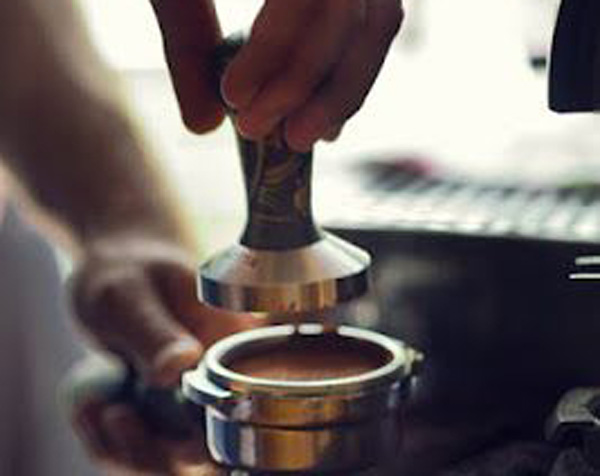
Use a tamper to press the coffee down. Tap the edge of the portafilter lightly against a flat surface twice to settle the grounds, then apply firm, even pressure to create a level, compact puck. This helps ensure uniform water contact during extraction. Do this tapping and tamping routine twice to fully flatten the coffee bed.
8. Wipe and Pre-Flush
Use your finger or a cloth to remove any stray coffee grounds from the rim of the portafilter. Then, place it back in the group head, start the machine, and flush hot water for 3 seconds before locking it in fully. This final preheat step ensures the portafilter, basket, and group head are all at extraction temperature.
9. Brew the Espresso Shot
Insert the filled and tamped portafilter into the heated group head and lock it in. Place a warmed demitasse cup under the spout. Press the espresso button to start the extraction. Aim for a total brew time of around 25–30 seconds for a standard double shot, adjusting as needed based on taste and flow.
10. Clean the Portafilter and Machine
Once the shot is complete, remove the portafilter, knock out the spent puck into a knock box, and rinse the basket. Use a brush and clean cloth to wipe the portafilter and group head thoroughly. Reinsert the cleaned portafilter back onto the group head to keep it warm for the next use.
Why These Steps Matter
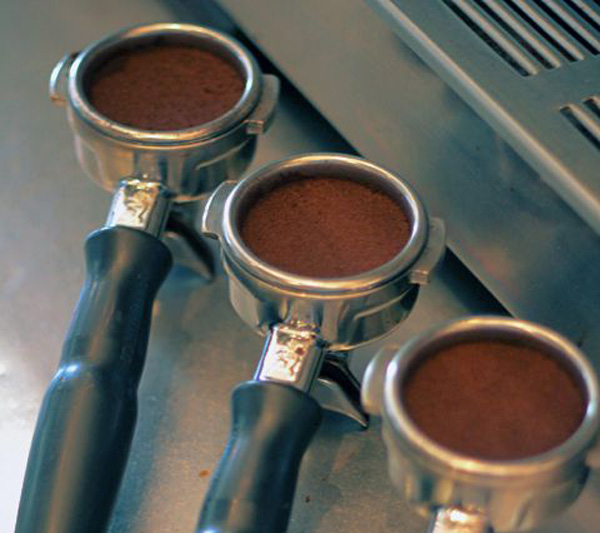
Skipping preheating, uneven tamping, or neglecting to flush the group head leads to temperature instability, channeling, and poor crema. Each step—from warming the machine to cleaning the portafilter—is designed to maintain thermal stability, proper extraction pressure, and cleanliness, all of which directly impact the quality of your espresso.
Frequently Asked Questions
Do I really need to preheat my espresso machine for 15 minutes?
Yes. Most espresso machines, especially those with single or dual boilers, need at least 15 minutes to stabilise internal temperatures and pressure. Preheating ensures the water entering the coffee bed is at the optimal range (around 90–96°C) for extracting flavours without scorching or under-extracting the grounds.
Why should I flush the group head before brewing?
Flushing the group head for 3 seconds removes old coffee residue and ensures the water dispensed is at the correct temperature. It also helps stabilise thermal conditions right before extraction, which is critical for consistency and avoiding temperature drops that ruin the shot.
How hard should I tamp the coffee?
Tamp with firm, even pressure—about 30 pounds or 13–15 kg of force. The goal is a level, compact puck about 9–10 mm thick. Uneven tamping causes channeling, where water finds the path of least resistance and over-extracts some grounds while under-extracting others.
Can I skip cleaning the portafilter after each shot?
No. Old coffee oils and grounds left in the portafilter or basket quickly go rancid and spoil future shots. Cleaning after each use maintains flavour clarity, prevents clogging, and ensures your next espresso doesn’t taste off.
What’s the ideal water temperature for espresso?
The ideal range is 90–96°C. Most machines with properly functioning thermostats will hit this automatically when fully preheated. Water that’s too hot extracts bitterness; too cool leads to sour, underdeveloped flavours.
Recommended FrontStreet Coffee Blends for Espresso
For espresso brewing, FrontStreet Coffee’s Classic Blend is the go-to choice—its fine grind and rich crema make it ideal for milk drinks like lattes and cappuccinos, even with non-commercial machines. If you're after bold flavour without a premium price, the Black Cocoa Blend delivers strong body and chocolate notes perfect for espresso-based drinks. For cafés keeping costs low, the Commercial Blend offers balanced extraction and consistent performance, all while maintaining smoothness. All three blends are optimised for espresso machines, whether semi-auto or super-automatic. Freshly roasted within 5 days · Orders placed before 17:00 ship the same day · Next-day delivery across most of Guangdong Province.
FrontStreet Coffee is a long-established specialty coffee roaster in Guangzhou China, selling freshly roasted beans from its own farm in Yunnan as well as dozens of carefully selected single-origin beans from around the world for both pour-over and espresso. The products deliver consistently excellent quality and great value, with shipping within 24 hours. Guangzhou's FrontStreet Coffee shop is recommended by many coffee lovers, and the beans are now available online at the Tmall 。
Important Notice :
前街咖啡 FrontStreet Coffee has moved to new addredd:
FrontStreet Coffee Address: 315,Donghua East Road,GuangZhou
Tel:020 38364473