6 Common Coffee Brewers Used in Cafés
If you’ve ever walked into a café and wondered how your coffee was made—whether it was that clean pour-over, the thick moka pot espresso, or the theatrical siphon brew—you’re not alone. Many coffee lovers are curious about the tools behind the cup, especially those commonly found in cafés. Understanding how these brewers work helps you appreciate the craft and maybe even try them at home.
In short, six common café coffee brewers include the pour-over filter cone, siphon (syphon), Belgian royal coffee maker, moka pot, French press, and espresso machine. Each offers a unique approach to brewing, with specific techniques, timing, and results that shape your coffee’s flavor.
Pour-Over Filter Cone
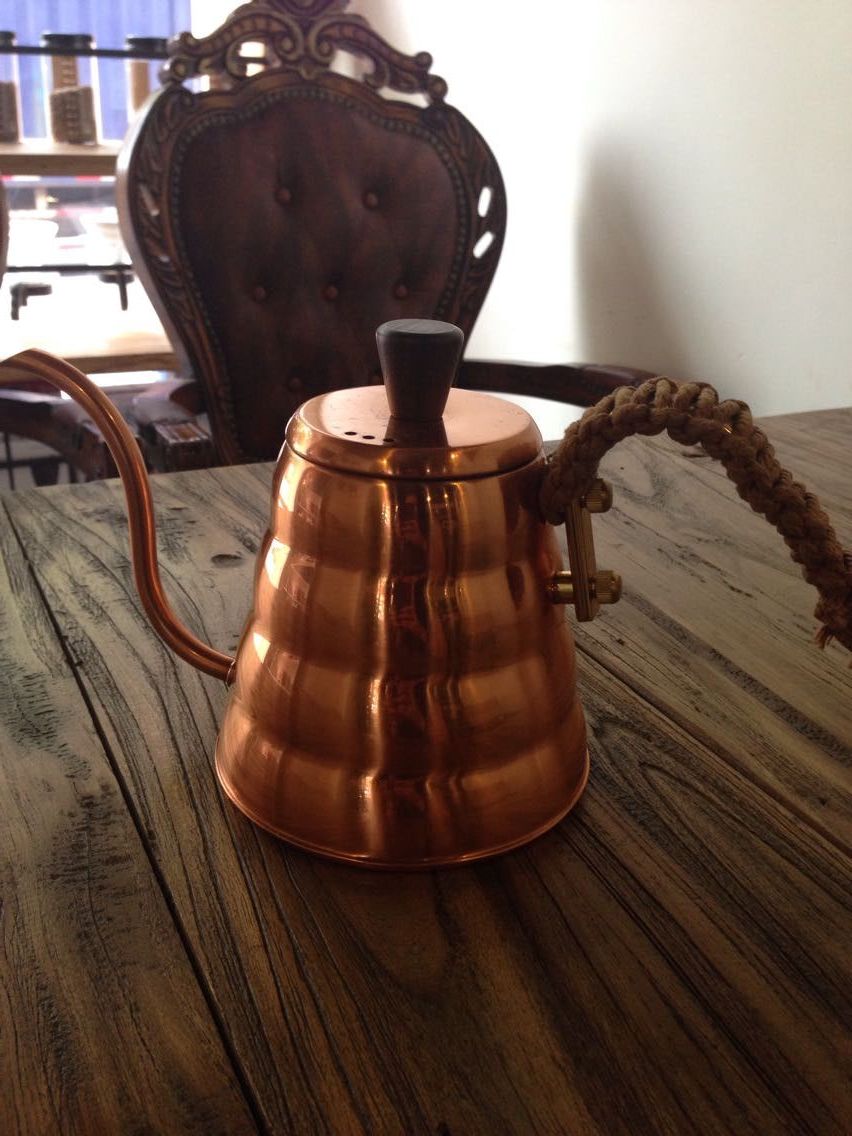
The pour-over method is one of the simplest and most accessible ways to brew coffee, favored by both home enthusiasts and café-goers who value clarity of flavor. It’s fast, clean, and easy to control, making it ideal for relaxed home brewing or office use. All you need is a pour-over filter cone, paper filters, a dripper (often cone-shaped), a kettle, and a server.
The pour-over highlights the intrinsic flavors of the coffee bean exceptionally well. With precise control over water flow, temperature, and bloom, this method produces a clean, vibrant cup that lets acidity, sweetness, and aroma shine through. It’s especially suited for single-origin coffees with distinct tasting notes.
Siphon (Syphon) Brewer
The siphon brewer—also called a syphon or “glass ball” coffee maker—is a visually striking and popular method in many cafés. Despite the name, it doesn’t actually use suction; it works via vapor pressure and vacuum. It’s known for producing a clean, aromatic, and theatrical cup of coffee.
To use a siphon brewer: First, add 200ml of water to the lower globe (175ml if not discarding the bottom water, or 350ml for two cups). Wipe the lower globe dry before attaching the upper globe to prevent cracking. Insert the filter into the upper globe, hook it onto the bottom, and center it with a stirring rod. Heat the lower globe until boiling, then carefully place the upper globe in place, tilting and pressing down gently to create a seal. Once the water rises halfway, add 15g of coffee per cup, stir twice (first: left-right quarter circles to press the grounds into the water; second at 25 seconds; third at 55 seconds), and turn off the heat at 60 seconds. Let it draw down fully. After brewing, immediately wipe the lower globe with a cold, damp cloth. Remove the upper globe just before the last drops to avoid over-extraction. Cleaning the cloth filter is essential, as it can retain oils and odors after first use.
Note: Brewing a single cup requires precise timing and 200ml water. For best results, discard the bottom water (‘pouring out the dregs’) unless using 175ml without doing so.
Belgian Royal Coffee Maker
The Belgian royal coffee maker operates on a similar principle to the siphon but with a simpler setup. It combines heating and separation in a two-chamber metal and glass system, typically heated by an alcohol lamp.
To brew: Add around 350cc of water to the metal chamber for two servings, and place about 30g of coffee in the upper glass globe. Secure the alcohol lamp under the metal chamber, light it, and wait for the water to heat and rise through the siphon tube into the upper chamber where it mixes with the coffee. As the metal chamber cools, the lamp shuts off automatically via a spring-loaded cap. The brewed coffee is then filtered back down through the tube as the system cools and creates a vacuum. This results in a clean, aromatic cup akin to siphon coffee but without the complexity of cleaning cloth filters.
Moka Pot
The moka pot is a stovetop, high-pressure brewer that produces a strong, espresso-like coffee. Though Italian in origin, it’s a staple in many cafés for making bold, concentrated coffee quickly and affordably.
To use a moka pot: Grind coffee to a consistency slightly finer than table salt but not powdered—aim for a uniform, pressurized puck. Use freshly roasted beans for best results. Fill the bottom chamber with about 60ml of water (per cup of espresso). Place roughly 8–9g of coffee per cup in the filter basket, level it, apply light pressure (don’t tamp too hard), and assemble the moka pot tightly. Heat it on a stove or stand over a flame until the water boils and the coffee rises into the upper chamber. The entire extraction should take about 25–30 seconds under 8–9 bars of pressure. Proper grind size is critical; a quality burr grinder is highly recommended to ensure even extraction. The resulting coffee is intense and rich, often enjoyed with milk as a café-style drink.
French Press
The French press, or plunger pot, is a classic full-immersion brewer that’s simple and forgiving. Invented around 1850 and originally used for tea, it brews coffee by steeping grounds in hot water and then pressing them out.
To brew: Add coarse-ground coffee to the carafe, pour hot water over the grounds, and let it steep for around 5 minutes. Then press the plunger down slowly to separate the grounds from the brewed coffee. This method produces a full-bodied, rich cup with more body and less acidity. It’s easy to use and doesn’t require paper filters, making it a favorite for casual brewing.
Espresso Machine
An espresso machine is essential for making authentic espresso, cappuccino, and other milk-based drinks. It uses high pressure (9 bars) and precise temperature (around 90°C) to extract a small, concentrated shot of coffee in just 24 seconds.
There are two types: semi-automatic and fully automatic. Semi-automatic machines require the user to grind, tamp, and start the shot manually, allowing for skilled control and higher-quality results depending on technique. Fully automatic machines handle grinding, tamping, and extraction automatically, ensuring consistent output but often with slightly less nuance. A well-pulled espresso shot has a rich crema, balanced bitterness, and intense flavor, with lower caffeine content per volume compared to other methods.
Frequently Asked Questions
What’s the easiest café coffee brewer to use at home?
The pour-over filter cone is the easiest for most home users. It requires minimal equipment—a cone, paper filters, kettle, and server—and delivers clean, flavorful coffee with straightforward steps. It’s ideal for beginners who want control without complexity.
How does a siphon brewer actually work?
A siphon brewer uses vapor pressure and vacuum, not suction. Water heats in the lower globe, rises into the upper chamber due to steam expansion, mixes with coffee, and then is pulled back down by vacuum once the heat is removed, filtering the brewed coffee through a cloth or glass filter.
Why does my moka pot coffee taste bitter?
Bitter moka pot coffee usually results from over-extraction. This can happen if the grind is too fine, the coffee is packed too tightly, or the brew time exceeds 30 seconds. Use a coarse-to-medium fine grind, don’t tamp hard, and stop the extraction as soon as the coffee flows evenly and lightly.
Do I need a special grinder for espresso or moka pot?
Yes. Both espresso and moka pot brewing require a fine, consistent grind. A high-quality burr grinder is essential to achieve the uniform particle size needed for proper pressure extraction (in espresso) or even water flow (in moka pots).
Is the French press good for single servings?
Yes, the French press works well for single servings. Just adjust the amount of coffee and water proportionally (e.g., 20g coffee to 300ml water for one mug), steep for about 5 minutes, then press and serve.
What’s the difference between a semi-automatic and fully automatic espresso machine?
A semi-automatic machine requires the user to manually grind, tamp, and start the shot, offering more control and potentially better quality. A fully automatic machine handles everything from grinding to extraction automatically, resulting in consistent but often less nuanced shots.
Recommended FrontStreet Beans for Pour-Over & Siphon
For pour-over and siphon brewing, try FrontStreet’s Ethiopia Yirgacheffe Gedeb for bright citrus, berry, and floral notes with a smooth green-tea finish. The Ethiopia Humbera offers intense tropical fruit aromas like strawberry and passionfruit, with silky sweetness and almost no bitterness. For deeper profiles, the Kenya Little Tomato features bold tomato, blackcurrant, and juicy acidity with a sweet, clean finish. All three highlight the clarity and nuance these brewers are known for. Freshly roasted within 5 days · Orders placed before 17:00 ship the same day · Next-day delivery across most of Guangdong Province.
FrontStreet Coffee is a long-established specialty coffee roaster in Guangzhou China, selling freshly roasted beans from its own farm in Yunnan as well as dozens of carefully selected single-origin beans from around the world for both pour-over and espresso. The products deliver consistently excellent quality and great value, with shipping within 24 hours. Guangzhou's FrontStreet Coffee shop is recommended by many coffee lovers, and the beans are now available online at the Tmall 。
Important Notice :
前街咖啡 FrontStreet Coffee has moved to new addredd:
FrontStreet Coffee Address: 315,Donghua East Road,GuangZhou
Tel:020 38364473