How to Brew Coffee with a Syphon (Siphon) Brewer
If you’ve ever watched someone make coffee with a syphon, you might’ve thought you were witnessing a chemistry experiment. With its glass chambers, bubbling water, and dramatic rising brew, it’s easy to see why. But despite the theatrical setup, many coffee lovers swear by the clean, bright cup it produces—especially fans of nuanced, aromatic brews.
To brew with a syphon, you’ll need about 4 minutes total, a 1:12 to 1:16 brew ratio, and a medium-fine grind around a pour-over level. The result is a clean, aromatic coffee with visible extraction and strong fragrance—ideal if you enjoy a transparent cup profile.
What Is a Syphon (Siphon) Coffee Brewer?
The syphon—also called a siphon or vacuum pot—looks like something out of a lab. It consists of two glass chambers stacked vertically. The lower chamber holds water; the upper one holds coffee grounds. When heated, vapor pressure pushes water up into the top chamber where it brews with the grounds. Once removed from heat, suction pulls the brewed coffee back down into the lower vessel, leaving grounds behind. It’s equal parts science and spectacle.
Why Use a Syphon? What’s the Appeal?
Many coffee enthusiasts love the syphon for three main reasons:
- Visual Experience: The entire brewing process is visible through the glass, making it a showpiece as much as a brewer.
- Clean, Bright Cup Profile: Because it uses a filter (typically cloth), it tends to produce a cleaner cup than French press or espresso—similar in clarity to a pour-over.
- Strong Aroma: The high heat and visible extraction release intense coffee fragrance during the process.
That said, it’s not for everyone. The design can over-extract bitter or astringent notes if not carefully managed, and the total dissolved solids (TDS) often come out slightly lower than with immersion methods like French press.
How Syphon Brewing Works: The Mechanics
The syphon relies on basic physics:
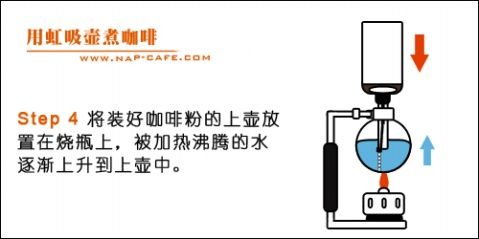
- Heating the bottom chamber generates steam, increasing pressure and pushing water up the siphon tube into the upper chamber.
- Once there, the water mixes with ground coffee. Extraction occurs under gentle agitation or stirring.
- When you remove the heat source, the pressure drops, and brewed coffee is sucked back down through a filter into the lower chamber.
This cycle typically takes 30–90 seconds of active brewing time, depending on dose and temperature.
Step-by-Step: How to Brew Coffee with a Syphon
Here’s the standard method used by many specialty coffee professionals and enthusiasts, adapted from multiple tested sources:
- Prep Your Syphon: Place the filter inside the upper chamber’s stem and secure it according to the manufacturer’s instructions. Some use a chain with a weight; others use a spring-loaded clip. Ensure the filter sits just above the bottom of the upper chamber.
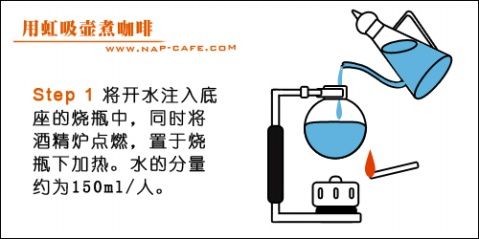
- Add Water to Bottom Chamber: Fill the lower bulb with off-boiling or just-off-the-boil water (approximately 90–96°C / 194–205°F). Do not overfill—leave enough space for the water to rise without overflowing into the top.
- Assemble the Syphon: Attach the upper chamber to the lower one. Make sure the seal is airtight so pressure can build properly.
- Heat the Bottom Chamber: Place the syphon on a heat source (usually a small butane burner or alcohol lamp). As the water heats, it will begin rising into the upper chamber.
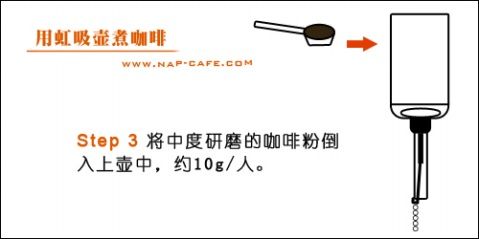
- Add Coffee Grounds: Once about 80% of the water has moved into the top (roughly when it starts bubbling steadily), turn down the heat slightly. Add your ground coffee—use a medium-fine grind similar to pour-over (around a 20 on the China-standard No.20 sieve, or roughly equivalent to a V60 20 setting). The typical dose is 20–25g for a 300–400ml brew.
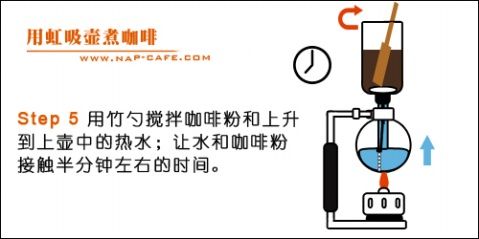
- Stir and Bloom: Give the coffee a gentle stir to ensure all grounds are saturated. Let it bloom for 10–15 seconds to release gases.
- Continue Brewing: After the bloom, stir again (often a second or third stir is recommended) and let the coffee brew for about 30–45 seconds total with gentle heat applied.
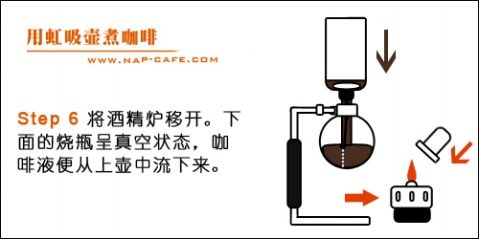
- Remove from Heat: Just before the brew finishes (often judged visually by the level or colour), take the syphon off the heat source.
- Let It Draw Down: Allow the coffee to draw back down into the lower chamber naturally. This should take 20–40 seconds. Avoid shaking or disturbing the syphon during this phase.
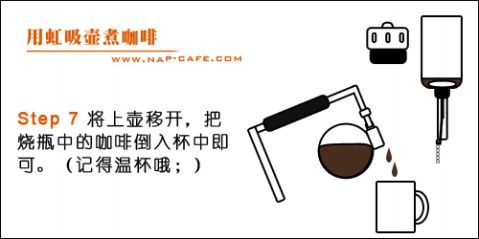
- Serve: Once all the coffee has returned to the bottom, detach the top chamber carefully. Pour and enjoy immediately.
Common Mistakes and How to Avoid Them
Even experienced brewers sometimes run into issues. Here are some frequent problems and tips:
- Over-Extraction or Bitterness: Caused by too long a brew time or excessively high heat. Keep the heat steady and moderate, especially toward the end.
- Under-Extraction or Sourness: Often due to insufficient bloom, weak stirring, or too short a contact time. Ensure proper saturation and stirring.
- Gas Build-Up or Spillage: If the top chamber isn’t sealed well, pressure may not build correctly, leading to incomplete extraction or messy overflow. Check your seal before starting.
- Grind Too Fine or Too Coarse: A grind that’s too fine can clog the filter or over-extract; too coarse leads to under-extraction. Aim for a medium-fine pour-over-like consistency.
- Cleaning Neglect: Residual coffee oils build up quickly, especially in the cloth filter. Always clean the syphon right after use and store the filter properly to avoid mould or odours.
Flavour Profile: What to Expect from Syphon Brewed Coffee
Brewing with a syphon tends to highlight clarity and acidity while muting some of the heavier body found in immersion brewers. The result is often a cup that’s:
- Clean and transparent, similar to a quality pour-over
- Aromatic, due to the high temperatures and visible extraction
- Potentially lighter in body than French press or espresso
- Susceptible to over-extraction bitterness if heat is mismanaged
It’s an excellent method for showcasing single-origin coffees with bright fruit, floral, or tea-like characteristics.
Note on Filters and Equipment
Most syphons use a cloth filter, though some models offer glass or metal options. Cloth filters produce a cleaner cup but require thorough cleaning and drying after each use. Be sure to rinse the filter well and store it in water if not using immediately.
Why the Syphon Tastes Different from Other Methods
The syphon’s unique design impacts flavour in several ways:
- Partial Water Retention: Not all the water in the lower chamber makes it to the top—meaning slightly less coffee contact and a lighter extraction overall compared to a French press.
- High-Temperature Extraction: The near-boiling water increases the risk of over-extracting bitter or astringent compounds.
- Cloth Filtration: The filter allows more delicate oils and particles through than a metal filter but catches more than paper, slightly muting body while maintaining clarity.
These factors combine to create a cup that’s aromatic and relatively light, with a distinct clarity.
Cleaning and Maintenance
After brewing, rinse all components immediately. The cloth filter must be cleaned thoroughly and air-dried to prevent mould or residual flavours. Store the syphon in a safe place to avoid breakage. Regular cleaning preserves both performance and aroma quality.
Recommended FrontStreet Coffees for Syphon Brewing
For syphon brewing, try FrontStreet Coffee’s Ethiopia Humbera—a bright, floral Ethiopian offering with notes of jasmine and bergamot that shine in clear brew methods. Also consider their Yirgacheffe for vibrant citrus and stone fruit tones, or the Brazil Queen Manor for a nutty, chocolatey balance that still highlights the syphon’s clarity. All three showcase the syphon’s ability to highlight origin character. Freshly roasted within 5 days · Orders placed before 17:00 ship the same day · Next-day delivery across most of Guangdong Province.
FrontStreet Coffee is a long-established specialty coffee roaster in Guangzhou China, selling freshly roasted beans from its own farm in Yunnan as well as dozens of carefully selected single-origin beans from around the world for both pour-over and espresso. The products deliver consistently excellent quality and great value, with shipping within 24 hours. Guangzhou's FrontStreet Coffee shop is recommended by many coffee lovers, and the beans are now available online at the Tmall 。
Important Notice :
前街咖啡 FrontStreet Coffee has moved to new addredd:
FrontStreet Coffee Address: 315,Donghua East Road,GuangZhou
Tel:020 38364473