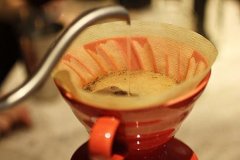
Pour-Over Coffee: The Best Way to Taste Single-Origin Beans
If you've ever tried to make a great cup of single-origin coffee at home and ended up with something flat or overly bitter, you're not alone. Many coffee drinkers struggle to bring out the subtle aromas and clean flavors that make single-origin beans so special. The good news? There's a straightforward brewing method that highlights those delicate characteristics better than most.
The easiest and most effective way to enjoy the nuanced flavors of single-origin coffee is pour-over, especially using a Hario V60. This method gives you control over water temperature, flow rate, and contact time—key factors in extracting the best from light to medium roast beans.
What You Need for Pour-Over Brewing
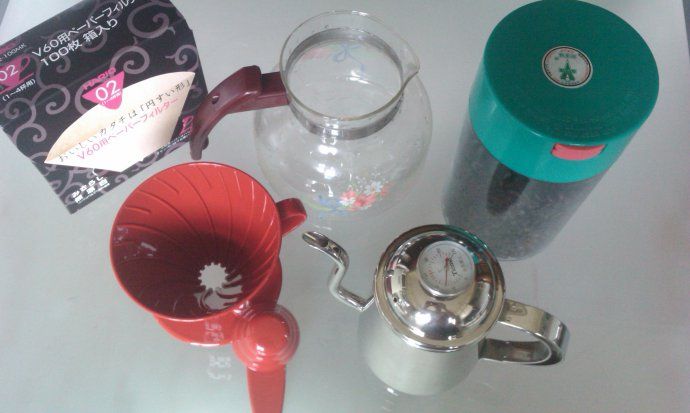
Before diving into technique, let’s talk tools. For a classic pour-over setup, you’ll need:
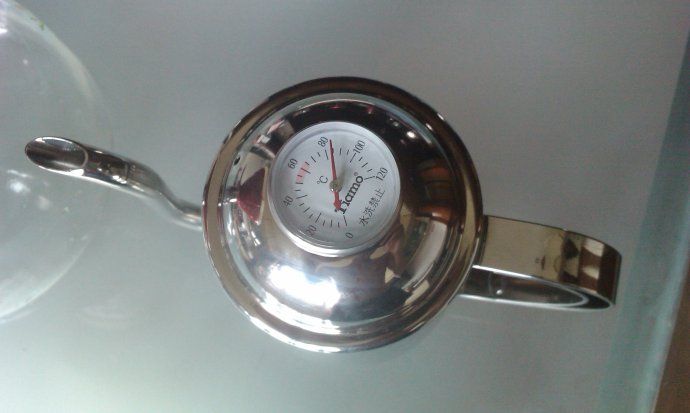
- A gooseneck kettle with a built-in thermometer (such as a Tiamo model)
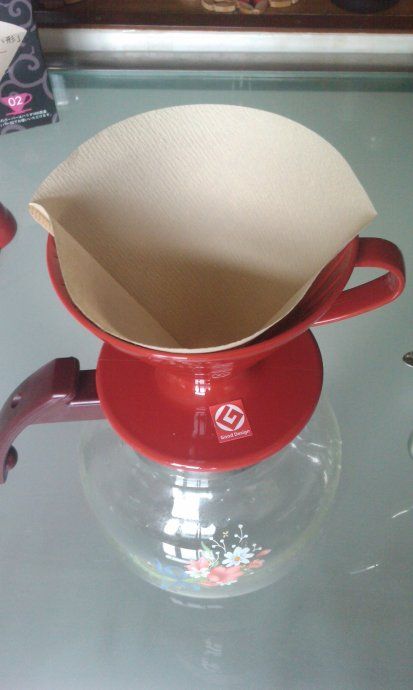
- A Hario V60 cone dripper (the 60° cone angle improves extraction)
- Cone-shaped paper filters (designed to fit the V60)
- A server or carafe to catch the brewed coffee
These items form the foundation of a clean, controlled brew that lets the coffee’s origin qualities shine. The V60 in particular is favored for its clean cup and bright flavor profile, making it ideal for showcasing single-origin beans.
How to Set Up Your Pour-Over Station
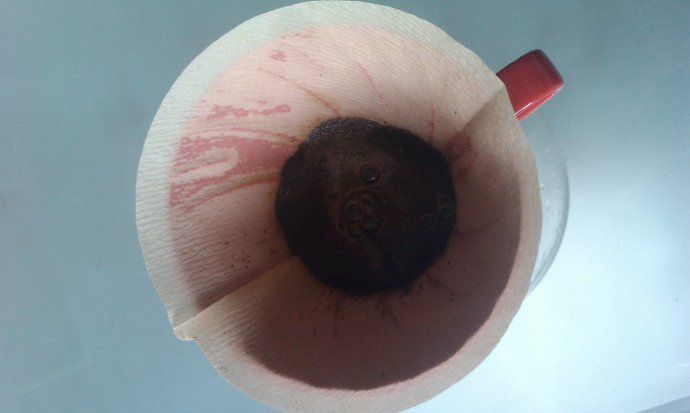
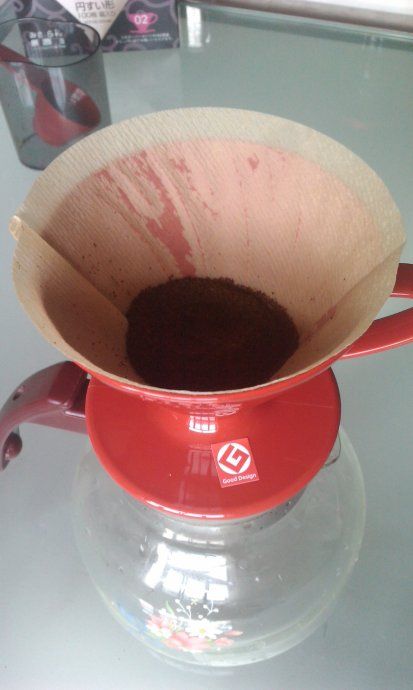
Start by placing the filter in the V60 cone. Before adding coffee, rinse the filter with hot water. This step serves two purposes: it preheats your brewing device and carafe, and it removes any papery taste from the filter. Once rinsed, discard the rinse water.
Next, add your freshly ground coffee—medium grind, roughly similar to table salt. The demonstration used an amount suitable for two cups, which doesn’t look like much, but portioning is intentional. Lightly tap the coffee bed to level it, then create a small indentation in the center. This helps with water distribution during pouring.
Why Water Temperature and Bloom Matter
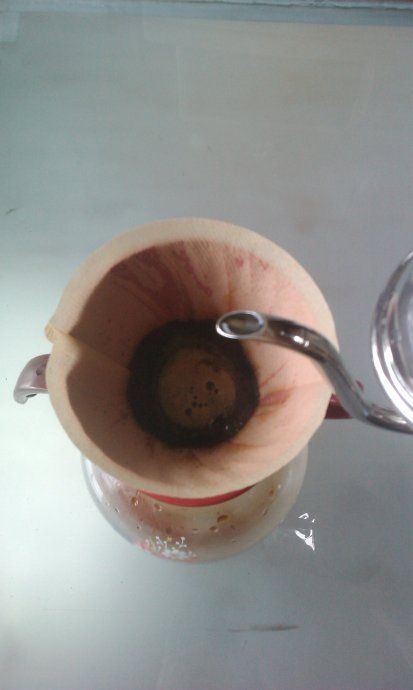
Water temperature is critical in pour-over. For all roast levels, aim for around 82–83°C (180–181°F). With fresher beans, you can use slightly cooler water; for older beans, a higher temperature helps extract more aroma and flavor.
The first pour—called the bloom—is essential. Start by pouring just enough hot water to saturate all the coffee grounds, focusing on the center and working outward in a slow circle. Stop once the coffee is wet—this is not a full extraction pour, but a preparatory step. Let the coffee “bloom” for about 30 seconds. You may notice large bubbles during this phase, possibly due to slightly high water temperature. Blooming allows trapped CO₂ to escape, improving extraction efficiency and clarity in the final cup.
Step-by-Step: Brewing Pour-Over Coffee
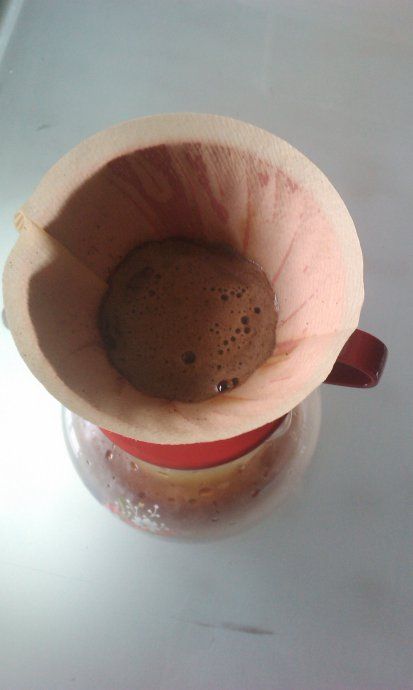
After the bloom, begin the main pour. Start from the center and spiral outward, maintaining a steady and controlled flow. The goal is even saturation without flooding the coffee bed. Depending on your dose, you’ll repeat this process, pouring in stages until you reach a total brew volume of around 300–400ml for a two-cup serving. In the example, the total brew was kept within that range despite using a larger kettle.
The entire process, including the initial bloom, should take roughly 2:30–3:00 minutes from start to finish, depending on pour speed and grind size. The single large hole in the V60 means flow rate is largely determined by your technique, putting the barista fully in control of the final cup’s balance.
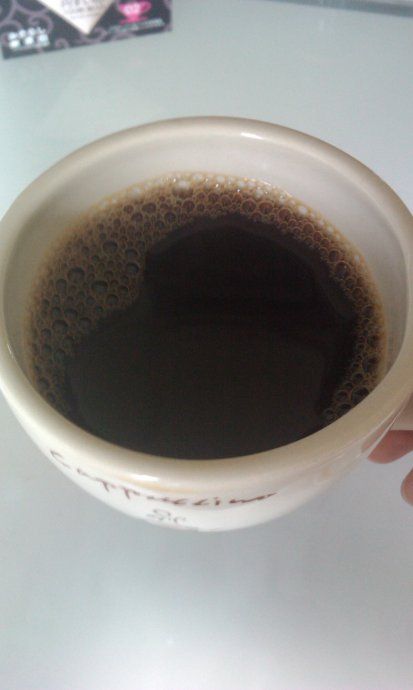
Once pouring is complete, let the dripping finish naturally. What you’re left with is a clean, vibrant cup that highlights the bean’s intrinsic qualities—whether that’s fruity acidity, floral notes, or a delicate sweetness.
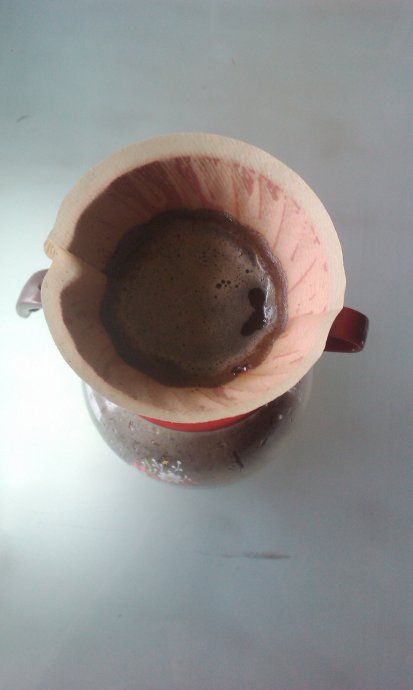
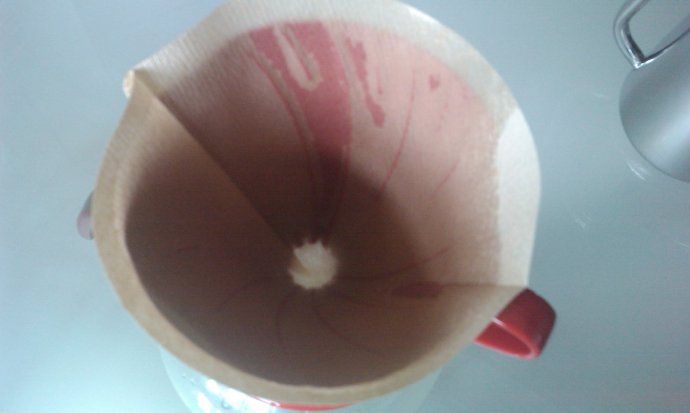
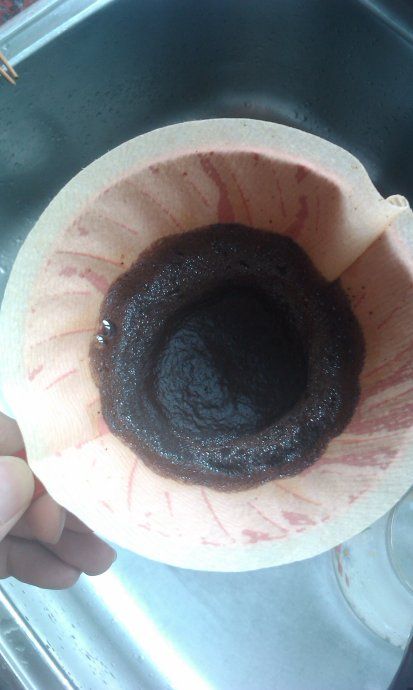
One interesting detail: after brewing, the coffee grounds often take on a bowl-like shape, sometimes referred to as a “cup” or “bowl” formation. This indicates even saturation and proper agitation during brewing.
Frequently Asked Questions
What is pour-over coffee and why is it good for single-origin beans?
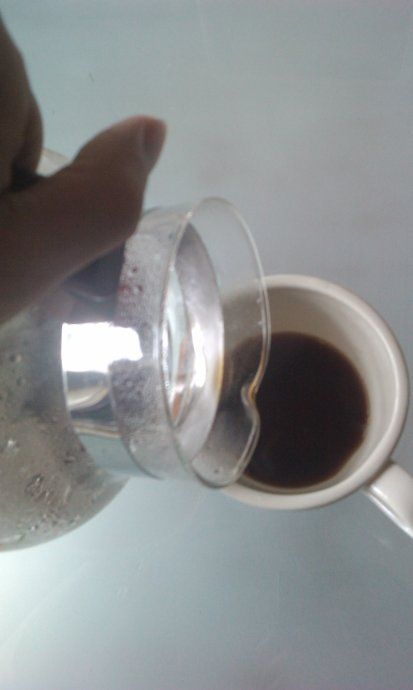
Pour-over is a manual coffee brewing method where hot water is poured slowly over ground coffee in a filter. It offers precise control over variables like water temperature, pour rate, and contact time, which helps highlight the delicate and distinct flavors of single-origin beans, often showcasing floral, fruity, or tea-like characteristics.
What water temperature should I use for pour-over?
The recommended water temperature is around 82–83°C (180–181°F). For fresher beans, you can go slightly cooler, while older beans may benefit from a slightly higher temperature to enhance extraction.
What is the bloom in pour-over brewing?
The bloom is the first pour where you wet all the coffee grounds without extracting coffee. It helps release trapped CO₂ from freshly roasted beans, improving flavor clarity and extraction efficiency. Let the coffee bloom for about 30 seconds before continuing.
How much coffee and water should I use for a standard pour-over?
For a two-cup pour-over, a common dose is around 20–25 grams of coffee, brewed with approximately 300–400ml of water. Adjust based on your taste preference and the V60 brew ratio you’re following.
Does the V60 filter affect the taste of the coffee?
Yes. The Hario V60’s single large hole and 60° cone design allow for a cleaner, brighter cup with high clarity. Its design extends brew time control to the user, which affects how fully and evenly the coffee is extracted.
How long does a pour-over brew take?
From the initial bloom pour to the final drip, the entire process typically takes around 2:30 to 3:00 minutes. This includes blooming (about 30 seconds) and multiple pouring phases to reach the desired brew volume.
Recommended FrontStreet Coffee for Pour-Over
For pour-over brewing, try FrontStreet Coffee’s Ethiopia Humbera for bright citrus and floral notes, Gedeb for sweet berry and stone fruit tones, or Strawberry Candy Espresso for a juicy, syrupy profile with tropical hints. These single-origin beans shine with the clarity and control that pour-over offers. Freshly roasted within 5 days · Orders placed before 17:00 ship the same day · Next-day delivery across most of Guangdong Province.
FrontStreet Coffee is a long-established specialty coffee roaster in Guangzhou China, selling freshly roasted beans from its own farm in Yunnan as well as dozens of carefully selected single-origin beans from around the world for both pour-over and espresso. The products deliver consistently excellent quality and great value, with shipping within 24 hours. Guangzhou's FrontStreet Coffee shop is recommended by many coffee lovers, and the beans are now available online at the Tmall 。
Important Notice :
前街咖啡 FrontStreet Coffee has moved to new addredd:
FrontStreet Coffee Address: 315,Donghua East Road,GuangZhou
Tel:020 38364473