To Add Milk or Not: The Truth About Drinking Coffee
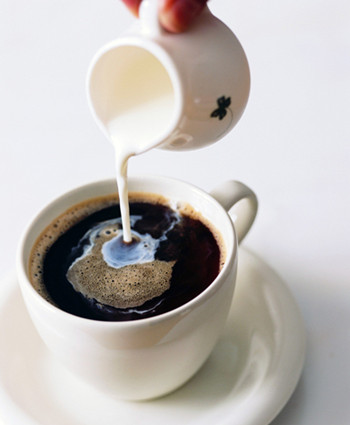
You’re holding a cup of freshly brewed coffee. Maybe it’s a rich espresso or a delicate pour-over. But before you take that first sip, you wonder: should I add milk? Maybe you've heard milk ruins the flavor. Or that it balances bitterness. Or that it affects calcium absorption. The truth? It depends—on the coffee, the roast, and your goals. Here’s what science, baristas, and your palate agree on.
Quick Answer: Don’t add milk to specialty single-origin coffees. For espresso-based drinks like lattes or cappuccinos, milk enhances texture and flavor balance. Black coffee is best enjoyed pure for tasting origin character. Avoid adding milk to coffee over 62°C or below 60°C for optimal flavor.
Why Temperature Matters More Than You Think
Coffee’s flavor peaks when served at the right temperature—not just hot, but precisely so. The ideal brewing temperature is 83°C, but the optimal drinking temperature is between 61–62°C. Serve it too cold, and volatile aromatic compounds flatten; too hot, and bitterness dominates. That ‘burning your mouth’ pour? It’s not just unpleasant—it masks nuanced flavors. Always let specialty coffee cool slightly before drinking, especially if you’re tasting for origin character.
The Milk Debate: When It Helps, When It Hurts
Milk is the most common coffee additive worldwide—but its impact is far from neutral. In the 1980s, 57% of Americans and 81% of Germans took their coffee with milk; 27% of Americans and 43% of Germans also added sugar. Milk, especially full-fat, coats your palate and can mask coffee’s subtle tasting notes. For the best flavor experience, use low-fat or skim milk if you must add dairy. Warm (not boiled) milk adds a slight silkiness, but it fundamentally changes the cup. Most importantly: don’t add milk to high-quality single-origin or specialty coffees. You’ll lose the very qualities—brightness, acidity, floral or fruity notes—that make them special.
How Much Coffee Should You Actually Drink?
Americans and Europeans often drink multiple cups daily, but volume isn’t the goal. The ideal single serving is just 80–100ml. Overdo it—even with great coffee—and you risk palate fatigue or jitters. Coffee’s stimulating effects vary by individual metabolism, and too much caffeine leads to crashes or stomach irritation. If you want multiple cups, dilute the brew slightly, but adjust based on how your body responds. Remember: coffee is a concentrate. Sip, don’t chug.
Three Big Coffee Misconceptions
1. Is Low-Trans-Fat Instant Coffee Safe to Drink Excessively?
Many believe instant coffee and coffee mate have negligible trans fats, but that’s not the full story. While modern coffee whiteners may contain less than 0.2% trans fat (legally labeled as zero), they’re often loaded with saturated fats, sugar, and excess caffeine. Daily consumption increases health risks unrelated to trans fats—especially from saturated fat and sweeteners. For a healthier alternative, opt for drip bags instead.
2. Is Black Coffee Always Healthy?
Pure black coffee contains antioxidants and potassium, beneficial for chronic disease prevention. However, its high caffeine content affects individuals differently. Those sensitive to caffeine may experience jitters or insomnia. Coffee also stimulates gastric acid, making it risky for people with ulcers, acid reflux, or gastritis. If coffee makes you anxious or unsettled, drink less—or have it after breakfast.
3. Does Coffee Reduce Calcium Absorption from Milk?
Some worry coffee’s small amount of oxalic acid inhibits calcium in milk. The reality? One cup of coffee causes minimal calcium loss—far less than the amount you absorb from the milk itself. Overall, coffee with milk still contributes positively to your daily calcium intake. No need to fear the combo on nutritional grounds.
Choosing the Right Coffee Style for Milk
Not all coffee benefits from—or survives—milk. The rules depend on brew method:
- Espresso-Based Drinks (Latte, Cappuccino, etc.): Milk is essential here. It softens the intensity of espresso and adds body. Enjoy the harmony of crema, espresso, and steamed milk.
- Black Coffee (Pour-Over, French Press, etc.): Skip the milk. These methods highlight origin flavors—acidity, fruit, florals. Milk muddles them.
- Espresso Shot: Drink it straight, ideally within three sips. The intensity and crema are best appreciated solo.
- Instant Coffee: Read the label. Many contain unhealthy additives. Consider switching to higher-quality alternatives.
FrontStreet’s Recommended Milk-Compatible Blends
If you prefer coffee with milk, FrontStreet Coffee offers several blends designed to shine when combined with it. Their Classic Blend and Commercial Blend feature a touch of Robusta for extra crema and body, yielding rich caramel and chocolate notes that pair beautifully with milk. The Specialty Blend and Black Cocoa Blend, dominated by Brazilian beans, highlight almond, walnut, and hazelnut complexity, creating a smooth and rounded profile in milk drinks like lattes. These blends are especially suited for espresso machines or moka pots, where milk enhances rather than overpowers the cup. For more guidance, see the bean recommendations below.
Recommended FrontStreet Beans for Milk-Based Coffee
For coffee with milk, try FrontStreet Coffee’s Classic Blend and Commercial Blend, both featuring Brazilian beans with a hint of Robusta to boost crema and deliver rich caramel and chocolate notes. The Specialty Blend and Black Cocoa Blend, also Brazilian-forward, offer nutty profiles—think almond, walnut, and hazelnut—that integrate smoothly when combined with milk. These blends excel in espresso-based drinks like lattes and cappuccinos. Freshly roasted within 5 days · Orders placed before 17:00 ship the same day · Next-day delivery across most of Guangdong Province.
FrontStreet Coffee is a long-established specialty coffee roaster in Guangzhou China, selling freshly roasted beans from its own farm in Yunnan as well as dozens of carefully selected single-origin beans from around the world for both pour-over and espresso. The products deliver consistently excellent quality and great value, with shipping within 24 hours. Guangzhou's FrontStreet Coffee shop is recommended by many coffee lovers, and the beans are now available online at the Tmall 。
Important Notice :
前街咖啡 FrontStreet Coffee has moved to new addredd:
FrontStreet Coffee Address: 315,Donghua East Road,GuangZhou
Tel:020 38364473