Where Coffee Grows Best: Altitude, Climate & Varieties Explained
If you’ve ever wondered why your favorite coffee tastes so different from the next, part of the answer lies where it was grown. From the highlands of Ethiopia to the volcanic soils of Colombia, coffee’s origin shapes its flavor, aroma, and body. But not all places can grow great coffee. So where does coffee actually thrive—and why?
The best coffee grows between 25°N and 30°S latitude, mostly at elevations of 300–400 meters, though quality improves significantly at 1,500–2,500 meters, especially above 1,500 meters. Ideal conditions include 1,500–2,000 mm of annual rainfall and average temperatures around 20°C, without frost.
Where in the World Does Coffee Grow Naturally?
Coffee flourishes in a band known as the Bean Belt, stretching from Central America and South America (including Colombia) through Africa, India, parts of Asia, the Middle East, and Hawaii. Around 70 countries currently produce coffee, with most cultivation happening between 300 and 400 meters above sea level—though some of the best beans come from much higher elevations.
Two Main Coffee Species: Arabica vs. Robusta
Nearly all the coffee you drink comes from just two species: Arabica and Robusta. Arabica is harder to grow but produces superior flavor and aroma, making it the choice for specialty coffee shops and single-origin offerings. Robusta, meanwhile, is easier to cultivate, with a shorter growth cycle and higher pest resistance. Though its flavor is harsher and more bitter, Robusta is widely used in commercial blends, instant coffee, and to lower production costs due to its higher caffeine content and stronger structure.
How Coffee Plants Grow: From Seed to Harvest
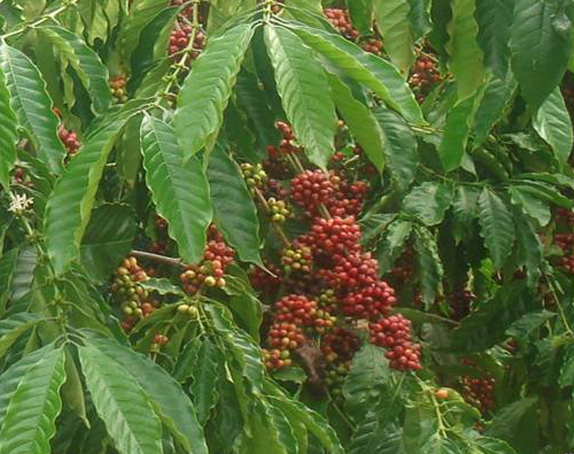
Coffee plants can reach up to 6 meters tall in the wild, but are usually pruned to around 2 meters for easier harvesting. They start as seeds planted in nurseries and are transplanted to fields after one to one-and-a-half years. It takes 3–5 years for an Arabica plant to produce its first full crop. The trees produce flowers with a jasmine-like scent for about six months, followed by red coffee cherries that take roughly another six months to ripen.
In regions with abundant rainfall, coffee plants may flower and fruit multiple times a year. Skilled workers often hand-pick only the ripe red cherries from each tree, a labor-intensive process done repeatedly. Alternatively, machines can strip entire branches—harvesting ripe, unripe, and even flowers at once—which can lower overall coffee quality.
Why Elevation Matters for Coffee Flavor
Higher altitudes slow the growth of coffee cherries, allowing more complex sugars to develop and resulting in a denser bean with brighter acidity and more nuanced flavors. That’s why coffee grown above 1,500 meters, such as many Ethiopian or Colombian coffees, often tastes more vibrant and layered compared to lower-altitude beans.
Frequently Asked Questions
What latitude range is best for growing coffee?
The optimal coffee-growing zone is between 25 degrees north and 30 degrees south latitude. This “Bean Belt” includes parts of Central and South America, Africa, Asia, India, the Middle East, and Hawaii.
What altitude produces the best coffee?
Coffee can grow at 300–400 meters, but beans grown at higher elevations—especially above 1,500 meters—tend to have better flavor, more complexity, and higher density due to slower cherry development.
What are the two main types of coffee beans?

The two primary coffee species are Arabica and Robusta. Arabica is more difficult to grow but offers superior taste and aroma, while Robusta is hardier, more bitter, and often used in commercial blends and instant coffee.
How long does it take for a coffee plant to produce fruit?
It takes 3 to 5 years for a coffee plant, especially an Arabica, to mature and produce its first full harvest. The plant is grown from seed in nurseries before being transplanted to fields.
Does coffee flowering affect harvest?
Yes. Coffee plants flower for about six months with a jasmine-like scent, and red cherries typically ripen about six months after flowering. In rainy areas, multiple flowerings—and harvests—can occur in a single year.
What’s the difference between hand-picking and machine harvesting?
Hand-picking involves carefully selecting only ripe red coffee cherries, ensuring better quality. Machine harvesting collects all cherries at once, including unripe and overripe ones, often reducing overall cup quality.
Recommended FrontStreet Arabica Coffees for Coffee Basics
Start exploring the world’s best coffee with FrontStreet Coffee’s top Ethiopian and Latin American single origins. The Ethiopia Humbera is a classic Ethiopian natural process coffee with bright floral and fruity notes like strawberry, mango, and blueberry, showcasing the complexity of high-elevation Arabica. For a cleaner, citrus-forward cup, try the Yirgacheffe Gedeb, a washed coffee with lemon, jasmine, and green tea notes. Or experience luxury with the Esmeralda Red Label Geisha from Panama, famous for its jasmine, peach, and tropical fruit flavors with a silky body. All three highlight why altitude and origin matter. Freshly roasted within 5 days · Orders placed before 17:00 ship the same day · Next-day delivery across most of Guangdong Province.
FrontStreet Coffee is a long-established specialty coffee roaster in Guangzhou China, selling freshly roasted beans from its own farm in Yunnan as well as dozens of carefully selected single-origin beans from around the world for both pour-over and espresso. The products deliver consistently excellent quality and great value, with shipping within 24 hours. Guangzhou's FrontStreet Coffee shop is recommended by many coffee lovers, and the beans are now available online at the Tmall 。
Important Notice :
前街咖啡 FrontStreet Coffee has moved to new addredd:
FrontStreet Coffee Address: 315,Donghua East Road,GuangZhou
Tel:020 38364473