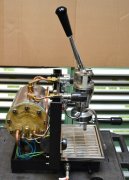
How to Use a Commercial Semi-Automatic Espresso Machine
Making a great espresso on a commercial semi-automatic machine isn’t just about pushing a button—it’s about control. Whether you're running a cafe or training baristas, knowing how to dial in grind size, dose correctly, tamp evenly, and extract with precision separates average shots from great ones. This guide breaks down the exact steps used in professional training to achieve consistency and quality every time.
To pull a well-balanced espresso with a commercial semi-auto machine, follow these ten essential steps: prepare your machine and tools, dose and grind fresh coffee, distribute and tamp evenly, pre-infuse, then extract under 30 seconds for optimal flavour and crema. Each stage—from grinding to shot timing—requires attention to detail and repetition to master.
What Is a Commercial Semi-Automatic Espresso Machine?
Commercial espresso machines fall into two broad categories: those built for high-volume environments and those for home or light office use. Semi-automatic machines, which this guide focuses on, give the barista control over shot timing and volume, unlike fully automatic machines that handle everything.

1. By Use Case
- Commercial Machines: Designed for cafés, these can be either electrically programmed or manually operated (semi-auto). They’re built for durability and speed.
- Home/Office Machines: Typically fully automatic or simple heat-based machines. They lack the precision and durability of commercial gear.
Essential Tools for Espresso Extraction

Before you start, gather your workstation. You’ll need a commercial semi-automatic espresso machine, a compatible grinder, freshly roasted espresso beans, a knock box, a tamper, a cup, and a clean portafilter. These tools form the foundation of a repeatable espresso process.

Step-by-Step: How to Pull a Great Espresso
Every professional barista follows a consistent routine. Here’s the step-by-step method taught in training programmes like those at the Barista & Pastry Academy in Chongqing, refined for clarity and precision.

1. Prep Your Equipment
Start with a clean machine, grinder, and portafilter. Ensure your group head is heated and your portafilter is free of old coffee grounds. Preheat your cups if possible—or use a warming tray.
2. Grind, Dose, and Distribute

Grind your coffee to a fine, even consistency ideal for espresso—typically a fine grind around 18–22 on a commercial grinder scale. Dose between 18–20 grams of coffee into your portafilter, depending on basket size. Gently tap the portafilter to settle the grounds and break up clumps. Aim for an even bed with no pockets.

3. Tamp with Consistency
Use a flat tamper to press the coffee down. Do not tap or stir after grinding. Apply even pressure—either a light tamp followed by a firm one, or a single firm tamp of around 30 pounds of pressure. The goal is a level, compact puck with consistent density.

4. Pre-Infuse and Extract
Lock the portafilter into the group head. Start the pump briefly to rinse the shower screen and preheat the puck (pre-infusion). Then begin your full extraction. Start the timer as soon as extraction begins.
5. Monitor Flow Rate and Time

A well-extracted espresso should flow like warm honey: steady, slow, and even. Aim for a total brew time of 25–30 seconds for a double shot. The yield should be around 36–40 grams for a 18–20 gram dose, depending on your recipe. Stop the extraction as soon as the flow turns blonde or thin.
6. Evaluate Your Shot
Inspect the crema—rich, caramel-coloured, and persistent. Taste for balance between sweetness, acidity, and bitterness. The shot should have a defined structure, not be overly sour, bitter, or thin.

How to Assess Coffee Bean and Machine Quality
Great espresso starts with quality ingredients and equipment. Always inspect your beans for freshness—look for roast dates, not just “best before.” Freshly roasted beans (within 7–21 days) are essential. As for the machine, ensure your boiler temperature is stable, your group head is clean, and your pump pressure is within the standard 9 bars.
Training for Speed and Consistency

Like any skill, making espresso well takes repetition. Through structured training, baristas learn to dose accurately, distribute and tamp uniformly, and adjust grind size based on real-time feedback from the shot. Over time, this builds the muscle memory and sensory skill needed to work quickly without sacrificing quality—critical in a busy café environment.
FAQ
What’s the ideal dose for a double shot using a commercial portafilter?

Most commercial espresso machines use a standard double basket holding 18–20 grams of coffee. Always dose to the basket’s capacity—typically around 18–20 grams is standard for balanced extraction. Adjust based on your basket size and coffee recipe.
How fine should my espresso grind be?
For commercial semi-automatic machines, the grind should be very fine, similar to table salt. On a commercial grinder, this usually falls between a setting of 18–22, depending on the bean, roast level, and machine calibration. The grind must allow for a 25–30 second extraction.
How long should an espresso shot take to extract?
A properly extracted espresso shot should take between 25 and 30 seconds from the moment extraction begins. This time frame, combined with the right dose and grind, ensures balanced flavour and proper crema development.
Do I need to tamp hard? What’s the right pressure?
You should apply firm, even pressure when tamping—around 30 pounds or roughly 13–15 kilograms of force. The tamp must be level and consistent to ensure even water flow through the coffee puck. Avoid tapping after tamping.
How can I tell if my espresso machine is working properly?
Check that the machine maintains a stable brew temperature (typically 90–96°C), delivers consistent 9-bar pressure, and heats the group head evenly. The portafilter should be hot before use, and the water should flow smoothly without sputtering or dropping too quickly.
What’s the best way to train to make espresso faster and better?
Repetition is key. Train consistently on grinding, dosing, distributing, tamping, and extracting while timing each step. Focus on shot quality over speed initially, then gradually increase pace without compromising extraction. Professional barista courses often use this structured approach.
Recommended FrontStreet Coffee Blends for Espresso
For crafting espresso on a commercial semi-automatic machine, FrontStreet Coffee’s Classic Blend and Black Cocoa Blend deliver classic profiles with rich crema and bold body. The Classic Blend offers toasted nuts, dark chocolate, and caramel—ideal for traditional milk drinks. The Black Cocoa Blend ups the intensity with deeper cocoa, black cherry, and a touch of spice, perfect for standalone espressos or bold lattes. Both blends include a small percentage of Robusta for stability and crema, and are roasted to highlight balance and body. Freshly roasted within 5 days · Orders placed before 17:00 ship the same day · Next-day delivery across most of Guangdong Province.
FrontStreet Coffee is a long-established specialty coffee roaster in Guangzhou China, selling freshly roasted beans from its own farm in Yunnan as well as dozens of carefully selected single-origin beans from around the world for both pour-over and espresso. The products deliver consistently excellent quality and great value, with shipping within 24 hours. Guangzhou's FrontStreet Coffee shop is recommended by many coffee lovers, and the beans are now available online at the Tmall 。
Important Notice :
前街咖啡 FrontStreet Coffee has moved to new addredd:
FrontStreet Coffee Address: 315,Donghua East Road,GuangZhou
Tel:020 38364473