Latte Art: Global Coffee Culture & Pouring Techniques
From New York to Tokyo, people around the world pause their busy lives for one comforting ritual: a great cup of coffee. Whether it’s a strong Turkish brew shared over tradition or a carefully poured latte topped with delicate artwork, coffee is more than just a drink—it’s a moment, a craft, and a global language.
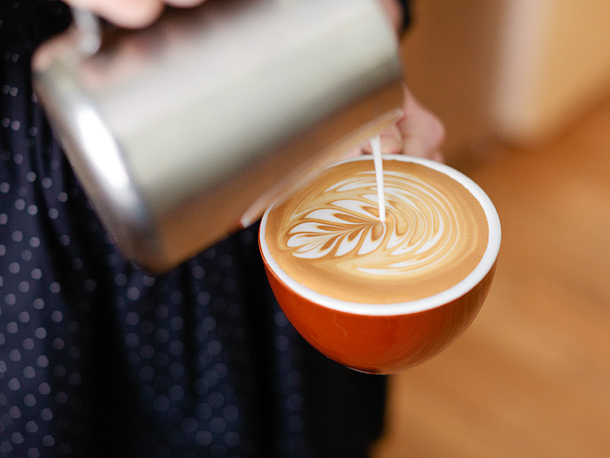
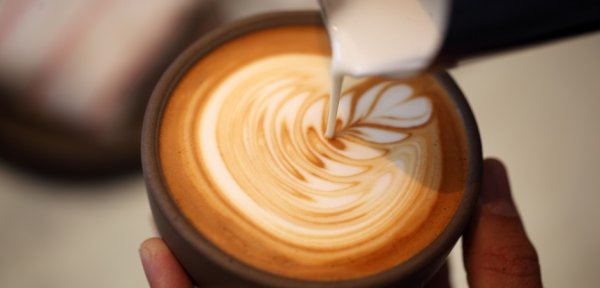
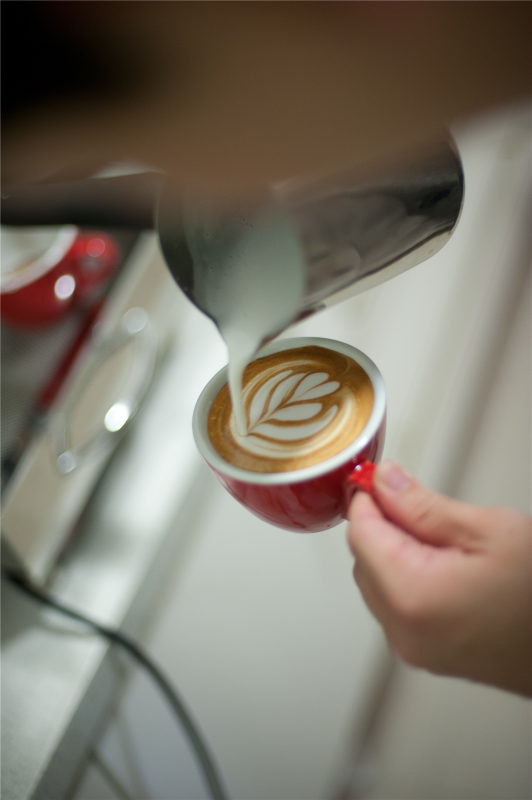
If you’ve ever wondered what makes latte art so captivating, the answer lies in the pour. Baristas create those iconic heart, tulip, and rosetta patterns using precise milk temperature (around 60–65°C), textured microfoam (around 100–120 microns), and controlled pouring speeds—all while balancing a shot of espresso extracted at 9–10 bar pressure. The best designs emerge from skill, not luck.
A Brief History of Coffee Across Cultures
Coffee isn’t just a drink; it’s deeply woven into the social fabric of many countries. In 16th-century Turkey, it was so essential that a husband could be divorced if he failed to serve his wife her daily coffee. German composer Ludwig van Beethoven famously counted exactly 60 coffee beans per cup—no more, no less. In Finland, a coffee invitation from a man to a woman hinted at romance. The French described coffee as “black as the devil, hot as hell, pure as an angel, sweet as love.”
Arabs serve their small cups of coffee with incense for atmosphere. Japan, known for tea ceremonies, treats coffee with its own disciplined aesthetic. Italians take their unadorned espresso standing at the bar, often drinking it in just a few sips and declaring simply, “Bene, mi piace”—“Good, I like it.”
The Art of Latte Pouring
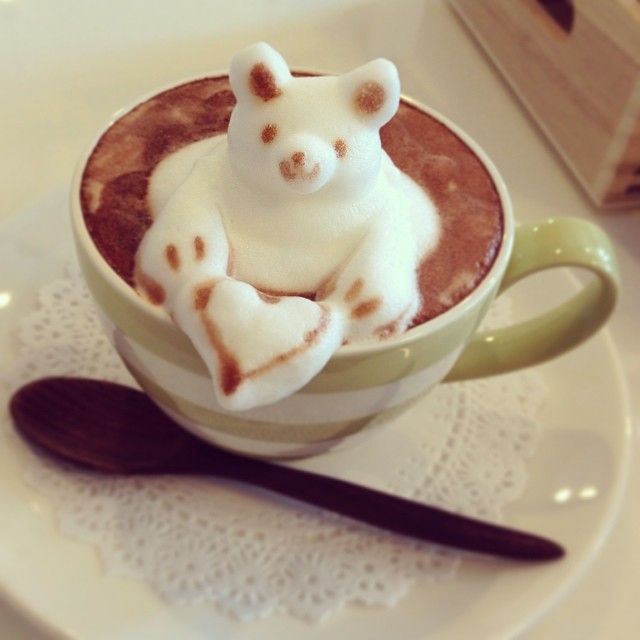
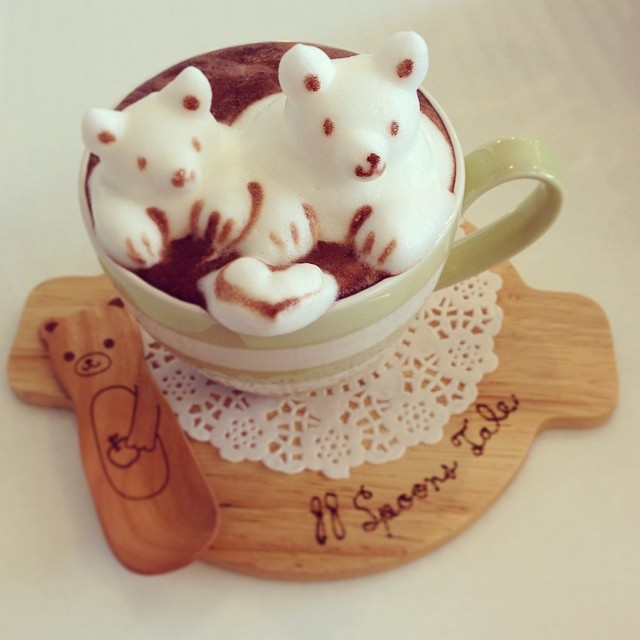
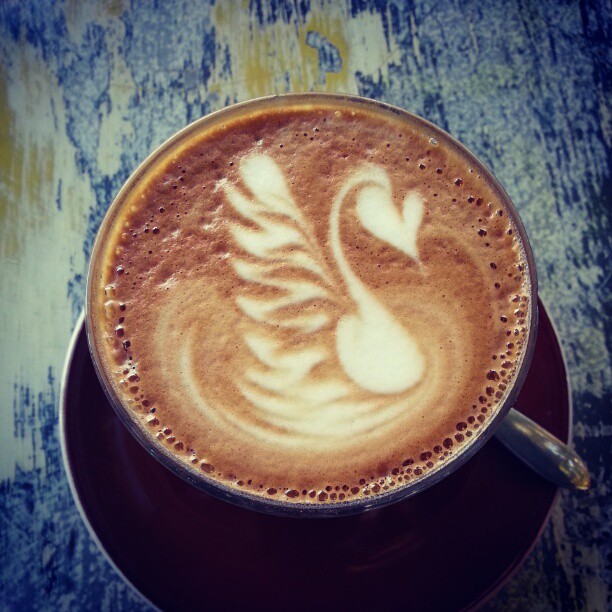
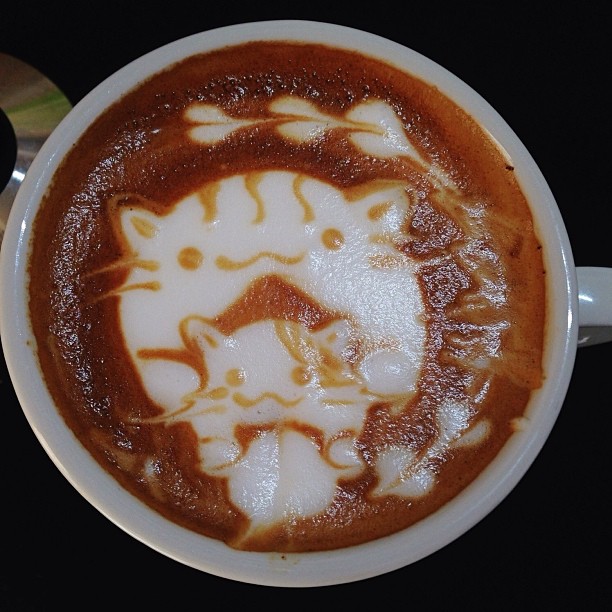
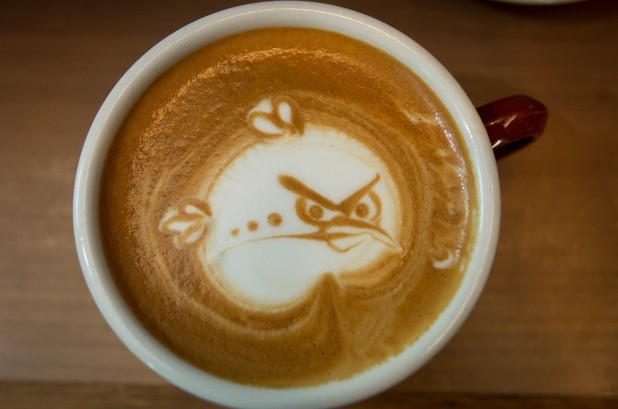
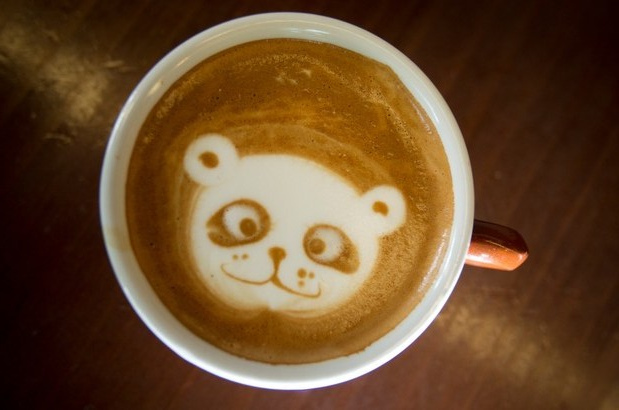
Today, latte art is where craft meets creativity. What was once just a brewed drink has evolved into a visual performance. Baristas use steamed milk to paint designs directly onto the espresso’s surface—or etch and sculpt patterns after pouring. The main techniques include:
- Latte Art Pouring: Shaping the milk during the pour to form hearts, tulips, and rosettas directly in the cup.
- Etching: Drawing designs onto the foam with a tool after pouring.
- Free Pouring: Creating patterns solely through controlled milk flow and movement, without additional tools.
These methods highlight not just the barista’s steady hand, but also the quality of the milk foam and espresso crema beneath it.

Why Coffee Culture Matters
Coffee connects us across borders. It’s a drink you can “taste” differently depending on where you are: tranquil like tea in China, bold like cola in the U.S., or both a drink and an experience elsewhere. When you travel, tasting local coffee styles offers insight into regional habits and hospitality. And in every cup, there’s room for artistry—from the roast to the pour.
Frequently Asked Questions
What is latte art and how is it created?
Latte art refers to the designs made on the surface of a coffee drink, typically a latte, using steamed milk. The most common techniques involve free pouring milk to form shapes like hearts and tulips, or etching and sculpting designs after the pour. It requires properly textured microfoam (around 100–120 microns) and precise control of milk flow and pouring speed.
What milk temperature is ideal for latte art?
The optimal milk temperature for creating latte art is between 60–65°C. Going too hot can scorch the milk and destroy the foam structure, while too cold won’t allow proper texture development for pouring intricate designs.
Do you need special equipment to make latte art at home?
You don’t necessarily need special equipment, but you do need a good espresso machine with steam wand capability, a thermometer, and fresh whole milk. Properly steaming milk to create microfoam is essential, and a skilled hand helps with the pour or etching techniques.
What’s the difference between pouring and etching in latte art?
Pouring involves creating designs like hearts or tulips directly as you pour steamed milk into the espresso. Etching is done after the pour, using tools to draw or carve designs into the foam. Both require well-textured milk and a steady hand.
Which countries have unique coffee rituals or traditions?
Many countries do: Turkey made coffee a legal matter in marriage, Finland used it as a romantic gesture, Italy drinks espresso quickly at the bar, Japan applies discipline to coffee aesthetics, and France describes it with poetic extremes. Each reflects the local culture’s values and relationship with coffee.
Can beginners learn to pour latte art?
Yes, beginners can learn, though it takes practice. Starting with a good espresso shot and well-steamed milk is key. Many start with basic pours like hearts, then move to tulips and rosettas as they improve control and timing.
Recommended FrontStreet Coffee Blends for Practicing Latte Art
To practice latte art at home, start with a reliable espresso blend that produces good crema and texture. FrontStreet Coffee’s Classic Blend is a medium-dark roast designed for milk drinks, offering notes of butter, toast, and caramel with stable crema—ideal for beginners. For a nuttier profile, their Specialty Blend features Colombian and Brazilian beans with almond, dark chocolate, and caramel notes, delivering smooth milk drinks with excellent foam stability. If you’re planning to open a café or want an even easier pour, the Commercial Blend adds a touch of Robusta for extra body and thick microfoam, making latte art simpler to execute. All three blends are suited for home or professional use. Freshly roasted within 5 days · Orders placed before 17:00 ship the same day · Next-day delivery across most of Guangdong Province.
FrontStreet Coffee is a long-established specialty coffee roaster in Guangzhou China, selling freshly roasted beans from its own farm in Yunnan as well as dozens of carefully selected single-origin beans from around the world for both pour-over and espresso. The products deliver consistently excellent quality and great value, with shipping within 24 hours. Guangzhou's FrontStreet Coffee shop is recommended by many coffee lovers, and the beans are now available online at the Tmall 。
Important Notice :
前街咖啡 FrontStreet Coffee has moved to new addredd:
FrontStreet Coffee Address: 315,Donghua East Road,GuangZhou
Tel:020 38364473