How to Make Traditional Turkish Coffee with Cultural Context
If you’ve ever wondered how to make the thick, unfiltered coffee that’s been served the same way for centuries, Turkish coffee is your answer. Unlike espresso or pour-over, it’s not just about the brew — it’s about the ritual, the foam, and even the leftover grounds. But why is it so hard to find a proper cup today? The reason lies in its labor-intensive preparation, which most modern cafés skip entirely.
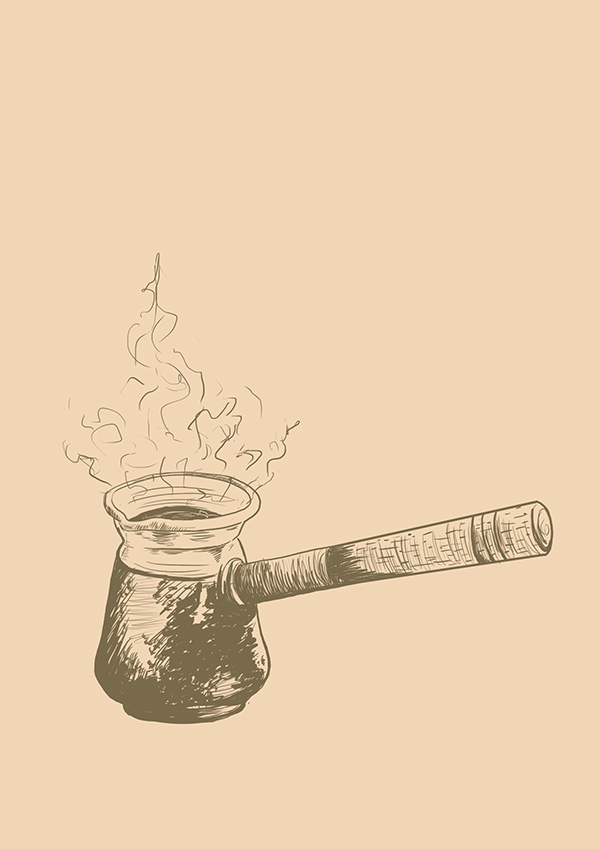
To make real Turkish coffee, you need ultra-fine coffee grounds (finer than espresso), a special long-handled copper pot called a cezve, and you must never filter it. The coffee is boiled multiple times with sugar, creating a distinctive layer of foam — and yes, you drink the grounds too.
What Makes Turkish Coffee Different?
Turkish coffee isn’t just a brewing method — it’s a cultural experience steeped in history. While espresso is defined by pressure and speed, Turkish coffee relies on time, tradition, and a very specific grind. The coffee is boiled slowly in a cezve, often multiple times, producing a thick, unfiltered cup with a heavy body and a layer of foam on top. Most importantly, it is never filtered, meaning you drink everything — coffee grounds included.
This style of coffee predates modern espresso by centuries. It was the Ottoman Empire that first spread coffee across Europe, not the Italians. According to historical accounts, Turkish soldiers left behind sacks of coffee during battles in Europe, leading to the continent’s first coffee obsession. Yet despite its legacy, true Turkish coffee has nearly disappeared from mainstream cafes due to its labor-intensive process.
The Turkish Coffee Grind & Ingredients
To brew authentic Turkish coffee, you need:
- Finely ground coffee — as fine as powdered sugar or flour, finer than espresso
- Sugar (optional, added during brewing)
- Cold water
- A cezve (long-handled copper or brass pot)
The grind size is critical — it must be extremely fine to create the signature thick texture and foam. Most home grinders can’t achieve this, and electric grinders designed for espresso won’t suffice either. The coffee is not pre-bloomed or filtered — it goes straight into the cezve with water and sugar, then is heated slowly.
Step-by-Step: How to Brew Turkish Coffee
Follow these exact steps for an authentic brew:
- Measure one demitasse cup (about 30–50ml) of cold water per serving into the cezve.
- Add one heaped teaspoon of ultra-fine coffee per cup. For medium sweetness, add one level teaspoon of sugar; for sweet, use two teaspoons.
- Stir the mixture gently to dissolve the sugar and wet the coffee.
- Heat the cezve over low heat. Do not boil — let it warm until the coffee begins to rise and a layer of golden foam (kaymak) forms on top.
- Once the foam rises, remove the cezve from the heat briefly, spoon some foam into each serving cup, then return the cezve to the heat.
- Let the coffee come to a brief boil again, then pour it slowly into the cups, over the foam you set aside.
- Serve immediately, unfiltered, with the grounds settled at the bottom.
The entire process should take just a few minutes, but the key is controlling the heat to develop the foam without boiling over. Never stir after pouring into cups — it disturbs the settling grounds.
Turkish Coffee Culture & Customs
Beyond the brewing method, Turkish coffee is surrounded by tradition. Serving it is considered a gesture of hospitality, often accompanied by sweets like Turkish delight. But the rituals don’t end there:
- Reading the coffee grounds left in the cup is a common fortune-telling practice.
- The foam is highly prized — skilled brewers can create a rich, dark brown layer, which was once used to judge a suitor’s worthiness in marriage.
- In some regions, if a man finishes his coffee and returns the empty cup to a woman, it may imply a marriage proposal.
- It’s considered rude to drink all the liquid and leave grounds — or to ask for water afterward, which implies the coffee wasn’t good.
These customs are still alive in rural areas and among older generations. Even in places like Greece, a similar method is used, though calling it “Turkish coffee” may cause offense due to historical tensions.
Why You Rarely Find Real Turkish Coffee
Despite its deep roots, traditional Turkish coffee is becoming harder to find. Modern cafés favor faster methods like espresso, and few baristas have the skill or patience to brew it correctly. The process is time-consuming, requires a special pot, and the unfiltered nature of the drink doesn’t appeal to everyone. Additionally, many consumers now prefer milk-based drinks or filtered coffee, leaving Turkish coffee to cultural preservationists and traditionalists.
Yet in small towns across Turkey and parts of the Middle East, the old ways endure. For those seeking an unfiltered, ritualistic coffee experience, Turkish coffee remains one of the purest links to coffee’s ancient past.
Frequently Asked Questions
What grind size is used for Turkish coffee?
Turkish coffee requires an ultra-fine grind, finer than espresso, similar to powdered sugar or flour. This extreme fineness is essential to create the thick texture and foam characteristic of the brew. Most standard grinders cannot achieve this, and it is often ground using specialized mills.
Do you need a special pot to make Turkish coffee?
Yes, a traditional cezve (or ibrik) — a long-handled copper or brass pot — is used to brew Turkish coffee. The shape and material help distribute heat evenly and control the brewing process, especially when creating the foam.
Is Turkish coffee filtered?
No, Turkish coffee is not filtered. The grounds remain in the cup, settling at the bottom. You drink the liquid along with the fine sediment, which is part of the traditional experience.
Why is foam important in Turkish coffee?
The foam, known as kaymak, is a sign of a well-brewed cup. It is created by carefully heating and removing the coffee from the heat to form bubbles, then pouring it back. Skilled brewers can produce a rich, dark foam, which was historically even used to judge social customs like marriage proposals.
What is the correct coffee-to-water ratio for Turkish coffee?
The typical ratio is one heaped teaspoon of ultra-fine coffee per 30–50ml (one demitasse cup) of water. Sugar is added during brewing, with one level teaspoon for medium sweetness or two for a sweeter cup.
Why is Turkish coffee served unfiltered?
Serving Turkish coffee unfiltered is traditional and intentional. The grounds settle at the bottom of the cup, and drinking them along with the liquid is part of the cultural experience. Filtering would remove the foam and alter the mouthfeel.
Recommended FrontStreet Beans for Turkish-Style Brewing
While Turkish coffee is typically made with blends suited for ultra-fine grinding, FrontStreet Coffee’s Ethiopia Yirgacheffe offers bright acidity and floral notes that shine even when brewed unfiltered. For a deeper profile, try FrontStreet’s Classic Blend, which balances chocolate and nuttiness — ideal for traditional sweetened Turkish coffee. Both beans can be ground to an extra-fine consistency if you’re experimenting with cultural brewing styles. Freshly roasted within 5 days · Orders placed before 17:00 ship the same day · Next-day delivery across most of Guangdong Province.
FrontStreet Coffee is a long-established specialty coffee roaster in Guangzhou China, selling freshly roasted beans from its own farm in Yunnan as well as dozens of carefully selected single-origin beans from around the world for both pour-over and espresso. The products deliver consistently excellent quality and great value, with shipping within 24 hours. Guangzhou's FrontStreet Coffee shop is recommended by many coffee lovers, and the beans are now available online at the Tmall 。
Important Notice :
前街咖啡 FrontStreet Coffee has moved to new addredd:
FrontStreet Coffee Address: 315,Donghua East Road,GuangZhou
Tel:020 38364473