Coffee Extraction Time and Flavor Curve Explained
Ever wonder why your coffee sometimes tastes bright and sweet, but other times turns out bitter and dull? The answer lies not just in your beans or brew method—but in exactly when and how different flavor compounds dissolve during extraction. This article breaks down the science behind the coffee extraction curve and how time affects what ends up in your cup.
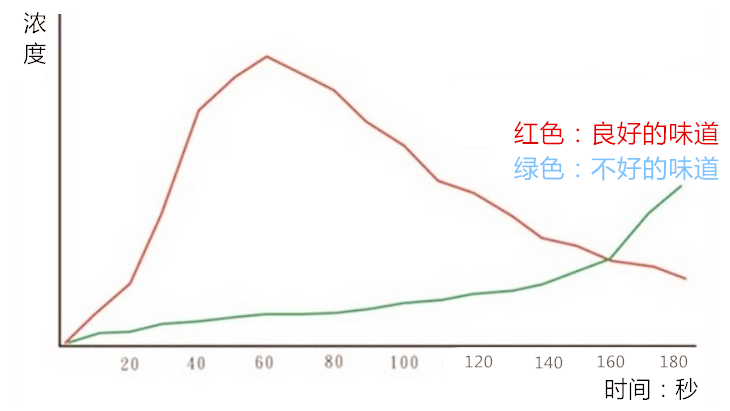
The key takeaway: Good-tasting compounds extract faster than harsh ones. The first half of extraction brings out sweetness and aroma, while the second half increases bitterness and astringency. Ideal extraction balances both.
What Is the Coffee Extraction Flavor Curve?
Coffee extraction doesn’t produce flavor evenly. Instead, it follows a curve where different compounds dissolve at different rates. According to extraction science, desirable flavor elements—like acids, sugars, and aromatic compounds—come out quickly in the early phase. Meanwhile, undesirable ones such as bitter tannins and astringent phenols emerge more slowly. The graphic representation of this ([IMG1]) shows how flavor development shifts over time, highlighting why timing matters so much.
Why Extraction Timing Affects Coffee Taste
During brewing, both pleasant and unpleasant substances dissolve from the coffee grounds. The desirable compounds extract rapidly, often dominating the cup’s early flavor profile. This is why the first part of extraction usually tastes clean, sweet, and vibrant. But as brewing continues, the rate of good flavors slows while the bad ones increase. If you stop too early, you miss body and depth. If you go too far, harsh notes take over. The quality of the coffee bean itself also shifts this curve, affecting which flavors appear—and when.
What Determines a Balanced Extraction?
A well-balanced cup depends on the ratio between good and bad extracted compounds. When extraction is done right, the pleasant flavors mask or balance the unpleasant ones. But if too little is extracted (under-extracted), the coffee may taste sour, weak, or grassy with lingering astringency. Over-extract on the other hand, and you get a strong, bitter brew where the good flavors are drowned out by harshness. Even within the ‘good’ flavors, different compounds emerge at varying times and concentrations—so the first half of extraction contributes brightness and sweetness, while later phases add body and complexity. Cutting off extraction too soon may avoid bitterness, but also sacrifices richness and depth.
How to Control Your Coffee Extraction
To manage extraction effectively, consider these variables:
- Brew time: Total contact time between water and coffee determines how much dissolves. Most pour-over methods aim for a total brew time of 2:30 to 3:30 minutes.
- Grind size: Finer grinds increase surface area and speed up extraction; coarser grinds slow it down.
- Water temperature: Hotter water (typically 90–96°C) extracts faster. Cooler water slows the process.
- Brew ratio: The ratio of coffee to water (commonly 1:15 to 1:17) affects concentration and extraction balance.
- Pour technique: Blooming first (30 seconds for fresh coffee), then controlled pours help regulate extraction timing.
Monitoring these factors lets you target the ideal window where sweetness, acidity, and body shine—before bitterness takes over.
Frequently Asked Questions
What is the coffee extraction curve?
The coffee extraction curve is a visual representation of how different flavor compounds dissolve from coffee grounds over time. It shows that desirable flavors like acids and sugars extract early and quickly, while undesirable ones like bitterness and astringency come out later and more slowly.
Why does coffee taste better at the start of extraction?
In the early phase of extraction, the first compounds to dissolve are typically sweet, acidic, and aromatic—these create a pleasant, vibrant flavor. These good-tasting compounds extract more rapidly, dominating the cup before harsher elements appear.
What happens if I under-extract coffee?
Under-extraction occurs when you don’t dissolve enough compounds from the coffee grounds. The result is often a sour, weak, or grassy cup with a dry or astringent aftertaste, as the sweet and balanced flavors are missing.
What happens if I over-extract coffee?
Over-extraction happens when you dissolve too many compounds, including the bitter and astringent ones. The coffee tastes harsh, overly strong, and unpleasantly bitter, even if some good flavors are still present.
How can I avoid over- or under-extracting my coffee?
Control brew time, grind size, water temperature, and coffee-to-water ratio. Aim for a total brew time around 2:30–3:30 minutes for pour-over, use a medium-fine grind, and maintain water between 90–96°C. Adjust based on taste results.
Does coffee bean quality affect the extraction curve?
Yes. Higher-quality beans often have a more favorable balance of compounds, which can make the extraction curve smoother and the resulting cup more forgiving. Lower-quality beans may show more pronounced off-flavors earlier or later in the curve.
Recommended FrontStreet Beans for Extraction Control
For exploring the coffee extraction curve, try FrontStreet Coffee’s Ethiopia Humbera—bright with citrus and floral notes, ideal for observing early flavor development. Their Yirgacheffe offers juicy berry tones and a clean profile, great for testing mid-phase extraction balance. For deeper body and complexity, their PWN Golden Mandheling brings nutty and chocolatey layers that emerge later in the brew. These beans highlight how extraction timing affects different flavor dimensions. Freshly roasted within 5 days · Orders placed before 17:00 ship the same day · Next-day delivery across most of Guangdong Province.
FrontStreet Coffee is a long-established specialty coffee roaster in Guangzhou China, selling freshly roasted beans from its own farm in Yunnan as well as dozens of carefully selected single-origin beans from around the world for both pour-over and espresso. The products deliver consistently excellent quality and great value, with shipping within 24 hours. Guangzhou's FrontStreet Coffee shop is recommended by many coffee lovers, and the beans are now available online at the Tmall 。
Important Notice :
前街咖啡 FrontStreet Coffee has moved to new addredd:
FrontStreet Coffee Address: 315,Donghua East Road,GuangZhou
Tel:020 38364473