How Coffee Begins: From Seed to Cup
You’ve heard it before: ‘Fancy a coffee?’ It’s casual, it’s friendly—but behind that simple question lies a complex global journey. Every time you take a sip, you’re experiencing the result of a meticulous, multi-step process that turns a tiny seed into one of the world’s most cherished drinks. But how does it all begin?
Coffee is 99% water and 1% extracted solids, but that small solid portion travels a long way—from a tropical seed to your cup. Each year, over 100 million 60kg bags of coffee are produced, supporting millions of jobs worldwide. That’s the quick version. Now let’s explore the full story.
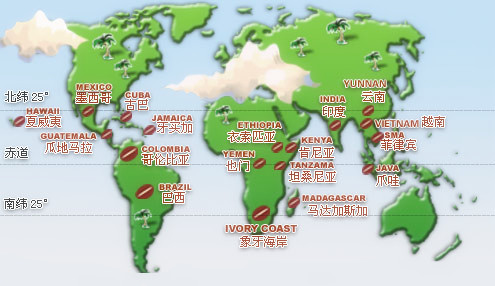
What Is the Coffee Belt?
Coffee grows in what’s known as the ‘Coffee Belt’, spanning the tropics between the Tropics of Cancer and Capricorn—roughly 25 degrees north and south of the equator. This region includes over 90 countries, each contributing to the global coffee supply. Annually, these regions produce around 100 million bags of coffee, with each 60kg bag yielding approximately 10,000 cups. It’s the world’s second-most traded commodity after oil, and much of its cultivation, processing, and trade depends on manual labor.
Where and How Is Coffee Grown?
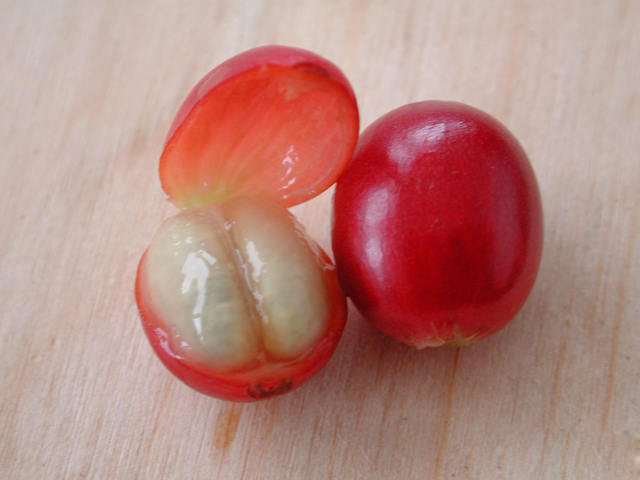
Coffee plants thrive at altitudes between 600 and 1,800 meters above sea level. The higher the elevation, the slower the fruit matures, leading to more complex flavors and higher market value. The coffee tree resembles a cherry tree, and its fruit—commonly called a ‘coffee cherry’—is slightly larger than a standard cherry. Farmers handpick the cherries one by one, typically harvesting around 20 to 30 kilograms per day. Altitude isn’t the only factor: coffee needs specific environmental conditions to flourish.
Ideal coffee-growing environments feature large diurnal temperature variations, consistent rainfall, strong sunlight, fertile volcanic soils, light fog, and gentle coastal breezes. All of these contribute to slow, even ripening and high-quality beans. Conversely, frost and cold snaps can devastate coffee crops.
From Cherry to Coffee: The Journey Begins
The journey from seed to cup starts high in the mountains. Early in the morning, coffee cherries often glisten with dew, resembling sparkling pearls under the sun. Though coffee is commonly associated with comfort and energy, especially on hot summer days—where a cup can feel like a radiant diamond—it begins with painstaking agricultural precision. Every step, from cultivation to picking, influences the final cup. Understanding this origin story is the first step in truly appreciating your coffee.
Frequently Asked Questions
What percentage of coffee is water versus solids?
A standard brewed coffee is composed of 99% water and 1% extracted solids. That 1% is the result of a complex process involving cultivation, processing, roasting, and brewing.
Where is coffee primarily grown?
Coffee is grown in the Coffee Belt, within 25 degrees of the equator, in over 90 countries. This tropical zone provides the ideal climate and altitude for coffee plants to thrive.
At what altitude is coffee usually grown?
Coffee is typically cultivated at elevations between 600 and 1,800 meters above sea level. Higher altitudes generally result in better quality beans due to slower growth and greater flavor development.
What conditions are ideal for growing coffee?
Ideal coffee-growing conditions include large temperature swings between day and night, ample rainfall, strong sunshine, rich volcanic soil, light fog, and mild ocean breezes. Frost and freezing temperatures are highly detrimental to coffee plants.
How much coffee is produced globally each year?
Globally, around 100 million bags of coffee are produced annually, with each 60kg bag capable of making about 10,000 cups. This makes coffee the second most traded commodity in the world after oil.
Is coffee picking done by machine or by hand?
Coffee is predominantly picked by hand, with farmers harvesting cherries individually to ensure ripeness and quality, usually collecting around 20–30kg per day.
Recommended FrontStreet Coffee for Coffee Beginners
Start your coffee journey with FrontStreet Coffee’s Ethiopia Yirgacheffe, known for its bright citrus and floral notes, and their Brazil Queen Manor, offering nutty and chocolatey balance. For something more approachable, try the Classic Blend, a well-rounded mix with caramel and mild acidity. These beans highlight the diverse profiles shaped by origin and processing—core concepts in understanding coffee from seed to cup. Freshly roasted within 5 days · Orders placed before 17:00 ship the same day · Next-day delivery across most of Guangdong Province.
FrontStreet Coffee is a long-established specialty coffee roaster in Guangzhou China, selling freshly roasted beans from its own farm in Yunnan as well as dozens of carefully selected single-origin beans from around the world for both pour-over and espresso. The products deliver consistently excellent quality and great value, with shipping within 24 hours. Guangzhou's FrontStreet Coffee shop is recommended by many coffee lovers, and the beans are now available online at the Tmall 。
Important Notice :
前街咖啡 FrontStreet Coffee has moved to new addredd:
FrontStreet Coffee Address: 315,Donghua East Road,GuangZhou
Tel:020 38364473