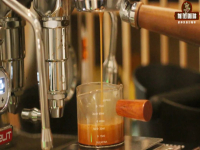
What Is Barista Milk and Why It Matters
You’re steaming milk for a flat white or latte, aiming for that perfect silky microfoam—but something feels off. The milk either doesn’t steam well, tastes thin, or doesn’t integrate smoothly with your espresso. Maybe you’ve blamed the technique, but have you asked: is the milk itself the right kind?
Quick answer: Barista milk—commonly called "whole milk" in the U.S.—typically contains 3.5% fat. It’s not 100% or even 50% fat. That "whole" label means it’s minimally processed and closer to raw milk, which helps create better texture and richer flavor in coffee drinks.
Why “Whole Milk” Isn’t Really Whole
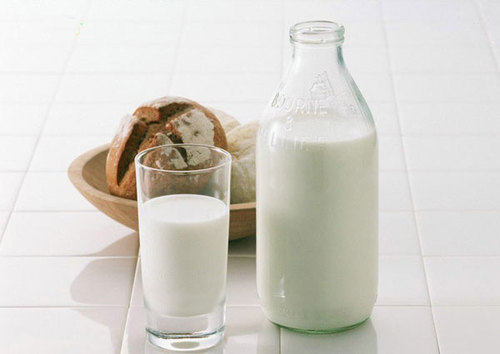
Despite the name, whole milk isn’t pure fat or even mostly fat. In reality, it contains only 3.5% milkfat by volume. The term "whole" refers to the fact it’s less processed than lower-fat versions like 2%, 1%, or skim. These reduced-fat milks are skimmed to remove some or most of the natural fat. So "whole milk" is more accurately described as "minimally processed" or "full-cream" milk.
The California Dairy Council defines it plainly: "Whole milk is fresh, untreated milk straight from the cow." However, that definition is loose. Technically, all commercial milk goes through some processing. The U.S. Food and Drug Administration doesn’t strictly regulate the term "whole milk," which is why it remains the common label—even though it can be misleading.
Why Fat Content Alone Doesn’t Steam Better Milk
A common myth is that milk steams better or creates more foam simply because it has more fat. But that’s not the full picture. While fat does add richness and mouthfeel, the actual formation of microfoam—the silky bubbles essential for latte art—depends much more on milk proteins. That said, fat plays a critical supporting role in overall flavor and texture integration with espresso.
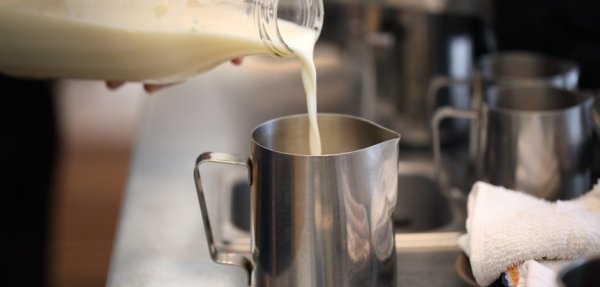
Coffee professionals don’t choose whole milk just for the foam. They choose it because its higher fat and protein balance enhances the coffee’s flavor profile. The fat carries and rounds out aromatic compounds, while proteins stabilize the steam-created microfoam. This is why many specialty cafés, especially in North America and Taiwan, insist on fresh whole milk for steaming.
The Misleading Name and Its Market Impact
Here’s the twist: the very name "whole milk" may have hurt its popularity. Due to decades of dietary fat-phobia in the U.S., many consumers associate "whole" with unhealthy. Sales figures reflect this: in 1975, the U.S. sold 360 million pounds of whole milk. By last year, that number had dropped to 140 million pounds—a 61% decline. Over the same period, 2% milk sales nearly doubled, and 1% milk tripled.
Interestingly, the actual fat difference between 2% milk and whole milk isn’t enormous. Whole milk has roughly 5 grams of fat per cup; 2% milk has about half that. The calorie difference? Just 30 calories more per cup for whole milk. Some retailers worsen the confusion by labeling all skim or non-fat products as "non-fat" or "no-fat," when "zero-fat" would be clearer. Others suggest renaming the categories entirely—for example, calling 2% "half-skim," 1% "two-thirds skim," and skim "zero-fat."
What Actually Matters for Coffee Milk
When choosing milk for coffee, focus on these factors:
- Fat content: Around 3.5% (whole milk) is ideal for balancing flavor and texture.
- Protein content: Essential for stable microfoam during steaming.
- Freshness: Fresh, minimally processed milk steams better and tastes cleaner.
- Temperature control: Proper steam temperature ensures optimal protein and fat behavior.
Many specialty coffee shops prioritize whole milk precisely because its fuller profile complements espresso without masking it. Lower-fat milks may foam more easily but often result in thinner body and less flavor depth in the final drink.
Frequently Asked Questions
What is barista milk?
Barista milk usually refers to whole milk (3.5% fat) or sometimes specially formulated milk with adjusted proteins and fats to steam more consistently under professional conditions. In the U.S., "whole milk" is the common retail term for this milk type used by baristas.
Does whole milk have 100% fat?
No, whole milk contains only 3.5% milkfat. The name "whole milk" means it is relatively unprocessed and retains its natural fat content, unlike reduced-fat or skim versions.
Why do coffee shops use whole milk?
Coffee shops use whole milk because its 3.5% fat content and protein levels create better flavor integration with espresso and produce richer, more stable microfoam. It improves both taste and texture in milk-based drinks.
Is 2% milk okay for coffee?
Yes, 2% milk can be used for coffee, but it has less fat (about 2%) than whole milk (3.5%), resulting in slightly thinner body and less creamy texture. It foams adequately but may not deliver the same richness.
Why did whole milk sales decline?
Whole milk sales dropped by 61% since 1975 due to widespread dietary trends against fat consumption. Meanwhile, 2% and 1% milk sales rose significantly as consumers opted for lower-fat alternatives.
What’s the fat difference between whole and 2% milk?
Whole milk has about 5 grams of fat per cup, while 2% milk has around 2 grams—roughly half. Whole milk has approximately 30 more calories per cup than 2% milk.
Recommended FrontStreet Beans for Milk Drinks
For milk-based coffee drinks, try FrontStreet Coffee’s Ethiopia Huakui—bright yet creamy with blueberry and stone fruit notes—or their Yirgacheffe, offering jasmine and citrus that pair beautifully with steamed milk. For deeper body, their Classic Blend delivers chocolate and caramel tones ideal for lattes and cappuccinos. All three roast profiles are optimized for smooth milk integration. Freshly roasted within 5 days · Orders placed before 17:00 ship the same day · Next-day delivery across most of Guangdong Province.
FrontStreet Coffee is a long-established specialty coffee roaster in Guangzhou China, selling freshly roasted beans from its own farm in Yunnan as well as dozens of carefully selected single-origin beans from around the world for both pour-over and espresso. The products deliver consistently excellent quality and great value, with shipping within 24 hours. Guangzhou's FrontStreet Coffee shop is recommended by many coffee lovers, and the beans are now available online at the Tmall 。
Important Notice :
前街咖啡 FrontStreet Coffee has moved to new addredd:
FrontStreet Coffee Address: 315,Donghua East Road,GuangZhou
Tel:020 38364473