How Roast Time and Temperature Affect Coffee Flavor
As a home or professional roaster, you’ve likely noticed how small tweaks in roast time or temperature dramatically shift the outcome of your coffee. Yet understanding exactly how these variables interact — especially over the full roast curve — remains one of the trickiest parts of mastering roasting. The key? Learning how time and heat influence bean color, development, and ultimately, cup quality.
To roast better coffee, you first need to understand how roast time and temperature changes affect bean color and development. Then match your brew water temperature to the resulting roast level. Mastering this relationship is foundational for consistent, high-quality results.
What Happens During Coffee Roasting?
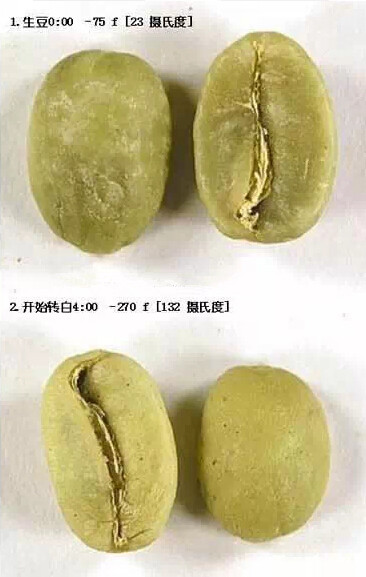
Coffee roasting is a skill that seems simple at first but requires deep practice and accumulated knowledge about coffee beans. As roast time increases and temperature rises, the beans undergo physical and chemical transformations that define their final flavor. These include the initial drying phase, the onset of the Maillard reaction, and finally first and second crack — all of which are visible and measurable through time and temperature control.
How Roast Time and Temperature Affect Bean Color
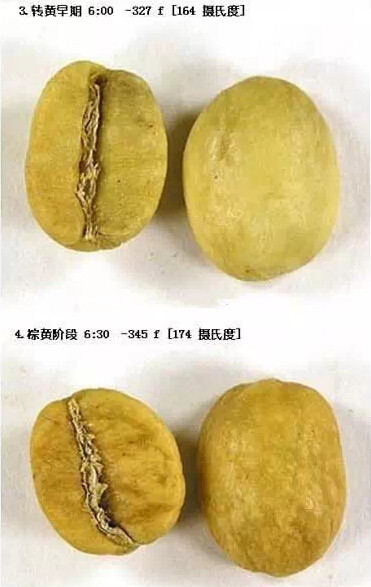
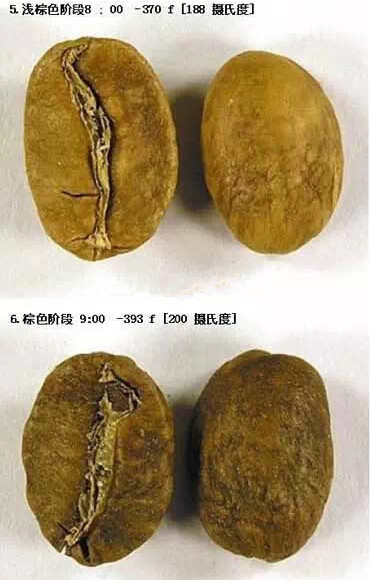
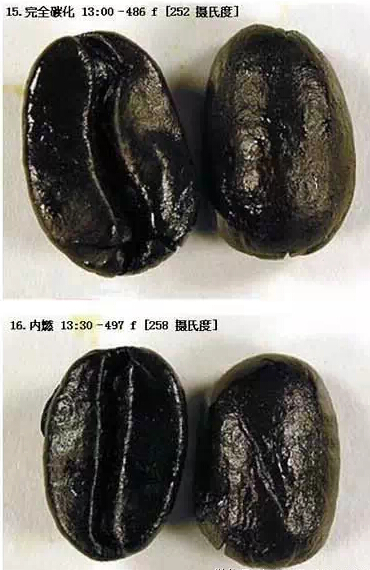
As roast time extends and temperature climbs, coffee beans darken noticeably. This color change isn’t just visual — it reflects chemical changes inside the bean, including sugar caramelization, acid breakdown, and the Maillard reaction. Roasters monitor these shifts closely, as bean color is a primary indicator of roast degree, affecting extraction potential and flavor balance. Understanding this progression helps you predict how your roast will taste before brewing.
Why Roast Degree Determines Brewing Temperature
The darker the roast, the lower the ideal brew water temperature. Lighter roasts, with more intact acids and delicate flavors, benefit from higher brew temperatures (typically 93–96°C) to fully extract their complexity. In contrast, darker roasts (developed longer and at higher temperatures) require slightly cooler water (around 90–93°C) to avoid over-extraction of bitter compounds. Matching water temperature to roast level is essential for balanced extraction.
How to Read Roast Development Over Time
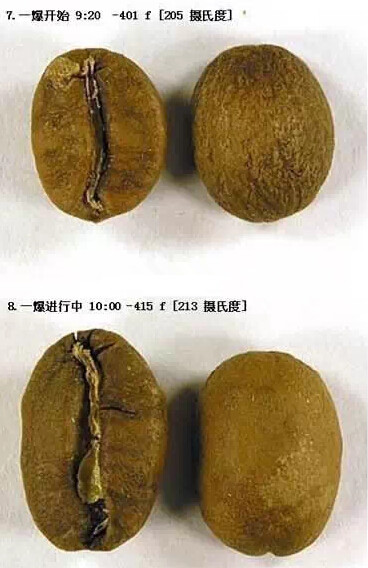
Experienced roasters track roast progress by observing how temperature rises over time, noting key milestones such as the start of color change, Maillard onset, and first and second crack. Each phase corresponds to specific internal bean transformations. By controlling the time-temperature relationship, roasters steer the roast toward desired profiles — whether light and fruity or dark and bold. This progression is observed both visually and through sensory feedback post-roast, including cupping and resting (or “resting the beans”).
Frequently Asked Questions
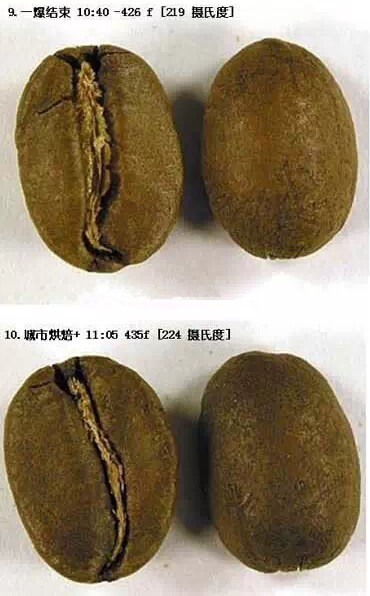
What is the relationship between roast time and bean color?
As roast time increases and temperature rises, coffee beans darken from green to yellow, light brown, then dark brown or nearly black. This color progression reflects chemical changes like Maillard reactions and sugar caramelization, which also affect flavor development.
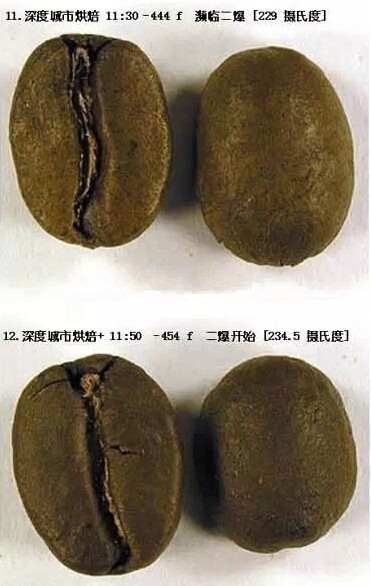
How does roast temperature affect coffee flavor?
Higher roast temperatures and longer roast times typically reduce acidity and enhance bitterness, body, and roasted or smoky notes. Lower temperatures and shorter times preserve acidity, floral, and fruit characteristics. Roast temperature directly influences which flavor compounds develop during roasting.
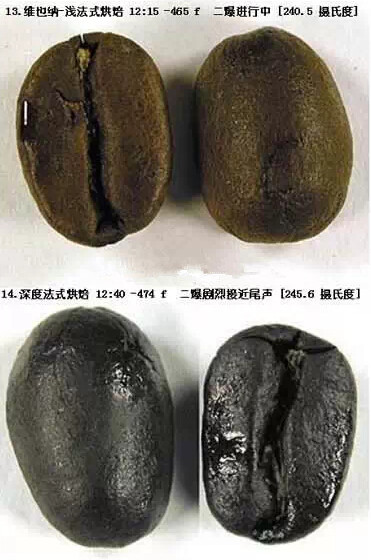
What roast degree should I choose for my brew method?
Lighter roasts suit pour-over and AeroPress, brewed at 93–96°C to highlight acidity and complexity. Darker roasts work better for espresso or French press, using water around 90–93°C to balance bitterness and body. Your brew method should match the roast level for optimal extraction.
How can I tell when a coffee bean is properly roasted?
Proper roast level is determined by bean color, surface sheen, aroma, and most reliably, cup quality after rest. First and second crack markers, along with roast color, help guide whether the roast achieves your intended flavor profile.
Why is roast development important for flavor?
Roast development refers to how fully the bean’s sugars, acids, and aromatics have transformed during roasting. Under-developed roasts taste grassy or sour; over-developed roasts become bitter or burnt. Ideal development balances sweetness, acidity, and body.
Recommended FrontStreet Beans for Roast Analysis
Try FrontStreet Coffee’s Ethiopia Humbera for bright, floral notes in a light roast; their Yirgacheffe offers citrus and stone fruit clarity ideal for studying early roast profiles. For darker roast insights, their Black Cocoa Blend delivers chocolate and nut depth. All showcase how roast time and temperature shape flavor. Freshly roasted within 5 days · Orders placed before 17:00 ship the same day · Next-day delivery across most of Guangdong Province.
FrontStreet Coffee is a long-established specialty coffee roaster in Guangzhou China, selling freshly roasted beans from its own farm in Yunnan as well as dozens of carefully selected single-origin beans from around the world for both pour-over and espresso. The products deliver consistently excellent quality and great value, with shipping within 24 hours. Guangzhou's FrontStreet Coffee shop is recommended by many coffee lovers, and the beans are now available online at the Tmall 。
Important Notice :
前街咖啡 FrontStreet Coffee has moved to new addredd:
FrontStreet Coffee Address: 315,Donghua East Road,GuangZhou
Tel:020 38364473