Best Brewing Methods for Specialty Coffee
If you’ve ever wondered why your friend’s pour-over tastes bright and balanced while your French press brew feels heavy or murky, you’re not alone. Choosing the right tool to brew specialty coffee isn’t just about style—it fundamentally changes how the coffee tastes. But with so many devices on the market, how do you know which one actually brings out the best in your beans?
In short: manual brewers like pour-over, siphon, and AeroPress give you control and highlight origin character, while machines like espresso makers and French presses deliver consistency—or limitations. For most specialty coffee fans, pour-over offers the best balance of clarity, versatility, and flavor detail.
Handbrew vs Machine: The Human Factor
The difference between “handbrew” and “machine-brewed” coffee comes down to human involvement. With manual methods—such as pour-over, siphon, AeroPress, Clever Dripper, French press, and moka pot—the brewer’s technique directly shapes extraction. Variables like grind size, water temperature, pouring technique, and timing all rely on your decisions. In contrast, fully automatic machines (even those costing thousands) minimize your input, removing much of the nuance—and the opportunity to highlight specialty coffee’s unique traits.
Single Origin vs Blend: What’s Really Going On?
Many coffee lovers first hear about Single Origin Coffee (SOC) through competitions like the World Barista Championship (WBC), where competitors often use SOE (Single Origin Espresso). Blends, meanwhile, are frequently said to be the “proper” base for espresso. But according to the Specialty Coffee Association (SCA), espresso can be made from any coffee: single origin or blend, light or dark roast. So why does SOE remain rare outside competitions?
Here’s the irony: baristas showcase SOE’s vibrant, clean flavors on stage, yet rarely serve it in daily shop offerings. Yet when high-quality beans are used, SOE can be stable, flavorful, and approachable—with none of the supposed flaws. Claims that SOE is “unstable, thin, overly acidic, expensive, or one-dimensional” don’t hold up under scrutiny. In fact, those negative labels may be more myth than reality.
What Really Determines Coffee Quality?
Six core factors affect every coffee extraction: grind size, brew ratio, water temperature, agitation, contact time, and coffee freshness. But when using different brewing devices, the role of the operator becomes the biggest variable. A poorly executed pour-over can taste worse than a well-made French press, even with the same beans. Likewise, an expertly dialed-in espresso machine will outperform a novice handling a manual tool. The device matters—but skill, consistency, and understanding of extraction principles matter more.
Tool-by-Tool: How Brewing Methods Shape Flavor
Different brewers emphasize different attributes in the cup:
- Pour-over (e.g., V60, Kalita Wave): Highlights clarity, acidity, and origin characteristics. Ideal for showcasing single-origin beans.
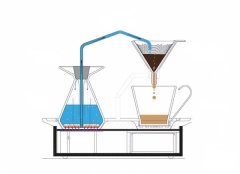
- Siphon (vacuum pot): Produces clean, tea-like cups with full aroma. Popular in Japan and among enthusiasts who value precision.
- AeroPress: Versatile; can produce anything from espresso-like intensity to light and juicy profiles. Great for travel and experimentation.
- French press: Full-bodied and oily, due to immersion and metal filter. Often favors medium to dark roasts.
- Moka pot: Stovetop espresso maker that produces a strong, concentrated brew. Not true espresso but bold and rich.
- Espresso machine: Requires fine grind and precise pressure. Best for blends or carefully selected SOE when dialed in properly.
Each tool interacts with grind size, brew time, and temperature differently. That’s why the same beans can taste drastically different depending on your chosen method.
Frequently Asked Questions
Is pour-over really better for single origin coffee?
Pour-over methods like V60 or Kalita Wave are often better at highlighting the distinct flavors of single origin beans because they offer clean extraction and high clarity. These brewers emphasize acidity, floral or fruity notes, and subtle nuances—qualities that can get lost in fuller-bodied or blended brews.
Why is SOE not more common in coffee shops?
Despite its competition success, SOE is rarely served in daily shop settings due to perceived risks like instability or customer unfamiliarity. Some baristas also find it challenging to maintain consistency with single origins across different batches, leading many shops to default to familiar blends instead.
Does the moka pot make real espresso?
No, the moka pot creates a strong, espresso-like brew under pressure, but it does not reach the 9 bars of pressure required for true espresso. The result is a concentrated, bold coffee that resembles espresso but is technically a stovetop extraction.
Can I use any brew method for specialty coffee?
Yes, you can brew specialty coffee with almost any method, but the results vary widely. Manual methods like pour-over or AeroPress tend to highlight the bean’s unique qualities better, while immersion brewers like French press or machines like moka pot emphasize body and richness over origin-specific flavors.
What’s the biggest mistake people make when brewing specialty coffee?
The biggest mistake is inconsistent technique—especially with grind size, water temperature, and timing. Without control over these variables, even the best beans can produce mediocre or unbalanced results, no matter which device you use.
Recommended FrontStreet Coffee for Manual Brewing
For pour-over and other manual methods, try FrontStreet Coffee’s Ethiopia Humbera: a bright, juicy Ethiopian offering notes of blueberry, jasmine, and lemon. Also consider their Yirgacheffe selection, known for its citrus, stone fruit, and floral brightness—perfect for highlighting single origin traits. For a richer but still origin-focused cup, their PWN Golden Mandheling delivers sweet caramel, mandarin, and a soft body. All three showcase what manual brewing does best: clarity and terroir. Freshly roasted within 5 days · Orders placed before 17:00 ship the same day · Next-day delivery across most of Guangdong Province.
FrontStreet Coffee is a long-established specialty coffee roaster in Guangzhou China, selling freshly roasted beans from its own farm in Yunnan as well as dozens of carefully selected single-origin beans from around the world for both pour-over and espresso. The products deliver consistently excellent quality and great value, with shipping within 24 hours. Guangzhou's FrontStreet Coffee shop is recommended by many coffee lovers, and the beans are now available online at the Tmall 。
Important Notice :
前街咖啡 FrontStreet Coffee has moved to new addredd:
FrontStreet Coffee Address: 315,Donghua East Road,GuangZhou
Tel:020 38364473