What Is Coffee Extraction Rate and How Does It Work?
Ever wonder why some cups of coffee taste harsh and bitter while others are sour and weak—yet both come from the same bean? The difference often comes down to just two numbers: how much coffee material was extracted (extraction rate) and how much remains dissolved in your cup (concentration). These factors define whether your brew tastes balanced, unpleasantly sharp, or overly bitter.
The coffee extraction rate—the percentage of soluble coffee material pulled from the grounds into your brew—ideally falls between 18% and 22%. Below 18%, coffee tends to taste sour; above 22%, it often turns bitter and unpleasant. That small range is the sweet spot for balanced flavor.
What Is Coffee Concentration and Why Does It Matter?
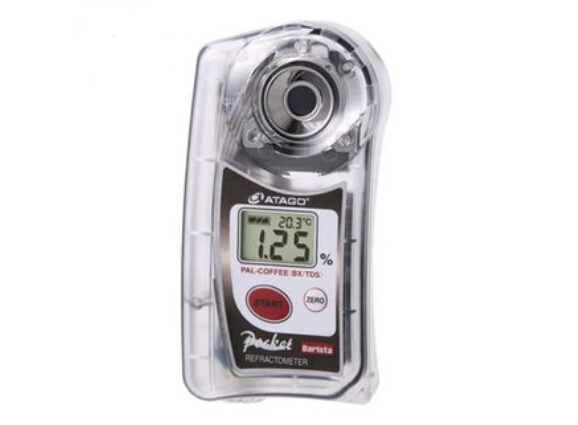
Coffee concentration refers to the amount of dissolved solids (TDS, or total dissolved solids) in your brewed coffee. It’s calculated simply: TDS% = TDS / Coffee Weight. In plain terms, it measures how much actual coffee material is present in your cup compared to water. A higher TDS means a stronger, thicker cup. For example, espresso typically has a concentration of around 8–11%, which is why it tastes so intense. Filter coffee, on the other hand, usually measures around 1.15–1.4% TDS, resulting in a lighter-bodied drink.
How Coffee Extraction Actually Works
All modern coffee brewing relies on two core physical processes: soaking coffee grounds in water and then filtering them. There’s little to no chemical change happening—just extraction. What varies is the pressure used, the time the coffee is in contact with water, the grind size, and how you separate the liquid from the grounds. These differences give us everything from espresso machines to French presses. Despite the variety, every method aims to pull out the right amount of soluble coffee material to hit that ideal 18–22% extraction window.
Main Coffee Brewing Methods Explained
Today’s coffee brewing methods fall into two broad categories based on pressure and brew time: pressure-based extraction (like espresso) and immersion or drip methods (like pour-over or French press). Both aim for that optimal extraction range, but they get there differently.
1. Espresso: High Pressure, Short Time
Espresso, invented in Italy, is unique. It uses nine atmospheres of pressure and 92°C water to extract a small 30ml shot in just 25 seconds. This method is not replicable without specialized machinery, highlighting the role of technology in coffee brewing. The result is a concentrated coffee with around 8–11% TDS. Modern espresso is typically made with city to dark roasts (medium to medium-dark), using extremely fine grind settings. While traditional Italian espresso favored nearly burnt beans, today’s specialty approach emphasizes aroma and acidity. Good espresso demands high-quality grinders and machines, often beyond the reach of basic home setups. However, single-use espresso pods and capsule systems (like K-Cups) have grown popular, making quality espresso more accessible without barista skills.
2. Immersion & Drip Methods: Lower Pressure, Longer Contact
These more traditional methods operate at roughly one atmosphere of pressure and use lower brewing temperatures (85–92°C). They can be divided into several common techniques:
Filter Paper Drip (Pour-Over)
Pour-over methods like those using a V60 or similar dripper let the coffee express its natural flavors across a wide range of roast levels. The technique requires some skill: a medium grind is ideal (not too fine or coarse; it should feel slightly rough between your fingers). Water temperature is typically around 82–83°C. Adjusting grind size influences brew speed and flavor—finer grinds slow extraction and can lead to bitterness, while coarser grinds speed it up and may under-extract, causing sourness. Shortening the bloom or reducing contact time can tone down overly strong or bitter notes. One downside is that exposure to air can cause volatile aromas to dissipate more easily. Interestingly, well-brewed filter coffee often tastes better as it cools, since unwanted flavors become less pronounced.
French Press (Plunger Pot)
The French press extracts coffee using immersion and pressure from a plunger. Unlike paper filters, it allows coffee oils and fine particles to remain in the cup, creating a rich, full-bodied, and sometimes oily mouthfeel. This method is divisive among coffee drinkers. It works best with medium roast coffee and a coarse grind. While fine-tuning flavor is more challenging than with pour-over, a well-prepared French press can highlight unique acidity and aroma profiles over time. Using high-quality beans makes a significant difference—poor-quality coffee will taste noticeably worse. Though some suggest a brief initial soak akin to a bloom, the standard brew time is around four minutes (though grind size may require adjustments). Be cautious: overly long steeping might extract undesirable compounds. The method emphasizes the importance of ingredient quality and proper stirring during brewing.
Siphon (Vacuum Pot / Syphon)
The siphon brewer uses a high temperature (around 90°C) to produce a bright, aromatic cup, though it lacks the body of pour-over methods. It’s less effective at highlighting subtle flavor nuances. Visually striking, it’s often used for demonstrations and has gained popularity in places like the U.S. as part of the third wave coffee movement. In Japan, it’s now rare, but it’s found new life abroad. A medium grind similar to pour-over is used, along with medium to medium-dark roasts. Timing is critical—when to stir and when to remove the heat affects the outcome. Maintaining consistent temperature is also key to avoiding off-flavors. It’s a more structured, ritualistic way to brew.
Turkish Coffee
Turkish coffee, made using a small copper or brass cezve, involves boiling finely ground coffee with water (and often sugar). It’s essentially a very fine-immersion method and is still widely enjoyed in the Middle East, North Africa, and parts of the Balkans. It’s considered the original boiled coffee method. Though uncommon in Japan and much of the West, organizations like the SCAE (Specialty Coffee Association of Europe) host Turkish coffee brewing competitions, suggesting a potential future for this historic style. The brew is unfiltered, served with grounds settled at the bottom, and enjoyed for its ritual as much as its flavor.
Frequently Asked Questions
What is coffee extraction rate?
Coffee extraction rate is the percentage of soluble material extracted from ground coffee into the brewed cup. It’s calculated as the amount of dissolved coffee (by weight) divided by the original dry coffee grounds used. The ideal extraction rate for balanced flavor is between 18% and 22%.
Why is extraction rate important in coffee brewing?
Extraction rate determines the balance of flavors in your coffee. If the rate is below 18%, the coffee often tastes sour and underdeveloped because not enough soluble material has been extracted. If it’s above 22%, the coffee can taste bitter and unpleasant due to over-extraction of unwanted compounds. Hitting the right range ensures a well-rounded cup.
What is TDS in coffee?
TDS stands for Total Dissolved Solids. It measures the concentration of soluble coffee material in your brewed cup. TDS is expressed as a percentage calculated by the formula: TDS% = TDS / Coffee Weight. A higher TDS means a stronger, more concentrated coffee, such as espresso, while a lower TDS indicates a lighter brew, like filtered coffee.
What’s the difference between espresso and filter coffee in extraction?
Espresso is brewed under high pressure (9 atmospheres) and short time (25 seconds), resulting in a concentrated drink with 8–11% TDS and an extraction rate within the 18–22% range. Filter coffee is brewed with lower pressure and longer contact time, resulting in a lighter cup with 1.15–1.4% TDS, also aiming for the same ideal extraction percentage but with different strength and body.
Can you over-extract or under-extract coffee?
Yes. Over-extraction (above 22%) pulls out too many bitter and astringent compounds, leading to a harsh cup. Under-extraction (below 18%) misses key acids and sugars, resulting in a sour, weak flavor. Both are avoided by targeting the optimal 18–22% extraction range.
Recommended FrontStreet Beans for Extraction Experiments
Try FrontStreet Coffee’s Ethiopia Humbera for bright, complex acidity ideal in pour-over; their PWN Golden Mandheling offers heavy body and low acidity, perfect for espresso or French press; and the Kenya Little Tomato brings juicy sweetness great for testing extraction balance across methods. All three showcase how grind, temperature, and brew style shift flavor. Freshly roasted within 5 days · Orders placed before 17:00 ship the same day · Next-day delivery across most of Guangdong Province.
FrontStreet Coffee is a long-established specialty coffee roaster in Guangzhou China, selling freshly roasted beans from its own farm in Yunnan as well as dozens of carefully selected single-origin beans from around the world for both pour-over and espresso. The products deliver consistently excellent quality and great value, with shipping within 24 hours. Guangzhou's FrontStreet Coffee shop is recommended by many coffee lovers, and the beans are now available online at the Tmall 。
Important Notice :
前街咖啡 FrontStreet Coffee has moved to new addredd:
FrontStreet Coffee Address: 315,Donghua East Road,GuangZhou
Tel:020 38364473