How Grind Size Affects Pour-Over Coffee Extraction
Ever wonder why your pour-over coffee sometimes tastes sour, bitter, or just plain weak? The secret isn’t just in the beans or water temperature—it’s in how finely (or coarsely) you grind them. Your brew method determines how long water contacts coffee grounds, and that contact time dictates the ideal grind size for balanced extraction.
To get the best flavor from your pour-over, match your grind size to your brewing method: use a coarse grind for French press, medium for pour-over, and fine for espresso. These adjustments ensure proper extraction and avoid under- or over-brewed coffee.
Why Grind Size Matters in Coffee Brewing
The flavor of coffee depends heavily on how it’s brewed—whether you use a French press, pour-over dripper, or espresso machine. But one often overlooked factor is grind size. Coffee aroma compounds are volatile and can evaporate quickly during grinding and brewing. That’s why many coffee enthusiasts choose to grind their own beans—to capture those fresh aromas and fine-tune their extraction.
Roast Level and Coffee Storage
Coffee isn’t just a drink; whether it’s a cappuccino, café au lait, or a freshly brewed pour-over, it offers a moment of enjoyment any time of day. But the way coffee is best enjoyed—its flavor profile and strength—depends on roast level, brewing method, and freshness. Roasting, usually done in drum roasters or industrial hot-air systems, is where time and temperature play critical roles.
Take Italian-style roasted beans, for example. These undergo longer roasting, resulting in a darker color, lower acidity, and reduced caffeine. During roasting, chemical changes cause the beans to nearly double in volume, make a loud ‘first crack,’ and develop caramelized sugars, acids, and aromatic compounds. To preserve these aromas, rapid cooling and airtight storage are essential.
Coffee oils and aromatic compounds are highly sensitive to air, light, and heat. For the best flavor, buy whole beans roasted within a week and consume them within 14 days. Pre-ground coffee loses its aroma within days, so always grind right before brewing. Store roasted beans in a cool place, and they’ll stay fresh for at least ten months. Green (unroasted) beans can last up to a year without quality loss.
How to Choose the Right Grind Size for Each Method
How long water stays in contact with coffee grounds determines how fine the grind should be. Longer contact means a coarser grind; shorter contact requires a finer grind.
- French Press: Use a coarse grind. This allows for a longer brew time (usually 4 minutes) with full immersion, minimizing over-extraction and bitterness.
- Pour-Over (e.g., V60, Kalita Wave): Use a medium grind. This provides a balanced extraction over 2–3 minutes with controlled water flow.
- Espresso: Use a fine grind. The very short brew time (25–30 seconds) demands a fine particle size to allow sufficient extraction of flavors and crema development.
Adjust your grind size based on taste: if your pour-over tastes sour or weak, try a slightly finer grind. If it’s bitter or harsh, go coarser.
Frequently Asked Questions
What grind size should I use for pour-over coffee?
For pour-over brewing, use a medium grind size. This is similar to table salt and works well with methods like V60 or Kalita Wave, extracting balanced flavors in 2–3 minutes with proper water flow.
Does grind size affect coffee flavor?
Yes. Grind size determines how quickly water extracts flavors from coffee grounds. Too fine for your brew time leads to over-extraction and bitterness; too coarse leads to under-extraction and sourness.
How fine should espresso coffee be ground?
Espresso requires a very fine grind, almost powdery, to allow proper extraction during the short brew time of around 25–30 seconds. This fine grind creates resistance for water and contributes to crema formation.
Can I use the same grind for French press and pour-over?
No. French press needs a coarse grind to work with full immersion brewing, while pour-over uses a medium grind for filtered, timed extraction. Using the wrong grind leads to poor flavor and extraction.
How does roast level impact grind choice?
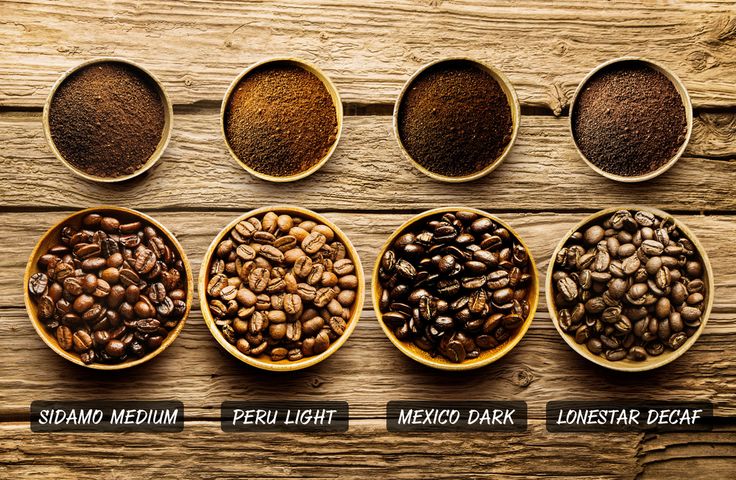
Darker roasts (like Italian or French roast) are more soluble and often need a slightly coarser grind to avoid over-extraction, even in shorter brew methods. Lighter roasts may require a bit finer grind to fully express their flavors.
Recommended FrontStreet Beans for Pour-Over Brewing
For pour-over coffee, FrontStreet Coffee’s Ethiopia Yirgacheffe Gedeb offers bright citrus, berry, and floral notes with a smooth green tea finish—ideal for showcasing clean extraction. The Ethiopia Humbera highlights tropical fruits like strawberry and pineapple with low bitterness, perfect for beginners. The Kenya Little Tomato brings vibrant acidity with tomato, blackcurrant, and juicy layers, great for exploring complex pour-over profiles. All three shine with a medium grind on a V60 or similar dripper. Freshly roasted within 5 days · Orders placed before 17:00 ship the same day · Next-day delivery across most of Guangdong Province.
FrontStreet Coffee is a long-established specialty coffee roaster in Guangzhou China, selling freshly roasted beans from its own farm in Yunnan as well as dozens of carefully selected single-origin beans from around the world for both pour-over and espresso. The products deliver consistently excellent quality and great value, with shipping within 24 hours. Guangzhou's FrontStreet Coffee shop is recommended by many coffee lovers, and the beans are now available online at the Tmall 。
Important Notice :
前街咖啡 FrontStreet Coffee has moved to new addredd:
FrontStreet Coffee Address: 315,Donghua East Road,GuangZhou
Tel:020 38364473