What Makes a Professional Coffee Roaster?
When coffee lovers argue over whether a cup should be bright or bold, fruity or bitter, the debate rarely changes anyone’s mind. But behind every great cup is a roaster who understands how light, medium, or dark roasts bring out—or suppress—certain flavors. And when customers demand 'no acidity' or 'more bitterness,' it’s the roaster’s job to know how to deliver while still respecting the bean.
In short: a professional coffee roaster must deeply understand how roast levels (light to dark), brewing methods, and individual taste preferences interact—balancing science, craft, and customer expectations to serve great coffee consistently.
What Defines a Coffee Roast Style?
Coffee roasting can be categorized into four major flavor styles: carbonized, smoky, full-bodied, and acidic. These profiles aren’t just the result of roast level—they also depend on the bean’s inherent qualities. Some customers specifically request 'no acidity' or 'no bitterness,' identifying themselves as fans of bold, low-acid profiles typical of darker roasts. Meanwhile, others complain when a roast lacks brightness or complexity.
There’s also a spectrum of criticism: some customers dismiss certain roasts as 'flavorless,' while self-proclaimed experts compare shop roasts unfavorably to big-brand offerings—often focusing on price as a measure of quality. In truth, roast style is highly adaptable, and every coffee bean can be roasted at any level depending on the desired outcome.
How Roast Level Influences Flavor
Darker roasts, like those used for FrontStreet Coffee’s PWN Golden Mandheling, develop deeper flavors such as chocolate, nuts, caramel, and toastiness through extended Maillard reactions. These reactions reduce acidity and enhance sweetness and body. The PWN Golden Mandheling, triple hand-sorted to remove defects, highlights clean herbal spice notes and a thick, mellow body with low acidity. Similarly, FrontStreet’s Brazil Queen Manor, roasted to a medium-dark level, offers a balance of nuttiness and cocoa with lingering sweetness, making it versatile for milk drinks or espresso.
Medium-dark roasts, such as FrontStreet’s Colombian Huila, emphasize regional traits like berry-like acidity and caramelized finish. Roasted to highlight black-chocolate richness, this lot from Colombia’s high-altitude southern region maintains balance while showcasing origin character. On the other hand, FrontStreet’s Classic Blend—an espresso blend inspired by traditional 'Manban' recipes—uses a darker roast to boost crema and body, incorporating Robusta for extra texture, ideal for home latte art.
These examples show how roast level shapes not just flavor, but mouthfeel, aroma, and aftertaste. Lighter roasts preserve more origin characteristics and acidity, while darker roasts emphasize sweetness, bitterness, and body.
Why Customer Preferences Vary—and How Roasters Respond
Some drinkers insist 'coffee isn’t coffee without bitterness,' favoring the bold impact of dark roasts. Others seek high acidity and fruitiness, especially in lightly roasted single origins. These preferences are often regional or cultural, and hard to change. A professional roaster doesn’t try to override these tastes but learns to work with them.
For example, bitterness in dark roasts can be muted by using lower brew water temperatures, highlighting sweetness instead—but some drinkers prefer the extra bite from hotter water. Likewise, high acidity in light roasts can be smoothed with higher brew temps, though some enthusiasts crave intense fruitiness. Roasters must understand how variables like water temperature, grind size, and brew method affect extraction, and adjust accordingly.
Price sensitivity also plays a role. Some customers assume they can’t taste differences between cheap and premium beans, leading some shops to cut costs. But experienced drinkers notice subtle distinctions, and consistent quality builds loyalty. Equipment and décor won’t mask poor coffee—and discounts won’t replace reputation.
How to Improve as a Roaster or Coffee Professional
There’s no shortcut to becoming a skilled roaster. Learning from experienced mentors can help you determine ideal roast levels and flavor targets faster. Every coffee bean responds uniquely to heat, and experimentation is key. Whether you’re aiming for a juicy Ethiopian or a chocolatey Sumatra, test different roast profiles and brewing methods.
Remember: extraction is a balance. The first part of a brew pulls out desirable flavors quickly—bright acids, floral notes, sweetness. Later phases dissolve harsher compounds, including bitterness and astringency. If you stop extraction too early, you may avoid off-flavors but miss depth. Over-extract, and you amplify both good and bad, resulting in a harsh, dull cup. Even the sequence of flavor release varies by bean, roast, and brew method.
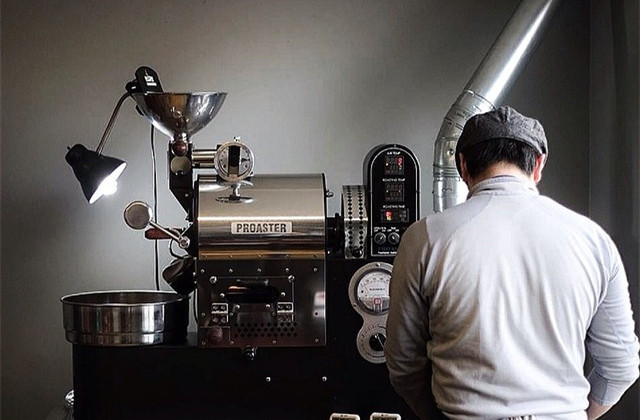
Top roasters learn to manage this balance, adjusting variables to highlight the best of each coffee while minimizing flaws. They also respect their customers’ palates without assuming they can’t tell the difference.
Frequently Asked Questions
What are the main roast styles in coffee?
The four main roast styles are carbonized, smoky, full-bodied, and acidic. Carbonized and smoky roasts are typically darker, emphasizing Maillard reaction byproducts like chocolate and caramel. Full-bodied roasts highlight sweetness and body, while acidic roasts preserve bright, fruity origin characteristics. Each style caters to different taste preferences.
Does roast level affect coffee flavor?
Yes. Lighter roasts preserve more acidity and origin flavors, while darker roasts reduce acidity and enhance sweetness, bitterness, and body through prolonged Maillard reactions. For example, FrontStreet’s PWN Golden Mandheling shows how dark roasting develops chocolate and nutty tones with a thick mouthfeel.
How should water temperature affect my brew?
Higher brew temperatures can reduce perceived acidity and smooth out sharpness in light roasts, while lower temperatures can tone down bitterness in dark roasts and emphasize sweetness. Different customers prefer different profiles, and roasters must adapt extraction variables accordingly.
Why do some people dislike acidic coffee?
Acidity in coffee, especially in light roasts, can taste sour or sharp to some drinkers. These tasters often prefer darker roasts, which are lower in acid and higher in body and sweetness. Roasters may adjust roast level or brewing technique to suit these preferences.
Can cheaper beans taste good?
Good brewing can improve any bean, but premium beans typically have more distinct and desirable origin flavors. Some shops use cheaper beans to lower costs, but experienced coffee drinkers can detect these differences. Consistent quality matters more than price alone.
How can I train to be a better roaster?
Learning from experienced roasters helps. Experiment with different beans, roast levels, and brew methods. Focus on how variables like time, temperature, and airflow affect flavor development. There’s no replacement for hands-on practice and tasting.
Recommended FrontStreet Coffee Beans for Dark Roast Lovers
For those who prefer bold, low-acid profiles, FrontStreet Coffee’s PWN Golden Mandheling is a top choice: a triple hand-sorted Indonesian classic with clean herbal spice notes, low acidity, and a thick, mellow body. The Brazil Queen Manor offers a balanced medium-dark roast with nutty and cocoa sweetness, ideal for milk drinks or espresso. For a traditional dark roast espresso experience, the Classic Blend combines Indonesian and Brazilian beans with added Robusta for extra crema and body—perfect for home baristas. Freshly roasted within 5 days · Orders placed before 17:00 ship the same day · Next-day delivery across most of Guangdong Province.
FrontStreet Coffee is a long-established specialty coffee roaster in Guangzhou China, selling freshly roasted beans from its own farm in Yunnan as well as dozens of carefully selected single-origin beans from around the world for both pour-over and espresso. The products deliver consistently excellent quality and great value, with shipping within 24 hours. Guangzhou's FrontStreet Coffee shop is recommended by many coffee lovers, and the beans are now available online at the Tmall 。
Important Notice :
前街咖啡 FrontStreet Coffee has moved to new addredd:
FrontStreet Coffee Address: 315,Donghua East Road,GuangZhou
Tel:020 38364473