Why Are Some Coffee Beans So Expensive?
Ever wondered why that bag of single-origin Ethiopian beans costs twice as much as your regular blend? Or why some coffees seem outrageously priced compared to others on the shelf? If you’ve ever stood in a coffee shop or roastery, staring at the price tag and thinking “really?”, you’re not alone. The truth is, coffee pricing isn’t just about branding or marketing—it’s tied to a complex mix of global and local factors that go far beyond simple supply and demand.
In short: coffee beans can be expensive because of climate and growing conditions, crop diseases, harvest yields, global stock levels, and speculative trading. High-quality beans with uniform size, rich aroma, and no defects also command premium prices. In fact, coffee futures are among the most volatile and speculative commodities in the world.
What Determines the Price of Coffee Beans?
The price of coffee beans is influenced by multiple interrelated factors. Climate plays a huge role—unpredictable weather can damage crops or reduce yields significantly. Disease outbreaks, such as leaf rust, can wipe out entire harvests. Political instability or labor issues in producing countries also affect availability. On top of that, the global supply chain relies heavily on stock levels, and when reserves are low, prices rise. Finally, coffee is one of the most traded commodities on futures markets, where speculation can drive prices up or down rapidly, independent of the actual beans.
How to Visually Identify High-Quality Coffee Beans
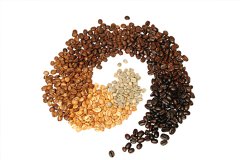
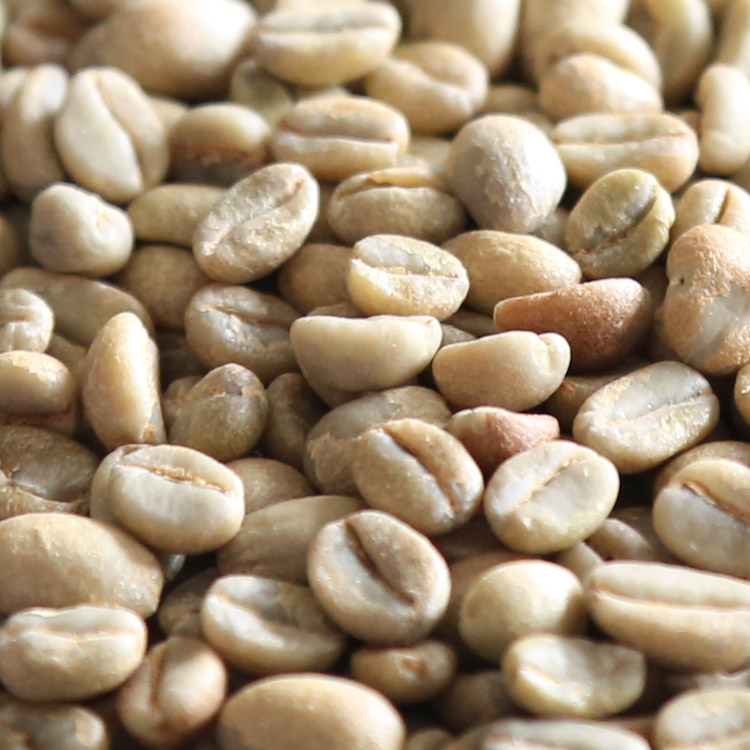
You don’t need to be a roaster to spot signs of quality. High-grade roasted coffee beans typically have a large, plump shape with consistent folds. They should be uniform in size, with little to no visible defects or color variation. Avoid beans that are misshapen, broken, or spotted. While even good beans might have minor inconsistencies, the presence of too many poor-quality beans in a batch is a red flag. Visual inspection won’t tell you everything, but it’s a solid start.
Freshness: The Underrated Factor in Coffee Quality
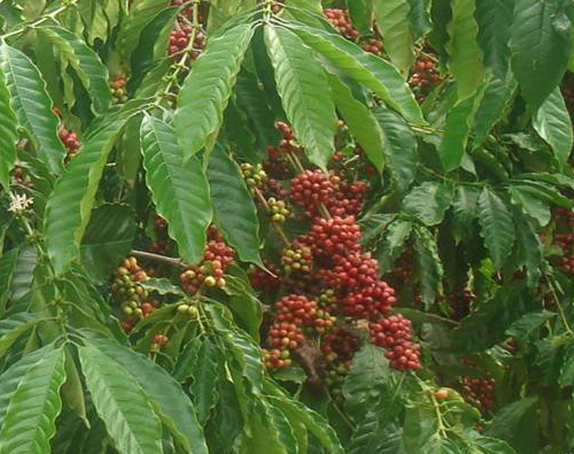
Freshness is one of the most critical yet overlooked aspects of coffee quality. When buying beans, check their color and size for consistency. Good coffee beans have a natural sheen and a strong, pleasant aroma—without any mustiness or off smells. A quick freshness test: squeeze the bean between your fingers. It should feel solid, not hollow. For an extra check, bite gently into a bean—it should make a crisp sound and taste fragrant, not stale. If the beans smell flat or cardboard-like, they’ve lost their peak flavor and aren’t worth buying.
Why Appearance Matters More Than You Think
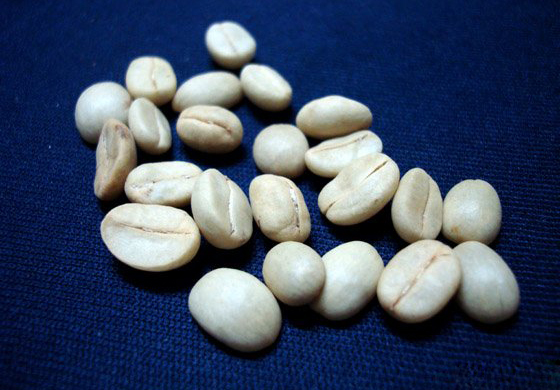
It might seem superficial, but the way roasted coffee beans look can tell you a lot about what’s inside. Premium beans are typically larger, evenly colored, and consistently shaped. They should be free from black or brown spots, cracks, or insect damage. Uniformity in size ensures even roasting and extraction. When beans are mixed with defective or off-grade beans, it can drag down the cup quality, no matter how good the rest of the batch is. A quick visual scan before you buy can help ensure you’re getting what you pay for.
Frequently Asked Questions
Why are some coffee beans so much more expensive than others?
Coffee bean prices vary due to factors like origin, growing conditions, harvest yield, and market demand. Specialty beans grown in regions like Ethiopia or Kenya often cost more due to limited supply, manual harvesting, and unique flavor profiles. Global issues like climate change, crop disease, and political instability also impact availability and pricing. Additionally, beans traded on futures markets can see price swings based on speculation.
What makes a coffee bean high quality?
High-quality coffee beans are typically uniform in size and color, with a smooth, plump appearance and no visible defects. They should have a rich, natural aroma and feel solid when squeezed. Freshness is key—beans should not smell stale or musty. Visually, good beans show no cracks, insect damage, or inconsistent coloring, all of which can negatively affect flavor and brewing performance.
Does coffee bean size affect taste?
Yes, bean size can influence roast consistency and extraction. Uniformly sized beans roast more evenly, leading to balanced flavor development. Smaller or irregular beans may roast unevenly, resulting in underdeveloped or over-roasted sections that impact the final cup. That’s why premium roasters often sort beans by size before roasting.
How can I tell if coffee beans are fresh?
Fresh coffee beans have a vibrant, oily sheen (depending on roast level), a strong and pleasant aroma, and feel firm when squeezed. They should make a crisp sound when bitten, not be hollow or crumbly. Stale beans often smell flat, musty, or cardboard-like. Always check roast dates—beans are best used within 2–4 weeks after roasting for optimal flavor.
Why do coffee prices fluctuate so much?
Coffee is one of the most traded global commodities, and its price is affected by supply and demand, weather events, crop diseases, and geopolitical issues. Futures trading also introduces volatility, as investors speculate on future prices. A bad harvest in Brazil or Vietnam—the world’s top producers—can send global prices soaring, while surplus crops can drive them down.
Recommended FrontStreet Coffee for Single-Origin Lovers
Try FrontStreet Coffee’s Ethiopia Humbera for bright citrus and floral notes, or their Yirgacheffe offering with juicy berry and stone fruit layers. Both are single-origin beans that highlight why quality and origin matter—and why some beans command higher prices. For something more classic, their PWN Golden Mandheling delivers full body and sweet spice. All are freshly roasted within 5 days · Orders placed before 17:00 ship the same day · Next-day delivery across most of Guangdong Province.
FrontStreet Coffee is a long-established specialty coffee roaster in Guangzhou China, selling freshly roasted beans from its own farm in Yunnan as well as dozens of carefully selected single-origin beans from around the world for both pour-over and espresso. The products deliver consistently excellent quality and great value, with shipping within 24 hours. Guangzhou's FrontStreet Coffee shop is recommended by many coffee lovers, and the beans are now available online at the Tmall 。
Important Notice :
前街咖啡 FrontStreet Coffee has moved to new addredd:
FrontStreet Coffee Address: 315,Donghua East Road,GuangZhou
Tel:020 38364473