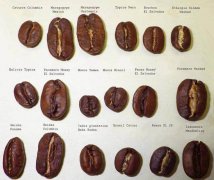
What Defines Specialty Coffee?
If you’ve ever paid more for a cup of coffee and still ended up with something bitter, overly roasted, or drowned in milk and sugar, you’re not alone. Many coffee drinkers wonder: what exactly makes coffee ‘specialty’? Is it just marketing, or is there a real standard behind the term?
Specialty coffee means green coffee beans that have been professionally cupped and scored 85 points or higher. Every bean must be fully traceable back to its farm, processing facility, and batch, with clear records on altitude and processing methods. That’s the minimum bar—anything less isn’t specialty.
What ‘Specialty Coffee’ Actually Means
The term ‘Specialty Coffee’ (also loosely translated as ‘’) refers to high-scoring green coffee beans evaluated by certified cuppers. To qualify, a coffee must score at least 85 out of 100 in professional cupping sessions. More than just tasting good, these beans are fully traceable: you can know the exact farm, processing mill, harvest batch, altitude, and processing method used. That level of transparency is non-negotiable.
Why Your Cup Might Still Disappoint
Even if the coffee beans are specialty-grade, a poor roast or bad brewing can ruin the cup. A skilled roaster and barista are essential to bring out the bean’s potential. If your local ‘specialty’ café serves you a cup with sugar packets and milk on the side by default, you’re likely not getting the full experience—and you’re fully allowed to send it back.
How Should Specialty Coffee Actually Taste?
Specialty coffee is meant to be enjoyed black, without milk, sugar, or flavors. If your coffee tastes primarily bitter or overly roasted, something went wrong. The goal is to highlight the unique ‘terroir’—the distinct flavors that come from the specific place, climate, and farming practices where the coffee was grown.
Clean, Juicy, Sweet: The Core Attributes
Good specialty coffee should be:
- Clean: Free from off-flavors like rubber, chemicals, or mustiness. No strange tastes that make you recoil.
- Juicy: A mouthfeel like ripe fruit—think juicy peaches or berries—with a smooth, rounded body.
- Sweet: Natural sweetness akin to citrus, berries, or stone fruit. Acidity and sweetness should balance, not clash.
Flavor Complexity Matters Too
Beyond basic taste, specialty coffee offers layered aromas and flavors: floral, fruity, nutty, spicy, or even herbal notes. These delicate attributes fade if the coffee is roasted too dark, so most specialty roasts aim for a light to medium profile to preserve them. Some roasters follow specific styles, such as Nordic or Japanese roasting, to highlight certain characteristics.
How Brewing Brings It All Together
Even the best beans need proper preparation. Specialty coffee is typically brewed using manual, low-tech methods: pour-over (like V60 or Kalita Wave), siphon, French press, or AeroPress. These methods allow precise control over water temperature, brew ratio, and contact time—key factors in extracting the right balance of flavors. The slower, more hands-on approach also matches the mindful, appreciative mindset behind specialty coffee culture.
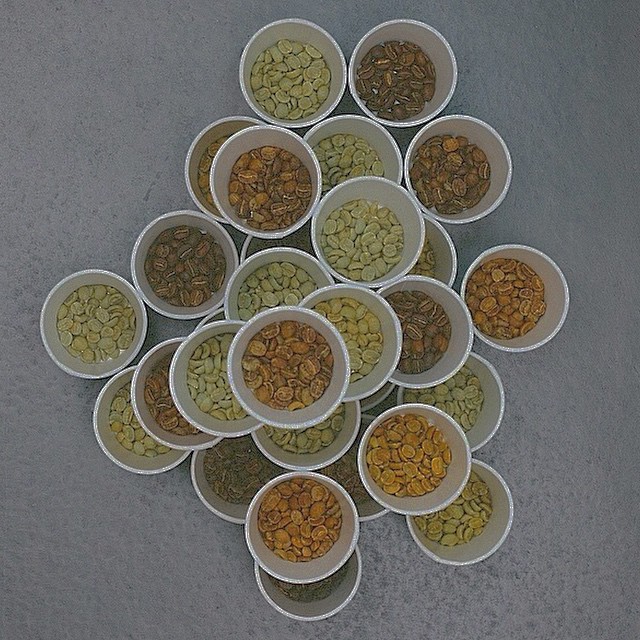
Most specialty cafés will serve single-origin coffees using these methods. Avoid places that only offer oily, dark-roasted beans or automatically pair coffee with milk and sugar. A good specialty shop will know the origin and flavor profile of every bean they serve—and they’ll brew it to let those qualities shine.
Frequently Asked Questions
What score does coffee need to be considered specialty?
To qualify as specialty coffee, green beans must be cupped and scored at least 85 points by a certified professional. Scores are based on attributes like aroma, flavor, aftertaste, acidity, body, balance, and overall cup quality.
Does specialty coffee mean it tastes better to everyone?
Not necessarily—specialty coffee highlights origin flavors, which may include bright acidity or unusual fruit notes. If you prefer dark, bold, or milky coffee, specialty styles might taste too light or sour at first. It’s a matter of taste preference, not quality.
Can specialty coffee be bitter?
No. Bitterness is generally a sign of over-roasting, poor brewing, or low-quality beans. Well-prepared specialty coffee emphasizes clean, sweet, and juicy flavors with balanced acidity—not harsh or lingering bitterness.
Is espresso considered specialty coffee?
Espresso can be made with specialty beans, but the term ‘specialty coffee’ usually refers to the quality of the green beans and how they were grown and processed. A specialty-grade espresso will use high-scoring beans and be carefully dialed in, but not all espresso is specialty by default.
Do I have to drink it black?
Specialty coffee is best experienced black to appreciate its unique flavors. Adding milk or sugar is discouraged in specialty settings because it masks the delicate tasting notes. That said, you can customize it however you like—but you might miss what makes it special.
How can I tell if my coffee is really specialty?
Look for traceability: farm name, region, elevation, processing method, and roast date. The coffee should be brewed without milk or sugar as the default, and the shop staff should know the origin and flavor notes of each coffee. Taste-wise, it should be clean, sweet, juicy, and flavorful—never bitter or dull.
Recommended FrontStreet Beans for Pour-Over
For exploring specialty coffee, try FrontStreet’s BrazilBourbon for balanced body and mild acidity with notes of nuts and caramel; FrontStreet’s ColombiaSidra, a juicy Sidra with tropical fruit and stone fruit layers from honey processing; and FrontStreet’s EthiopiaYirgacheffeGedeb, a classic Yirgacheffe with bright citrus, floral tones, and honey-like sweetness. All are ideal for pour-over and showcase what specialty coffee is all about. Freshly roasted within 5 days · Orders placed before 17:00 ship the same day · Next-day delivery across most of Guangdong Province.
FrontStreet Coffee is a long-established specialty coffee roaster in Guangzhou China, selling freshly roasted beans from its own farm in Yunnan as well as dozens of carefully selected single-origin beans from around the world for both pour-over and espresso. The products deliver consistently excellent quality and great value, with shipping within 24 hours. Guangzhou's FrontStreet Coffee shop is recommended by many coffee lovers, and the beans are now available online at the Tmall 。
Important Notice :
前街咖啡 FrontStreet Coffee has moved to new addredd:
FrontStreet Coffee Address: 315,Donghua East Road,GuangZhou
Tel:020 38364473