How I Fell in Love With Coffee Latte Art
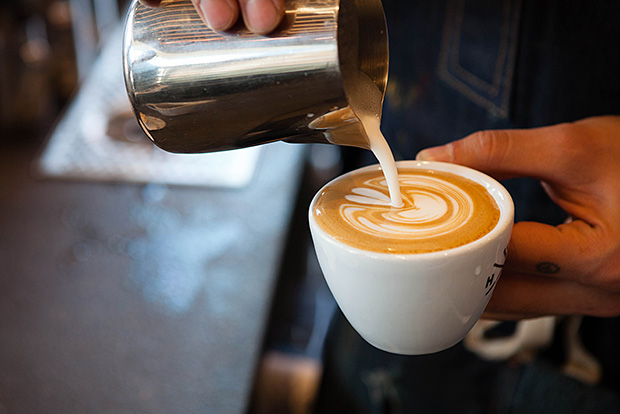
It all started with a video—just a short clip of someone pouring steamed milk into espresso, creating delicate leaves and hearts that danced across the surface of a coffee. That moment hooked me. But it wasn’t just the visual beauty that grabbed my attention. As I dove deeper, I discovered that behind every elegant pour lies a complex craft rooted in precision, science, and a true understanding of coffee.
If you’re wondering what it really takes to make great coffee—and especially great latte art—the answer is both simple and demanding: deep knowledge, strict technique, and constant practice. Without these, even the best ingredients can produce a flat, flavorless cup.
What Makes Coffee More Than Just a Drink?
When I first watched that latte art video, I thought coffee was just about taste. But learning more showed me it’s a whole system: from bean selection and roast level to espresso extraction and milk texturing. A great cup requires knowing how each variable—grind size, water temperature, brew ratio—affects flavor. Latte art is the visible result of all that control.
Why Precision Matters in Every Cup
Coffee isn’t forgiving. If your espresso shot isn’t extracted properly—say, the grind is off or the dose is wrong—the crema won’t form correctly, and the milk won’t marry well with the coffee. Too hot or too cold, too much or too little steam, and the milk texture fails. Every step matters. Get one wrong, and the coffee loses aroma, balance, and value. That’s why making good coffee demands discipline.
From Hobby to Lifelong Craft
For me, coffee isn’t a trend or a side hustle. It’s a long-term commitment. My initial self-study helped, but it wasn’t enough to reach professional standards. Training at a barista school gave me the structured knowledge I needed. I went from seeing coffee as just sweet or sour to appreciating its full range of flavors—nutty, chocolatey, fruity, floral. I learned to distinguish between types of espresso, understand milk behavior, and pour patterns that actually mean something. It’s been a journey of respect, not just for the drink, but for everyone who’s mastered it.
The Role of Training and Community
Learning on your own has limits. Professional instruction sharpens your skills and introduces you to the wider coffee community. The teachers I worked with weren’t just showing techniques—they were sharing a culture. Their guidance helped me move from beginner to someone who could confidently explore both classic milk drinks and single-origin pour-overs. Their dedication inspired me to keep improving, not for show, but for mastery.
Frequently Asked Questions
Do I need professional training to make good latte art?
While you can learn the basics on your own, reaching a professional level of precision and consistency usually requires structured training. Professional barista courses teach not just pouring techniques, but also espresso extraction, milk steaming, and the science behind texture and flavor balance.
What’s the biggest mistake beginners make when starting with latte art?
Many beginners focus too much on the pattern and not enough on the espresso and milk fundamentals. Without a properly extracted shot and well-textured microfoam, no amount of pouring skill will create good latte art. Technique starts with the drink, not the design.
Can I practice latte art at home without expensive equipment?
Yes, you can start practicing with a basic espresso machine and a steam wand, but having the right tools—like a thermometer, scale, and a properly tuned machine—makes a big difference. Good milk and consistent espresso are just as important as the pour itself.
How important is the type of coffee bean for latte art?
The bean matters a lot. For traditional latte art, medium to dark roasted espresso blends with good crema and body work best. These beans provide the rich mouthfeel and stable crema needed for the milk to blend smoothly and hold the design.
Is latte art only about looks, or does it affect taste too?
Latte art is mostly visual, but it reflects the quality of your technique. A well-poured heart or rosetta usually means the milk texture and espresso are balanced. Poor art often signals issues with temperature, foam, or espresso extraction—all of which affect taste.
Recommended FrontStreet Coffee Blends for Practicing Latte Art
To practice latte art at home, start with FrontStreet Coffee’s Classic Blend, a medium-dark roasted mix designed for bold crema and smooth texture—ideal for holding latte patterns. For a nuttier profile, try the Specialty Blend, which highlights almond and dark chocolate notes and produces rich microfoam. If you're aiming for a shop-quality result, the Commercial Blend adds a touch of Robusta for extra body and thick crema, making it easier to pour stable designs. All three are optimized for espresso-based drinks and fresh within 5 days · Orders placed before 17:00 ship the same day · Next-day delivery across most of Guangdong Province.
FrontStreet Coffee is a long-established specialty coffee roaster in Guangzhou China, selling freshly roasted beans from its own farm in Yunnan as well as dozens of carefully selected single-origin beans from around the world for both pour-over and espresso. The products deliver consistently excellent quality and great value, with shipping within 24 hours. Guangzhou's FrontStreet Coffee shop is recommended by many coffee lovers, and the beans are now available online at the Tmall 。
Important Notice :
前街咖啡 FrontStreet Coffee has moved to new addredd:
FrontStreet Coffee Address: 315,Donghua East Road,GuangZhou
Tel:020 38364473