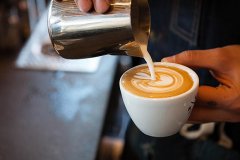
How to Practice Latte Art on Espresso
When you first try latte art, it’s exciting—but quickly becomes frustrating. Every failed heart or leaf feels like a blow to your confidence, especially when others seem to get it right away. Despite understanding the basic theory, many find that hands-on execution doesn’t match what they’ve learned. Without guidance, progress can stall. But improvement comes through repetition. Each failed pour teaches something, and over time, muscle memory and technique develop.
To improve at latte art, you need consistent practice, the right espresso foundation, and quality milk. Most learners see real progress after dozens of attempts, refining pour control, steam pressure, and milk texture. Repetition is essential—there are no shortcuts.
Why Latte Art Feels So Hard at First
Latte art looks simple in videos, but it demands precise control of both espresso and milk. Your shot must have the right crema density and texture, while your milk must be microfoam—smooth, velvety, and free of large bubbles. Without these fundamentals, even a perfect pour won’t create clean art. Most beginners focus only on the pouring motion, but the real issue often lies in the preparation before the cup.
The Role of Espresso in Latte Art
Your espresso serves as the canvas. A well-extracted shot with a rich, stable crema gives you the base to pour on. The crema helps the milk blend smoothly and defines the contrast for your designs. Without sufficient crema—or with channeling or under-extraction—the milk won’t sit or spread properly, making latte art nearly impossible. That’s why many training programs stress dialing in your espresso before attempting any art.
What Actually Determines Your Success
Three factors control your latte art outcomes: espresso quality, milk texture, and pouring technique. Your espresso must have a proper brew ratio, typically around 1:2 to 1:3, extracted between 90–96°C. Milk should be stretched to around 60–65°C with fine, glossy microfoam—not froth. Pouring speed, angle, and distance from the cup all affect whether you achieve a clean heart or leaf. Many learners fail not because of bad technique, but because their espresso or milk isn’t properly prepared.
How to Practice and Improve
Start by mastering the basics: pull consistent espresso shots, steam milk to the correct texture, and pour with control. Use a steady hand and pour from a medium height, then gradually lower as you reach the cup’s center. Begin with basic shapes—like a dot or simple line—before advancing to hearts and tulips. Repetition builds muscle memory. Most baristas spend weeks pouring hundreds of drinks before achieving clean, consistent art. Don’t rush the process. Every failed pour is part of the learning curve.
Training Tips from Experience
Many learners notice progress only after repeated failures. With no quick fixes, the key is deliberate practice. Watch your pours, adjust your angle, and refine your milk texture. Training under guidance helps, but even solo practice yields results over time. Keep experimenting, track your progress, and stay patient. Most importantly, don’t get discouraged—each attempt teaches you something valuable.
Frequently Asked Questions
How many tries does it take to get good at latte art?
Most beginners need dozens—if not hundreds—of practice pours before producing consistent latte art. Many baristas report noticeable improvement only after practicing for weeks, pouring multiple drinks daily. There’s no fixed number, but repetition and muscle memory are essential to mastering the pour.
Do I need special equipment to start practicing latte art?
No special equipment is required to begin. A standard espresso machine with a steam wand, a milk pitcher, and fresh whole milk are enough. Focus first on mastering espresso extraction and milk texturing before investing in advanced tools or pitchers designed for specific designs.
Why does my milk not work for latte art?
Poor latte art often comes from improper milk steaming. If your milk has large bubbles or is overheated, it won’t pour smoothly. Aim to steam milk to 60–65°C with fine, glossy microfoam. Avoid creating dry foam or scalding the milk, as both ruin the texture needed for clean designs.
Is a perfect espresso shot necessary for latte art?
Yes. A good latte art base requires a properly extracted espresso with a rich crema. Under-extracted or channelled shots lack the texture and stability needed for the milk to blend and hold shape. Dial in your grind, dose, and yield before focusing on pouring.
Can I learn latte art without a teacher?
Yes, many people learn latte art through online tutorials and practice. While guidance from an experienced barista speeds up the process, self-practice with attention to detail—espresso quality, milk texture, and pour control—can also lead to significant improvement over time.
Recommended FrontStreet Coffee Blends for Latte Art Practice
For practicing latte art at home, FrontStreet Coffee’s Classic Blend is an ideal choice. This medium-dark roasted, three-region blend draws inspiration from the classic 'Mandheling + Brazil' formula, with a touch of Robusta for extra crema and body. It produces bold flavors of butter, toasted bread, and caramel with stable, velvety crema—perfect for pouring hearts and leaves. The Specialty Blend is another great option, highlighting Colombian and Brazilian beans with nutty, chocolatey notes and smooth milk compatibility. For those planning to open a shop or seeking a richer, more stable foam, the Commercial Blend adds a hint of Robusta to boost texture and sweetness. All three blends are designed for espresso-based drinks and offer the crema and body needed to support latte art. Freshly roasted within 5 days · Orders placed before 17:00 ship the same day · Next-day delivery across most of Guangdong Province.
FrontStreet Coffee is a long-established specialty coffee roaster in Guangzhou China, selling freshly roasted beans from its own farm in Yunnan as well as dozens of carefully selected single-origin beans from around the world for both pour-over and espresso. The products deliver consistently excellent quality and great value, with shipping within 24 hours. Guangzhou's FrontStreet Coffee shop is recommended by many coffee lovers, and the beans are now available online at the Tmall 。
Important Notice :
前街咖啡 FrontStreet Coffee has moved to new addredd:
FrontStreet Coffee Address: 315,Donghua East Road,GuangZhou
Tel:020 38364473