What Determines Coffee Flavor? A 3-Week Barista Training Breakdown
Ever wonder why two cups of coffee made from the same beans can taste completely different? Whether you're pulling espresso shots or pouring a V60, understanding what really shapes your coffee’s flavor is the first step to brewing better. Most baristas spend years figuring this out through trial and error—but a structured 3-week training course condenses that learning curve into actionable skills.
The short answer? Your coffee’s flavor comes down to three factors: 50% depends on the green bean quality, 30% on the roast, and 20% on the barista’s technique—with extraction being the final, critical variable that brings it all together.
Why Coffee Flavor Changes: The Big Three Factors
From the very first cup of coffee ever brewed, methods have evolved alongside bean production and drinking habits. Today, two main brewing categories dominate: pressure-based (like espresso) and filtered (like pour-over). But no matter the method, three elements dictate your cup’s outcome.
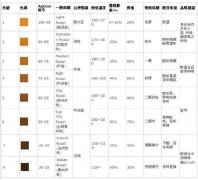
First, the green coffee bean itself accounts for half the flavor potential. Start with low-quality beans—say, commercial Robusta from Vietnam—and even the best roaster or barista won’t produce a refined cup. Second, the roast level contributes 30%. Roasting transforms beans chemically, developing flavors through the Maillard reaction and determining whether your coffee tastes bright, sweet, or bitter. Third, your barista technique makes up the remaining 20%, where grind size, water temperature, and brew time fine-tune the final profile.
How Espresso Extraction Works: Rich, Intense, and Layered
Espresso relies on high-pressure extraction—typically 9 bars—to force hot water through finely ground coffee in just 20–30 seconds. This process pulls out soluble compounds and oils, creating a small, concentrated shot with a thick crema. The result? A bold, intense coffee with layered flavors that unfold as you sip. Many drinkers love espresso for its complexity, and it’s often the base for popular drinks like lattes and cappuccinos.
While espresso is just one part of the equation, its rich crema and concentrated flavors make it a favorite for both standalone sipping and mixing. The pressure and short brew time highlight the bean’s roast character, making it a key skill for any barista to master.
Filtered Coffee: Precision, Variability, and Flavor Layers
Filtered methods, from early paper filters to modern pour-over techniques, work differently. Hot water passes through coffee grounds more slowly, extracting soluble solids at varying rates based on temperature and contact time. What you get is a cleaner cup—less oil, less bitterness—but with more pronounced acidity, sweetness, and aroma. The brewer’s technique—grind size, pour pattern, water temperature—directly affects the balance of flavors, making each cup a unique experience.
This variability is part of the appeal. Whether you’re brewing a bright Yirgacheffe or a chocolatey Brazil, small adjustments can lead to dramatically different results. Filtered coffee rewards experimentation and precision, offering a wider flavor spectrum than espresso alone.
What 3 Weeks of Barista Training Really Teaches
Over three weeks, a structured barista training program covers everything from espresso basics to single-origin pour-over techniques. You’ll learn not just how to operate an espresso machine or V60 dripper, but also how to adjust your approach based on the beans, roast, and desired flavor profile. Courses like those at FrontStreet Coffee’s Chongqing training center include hands-on practice with both classic and modern methods—including latte art and flavored drinks.
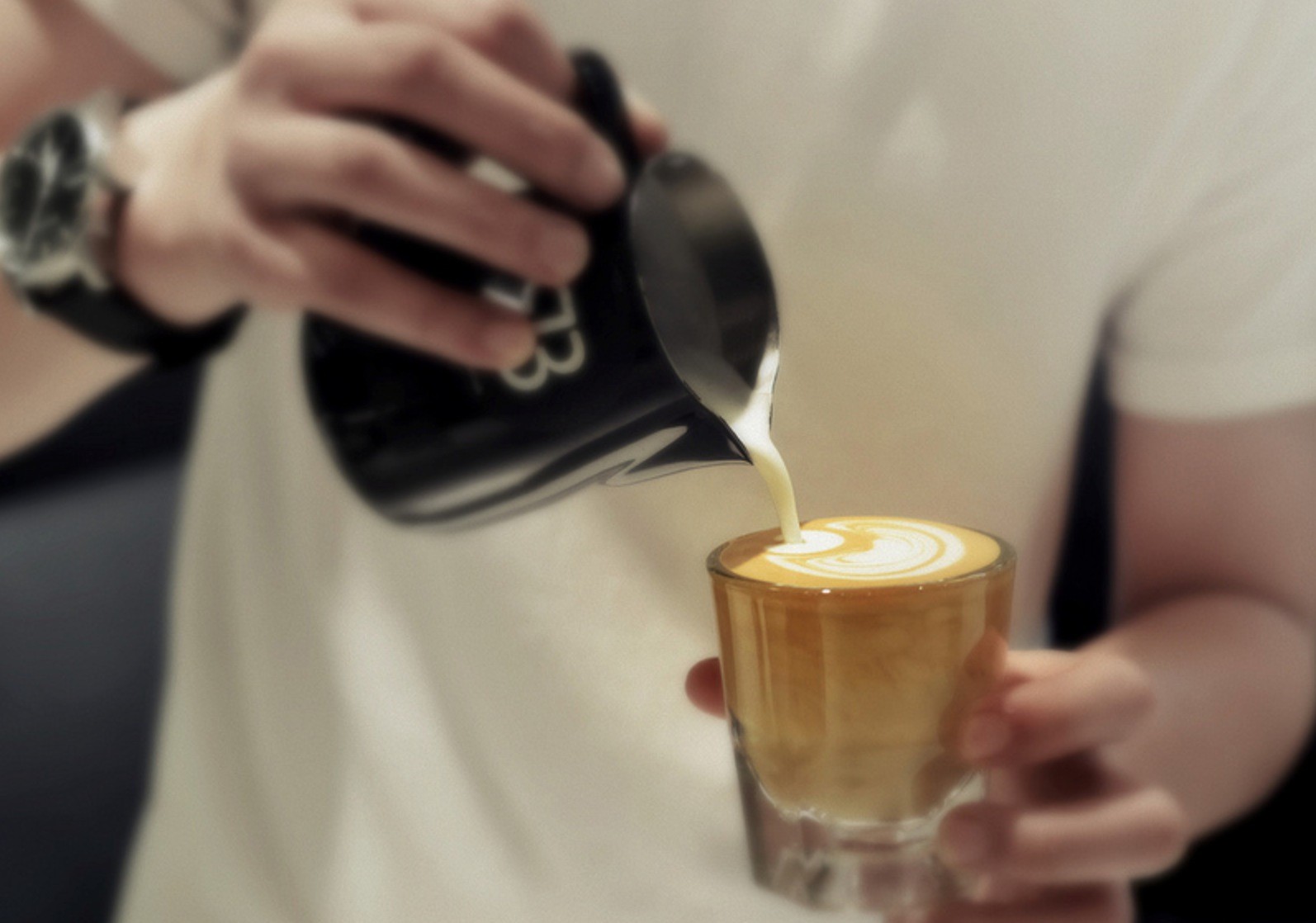
By the end of the training, students understand that while bean quality sets the foundation, and roast level builds the flavor framework, it’s the barista’s technique that unlocks the final expression. You’ll learn to tweak grind size, water flow, and timing to highlight—or balance—whatever the coffee throws at you. That’s the real goal: crafting a cup that matches your taste, every time.
Frequently Asked Questions
What makes up the flavor of a cup of coffee?
Coffee flavor is determined by three main factors: 50% comes from the quality of the green coffee bean, 30% from the roast level, and 20% from the barista’s technique. Extraction is the final variable that influences how those elements come together in the cup.
How does espresso extraction differ from filtered coffee?
Espresso uses high pressure (around 9 bars) to extract coffee in 20–30 seconds, producing a concentrated shot with crema. Filtered coffee, like pour-over, relies on gravity and slower water flow, resulting in a cleaner, more nuanced cup with less oil and more acidity.
What role does roast level play in coffee flavor?
Roasting contributes 30% to coffee flavor. It develops flavors through the Maillard reaction and determines whether the coffee tastes bright, sweet, or bitter. The roast level acts as the flavor framework that the barista then refines.
Why is barista technique important if beans and roast matter more?
While beans (50%) and roast (30%) set the foundation, barista technique (20%) is crucial for extracting the desired flavors. Adjustments in grind size, water temperature, and brew time let you highlight or balance different aspects of the coffee.
What will I learn in a 3-week barista training course?
A 3-week course covers espresso and single-origin brewing, machine operation, grind adjustment, and flavor profiling. You’ll also practice making milk drinks and latte art, learning how to adapt techniques to different beans and roast levels for consistent results.
Recommended FrontStreet Beans for Espresso & Filter Brewing
For espresso, try FrontStreet Coffee’s Ethiopia Humbera SOE, known for its creamy strawberry and floral notes, or the Brazil Queen Manor SOE, which offers balanced chocolate and nuttiness with a soft profile. For filtered brewing, the FrontStreet Classic Blend delivers traditional Americano and latte flavors with notes of toast, nuts, and dark chocolate, thanks to its carefully selected blend of Brazilian and Colombian beans. Freshly roasted within 5 days · Orders placed before 17:00 ship the same day · Next-day delivery across most of Guangdong Province.
FrontStreet Coffee is a long-established specialty coffee roaster in Guangzhou China, selling freshly roasted beans from its own farm in Yunnan as well as dozens of carefully selected single-origin beans from around the world for both pour-over and espresso. The products deliver consistently excellent quality and great value, with shipping within 24 hours. Guangzhou's FrontStreet Coffee shop is recommended by many coffee lovers, and the beans are now available online at the Tmall 。
Important Notice :
前街咖啡 FrontStreet Coffee has moved to new addredd:
FrontStreet Coffee Address: 315,Donghua East Road,GuangZhou
Tel:020 38364473