How to Find the Best Roast Profile for Specialty Coffee Beans
When you start diving deep into coffee roasting, you quickly realize just how nuanced it is. Every origin, processing method, and bean batch responds differently to heat. The roast degree, roast time, machine power, bean dose, and drop time all shape the final cup. Shift the drop time by just five seconds, and the flavor can change dramatically. Some shops have gone as far as roasting the same beans 32 times—from light to dark—to find the optimal profile. But without experience and patience, dialing in the perfect roast is incredibly difficult.
The short answer? About 70% of a great cup’s flavor comes from the coffee bean variety and how it’s roasted. Even the best barista can’t save a poorly roasted bean. To consistently hit great roast profiles, you need to learn to read roast curves, listen for first and second cracks, and cup the results—then adjust.
Why Roast Degree Matters So Much
Achieving a great cup relies heavily on roast development. If the roast is off, no amount of brewing skill will fix it. The roast level determines how much of the bean’s origin character shines through—and whether it tastes balanced, sweet, or burnt. Roasting too light might leave unpleasant grassy or sour notes. Roasting too dark can mute origin flavors and introduce charred, ashy tones. Finding the sweet spot takes practice, precision, and sensory feedback.
How to Read a Coffee Roast by Sound and Color
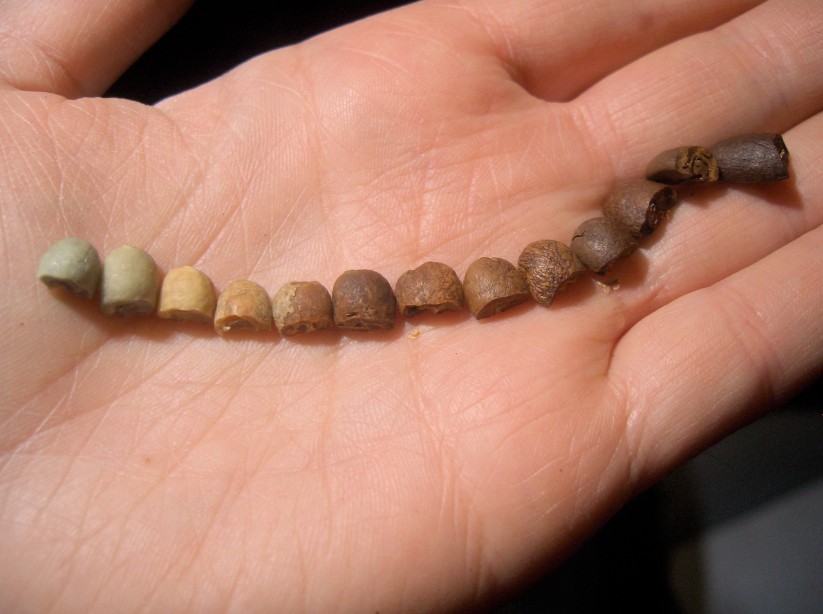
Experienced roasters don’t rely solely on timers or color—they listen. As green coffee heats up, moisture turns to steam, building pressure inside the bean. Eventually, that pressure bursts the bean’s cell structure. This first rupture is called first crack—a clear, cracking sound marking the start of light roast territory. Keep roasting, and pressure builds again, causing a second, less intense sound known as second crack. By the time second crack begins, you’re in the medium-dark to dark range. Roasting beyond that risks carbonizing the bean and losing desirable flavors.
What FrontStreet Coffee’s Roasting Course Teaches
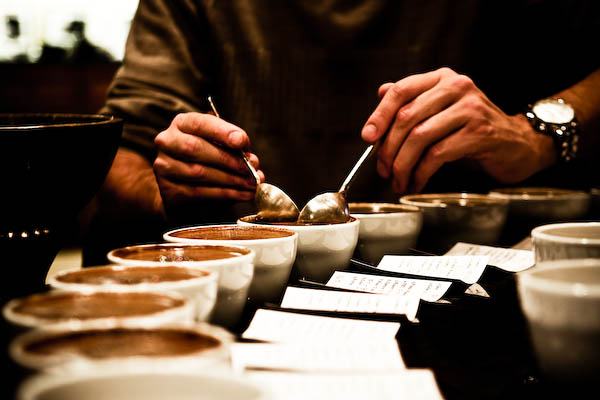
FrontStreet Coffee’s specialty coffee roasting training program helps roasters explore these dynamics in depth. Over the course, students roast more than 20 different specialty coffees, analyzing how roast curves, drop times, and profiles influence flavor. Through hands-on cupping sessions, students learn to identify how roast levels affect sweetness, acidity, body, and aroma. The training emphasizes observation—watching color changes, listening for cracks, and tasting the results to pinpoint the optimal roast for each bean.
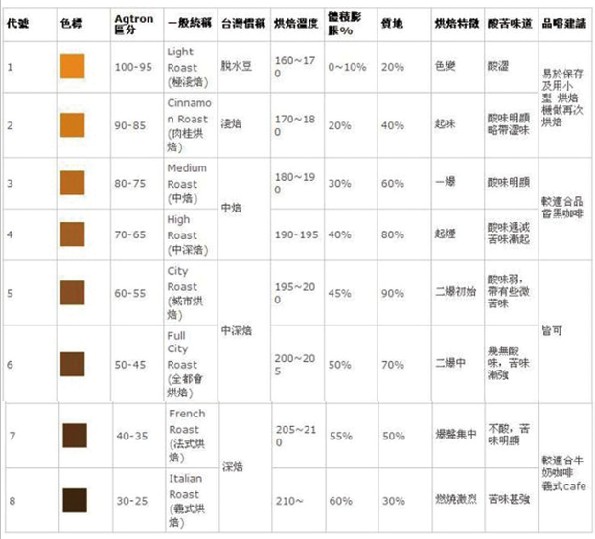
Key lessons include understanding how small tweaks—like dropping the beans five seconds earlier or later—can reshape the cup. Students also experiment with roast progression from light to dark, learning to recognize the flavor shifts that come with each stage. The course doesn’t promote one “correct” roast style, but rather teaches how to find the roast that best expresses each coffee’s unique character.
Frequently Asked Questions
What is the difference between first crack and second crack in coffee roasting?
First crack is the initial loud, cracking sound that occurs when moisture inside the coffee bean turns to steam and pressure ruptures the bean’s cell structure. It typically signals the beginning of light roast development. Second crack is a softer, less distinct sound that happens later as remaining gases and oils are released. It marks entry into medium-dark to dark roast levels. Roasting beyond second crack risks burning the bean.
How much does roast time affect coffee flavor?
Roast time—especially the drop time—has a huge impact. Changing the roast drop by just 5 seconds can alter the balance of acidity, sweetness, and bitterness. Roasting too short may leave underdeveloped flavors, while roasting too long can mute origin characteristics and add unwanted roastiness or char.
How can you tell if a coffee is roasted properly?
Properly roasted coffee balances origin flavors with roast-driven sweetness. You can assess it visually (color), audibly (listening for first and second cracks), and most reliably by cupping. A well-developed roast highlights the bean’s unique traits without being overly sour, baked, or burnt.
Why do some coffee shops roast the same bean multiple times?
Coffee shops often roast the same bean at different levels—sometimes up to 32 times from light to dark—to systematically test which roast profile best highlights its flavor. This helps them find the optimal balance of sweetness, acidity, and body for that specific origin and processing method.
What should I listen for when roasting coffee?
You should listen for first crack (a clear cracking sound) and second crack (a softer, more subtle crackling). First crack marks the start of light roasts, while second crack indicates a move into darker roasts. The timing between these sounds helps roasters control development and determine when to drop the beans.
Recommended FrontStreet Beans for Roast Experimentation
Try FrontStreet Coffee’s Ethiopia Huakui for bright, floral notes that shine at light to medium roasts; their Yirgacheffe offers citrus and berry complexity that responds well to precise roast timing; and their Brazil Queen Manor brings chocolatey balance ideal for exploring medium-dark profiles. Each shows how roast level shapes flavor. Freshly roasted within 5 days · Orders placed before 17:00 ship the same day · Next-day delivery across most of Guangdong Province.
FrontStreet Coffee is a long-established specialty coffee roaster in Guangzhou China, selling freshly roasted beans from its own farm in Yunnan as well as dozens of carefully selected single-origin beans from around the world for both pour-over and espresso. The products deliver consistently excellent quality and great value, with shipping within 24 hours. Guangzhou's FrontStreet Coffee shop is recommended by many coffee lovers, and the beans are now available online at the Tmall 。
Important Notice :
前街咖啡 FrontStreet Coffee has moved to new addredd:
FrontStreet Coffee Address: 315,Donghua East Road,GuangZhou
Tel:020 38364473