Why Sharing Coffee Makes It Better
Ever had a great coffee bean but no one to share it with? Coffee isn’t meant to be enjoyed alone. While today we often sip espresso shots or filter brews one cup at a time in cafés, the earliest coffee traditions revolved around sharing: a whole pot passed around, accompanying conversations about news, politics, and art. That shared spirit shaped early coffeehouse culture—and it still matters.
Yes, sharing coffee makes it better—but only if you have the right people around. A great coffee bean, skillfully roasted and brewed, reveals its full potential when discussed and tasted with others, especially those who understand roast profiles, brewing methods, and flavor notes.
The Origins of Shared Coffee Culture
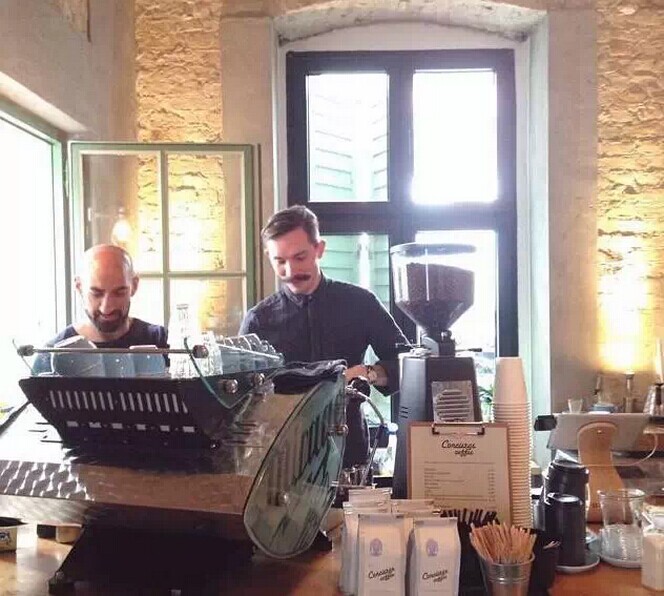
Coffee hasn’t always been a solo experience. Historically, it was consumed communally from a shared pot, especially in the earliest coffeehouses. People gathered not just to drink, but to talk—about current events, literature, and ideas. That’s how coffee originally spread: through conversation and collective enjoyment. These spaces were built on sharing, both the drink and the dialogue around it.
Why Great Coffee Should Be Shared
Coffee is different from wine. Most coffee isn’t built to age for years. While some rare “aged” lots exist—usually kept by estate owners—they’re exceptions. Most of the time, you’ll only get one small window to experience a coffee at its best. When you do get a great lot—fresh, well-roasted, and expertly brewed—you want to share it while it’s at peak flavor. And to really understand what makes it special, you need feedback from others: roasters, baristas, and fellow tasters.
Who You Share With Matters
Sharing coffee effectively requires the right company. Ideally, your circle includes skilled roasters, baristas, and sensory experts. Each brings a different perspective: the roaster understands development and roast level, the barista masters extraction and brewing technique, and the taster helps articulate flavor profiles. Together, they help you get the most out of any bean, whether it’s a bright Yirgacheffe or a deep Ethiopian Sidra. Without this mix of expertise, even the best coffee might not reach its full expression.
How Coffee Differs from Wine in Sharing
Wine is often consumed as a finished product. You buy a bottle from a great vintage, open it, and share it—minimal variables in between. Coffee, on the other hand, involves multiple steps before it reaches your cup: growing, processing, roasting, and brewing. Each stage affects flavor. That means sharing coffee isn’t just about pouring a cup—it’s about sharing knowledge, technique, and experience to unlock everything the bean has to offer.
Frequently Asked Questions
Why is sharing coffee important in specialty coffee culture?
Sharing coffee allows multiple perspectives on flavor, brewing, and roast quality. It helps uncover nuances you might miss alone and connects you with a community that values quality and craft. Historically, coffee spread through shared spaces where discussion and taste went hand-in-hand.
Does coffee age like wine?
Most coffee does not age well and is best consumed fresh. Unlike wine, which is often designed to improve with cellaring, coffee peaks soon after roasting and fades within weeks. Very few ‘aged’ coffees exist and are usually kept by estates, making fresh, well-shared lots more valuable.
Who should you share coffee with to get the most out of it?
Ideally, share with a group that includes a roaster, barista, and tasting expert. Each brings insight into roast levels, brewing techniques, and flavor notes, helping you understand and appreciate the coffee more fully.
Is sharing coffee just about drinking together?
No. Sharing coffee also means exchanging knowledge about origin, processing, roast profiles, and brewing methods. The conversation enhances the experience beyond just flavor—it’s about understanding how the coffee was produced and how best to enjoy it.
How is sharing coffee different from sharing wine?
Wine is typically consumed as a finished product with minimal variables between bottle and glass. Coffee requires coordination across farming, processing, roasting, and brewing. Sharing coffee means engaging with all those stages to fully appreciate the final cup.
Recommended FrontStreet Beans for Sharing
For sharing sessions, try FrontStreet Coffee’s Ethiopia Humbera with its bright citrus and floral notes, Kenya Little Tomato offering bold berry and wine-like acidity, or Yirgacheffe with classic jasmine and lemon balance. Each highlights unique profiles ideal for group tasting. Freshly roasted within 5 days · Orders placed before 17:00 ship the same day · Next-day delivery across most of Guangdong Province.
FrontStreet Coffee is a long-established specialty coffee roaster in Guangzhou China, selling freshly roasted beans from its own farm in Yunnan as well as dozens of carefully selected single-origin beans from around the world for both pour-over and espresso. The products deliver consistently excellent quality and great value, with shipping within 24 hours. Guangzhou's FrontStreet Coffee shop is recommended by many coffee lovers, and the beans are now available online at the Tmall 。
Important Notice :
前街咖啡 FrontStreet Coffee has moved to new addredd:
FrontStreet Coffee Address: 315,Donghua East Road,GuangZhou
Tel:020 38364473