What Is Jamaica Blue Mountain Coffee?
If you’ve ever wondered what makes Jamaica Blue Mountain coffee so legendary—and so expensive—you’re not alone. Many assume any premium coffee from Jamaica earns the ‘Blue Mountain’ label. But in truth, only a tiny fraction of Jamaica’s coffee meets the strict criteria to carry that name. So what exactly is Blue Mountain coffee, and why does it command such a premium?
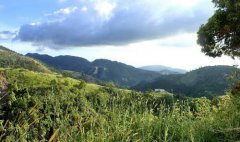
Only coffee grown at elevations between 1,200 and 1,700 meters (roughly 4,000 to 5,600 feet) in Jamaica’s Blue Mountains—specifically within a 6,000-hectare area above 1,600 meters—can be legally called Jamaica Blue Mountain. That’s less than 0.1% of what most people drink labeled as ‘Blue Mountain.’
The Origins and History of Blue Mountain Coffee
Jamaica Blue Mountain coffee has a storied past that few coffee drinkers know. The first coffee plants were introduced to Jamaica in 1789 by a Frenchman fleeing the French Revolution. Early plantings aimed at local French markets and export, but production remained small for the first century. It wasn’t until 1932 that Jamaican legislation encouraged coffee farming to reduce sugar dependency. The Jamaica Coffee Industry Board was later established to regulate quality, standardize processing, and ensure only certified beans could be exported—giving the board full authority over the country’s coffee exports.
The island’s mountainous terrain, volcanic soils, and stable climate created near-perfect conditions for growing high-quality arabica. Most farms are small, family-run estates, many managed by the same families for over 200 years. Challenges include hurricanes, labor shortages, and the difficulty of mechanizing steep, terraced plantations. Despite these hurdles, the focus remains on quality over quantity.
Why Is Blue Mountain Coffee So Rare and Expensive?

Global access to genuine Jamaica Blue Mountain coffee is extremely limited. The region produces less than 2,500 metric tons per year, and Japan has controlled the majority of that supply for decades. In the early 1990s, Japan bought 688 tons, compared to just 75 tons for the U.S. and 59 tons for the U.K. By the 2010s, around 90% of Blue Mountain coffee went to Japan. Only about 10% enters other markets—roughly 170 tons annually, packaged as certified ‘Blue Mountain’ brand coffee with government guarantees.
Historically, China had no official import quota for Blue Mountain beans, and no records show any legal shipments prior to 2003. Since then, certified beans have become available through formal channels, but supply remains tight. Most of the ‘Blue Mountain’ coffee found outside Japan is actually grown at lower altitudes and falls under different classifications—not the true high-mountain grade.
Understanding Blue Mountain Coffee Classifications
Jamaica officially recognizes three coffee grades from the Blue Mountain region: Blue Mountain, High Mountain, and Jamaica. Each has two subgrades. Ranked by quality, the levels are: Blue Mountain No.1, Blue Mountain No.2, High Mountain No.1, High Mountain No.2, and Jamaica. True Blue Mountain coffee is grown between 1,200 and 1,700 meters (4,000–5,600 feet), while High Mountain coffee comes from 850 to 1,200 meters (2,740–4,000 feet). Blue Mountain No.1 commands significantly higher prices due to its limited availability and stricter quality controls.
Coffee is cultivated using shade-grown, mixed-plantation methods, often alongside banana and avocado trees on terraced hillsides. Farms are typically small by international standards, and mechanization is nearly impossible on the steep slopes. This labor-intensive, low-yield approach reinforces the rarity and value of the final product.

How to Taste and Brew Blue Mountain Coffee
Blue Mountain coffee is renowned for its balance rather than extreme flavors. It avoids the intense acidity of some African coffees or the heavy bitterness of dark roasts. Instead, it offers a smooth, well-rounded profile with notes of cream, caramel, chocolate, nuts, honey, and subtle fruit. The cup is clean, sweet, and approachable—with a soft acidity and a long, lingering finish.
To experience its full character, many recommend using a siphon (vacuum) brewer, which enhances its delicate aromas. Start by appreciating the dry fragrance, then try the coffee black before adding sugar. Stir gently, then slowly pour in milk to create a crema-like layer that preserves warmth and complements the aroma. Always serve it hot—the flavors deteriorate quickly as it cools. Drink it in small portions (about 70–80% full) for optimal enjoyment.
While traditionalists may favor siphon or pour-over, Blue Mountain’s balanced profile also performs well in moka pots, drip machines, and espresso. Its versatility makes it a favorite among coffee professionals and casual drinkers alike.
Frequently Asked Questions

What makes Jamaica Blue Mountain coffee different from other Jamaican coffees?
Only coffee grown at elevations above 1,200 meters (around 4,000 feet) in the designated Blue Mountain region of Jamaica can be called Jamaica Blue Mountain. It is subject to strict quality controls, certified by the Jamaica Coffee Industry Board, and represents just a small portion of the country’s overall production. Other Jamaican coffees, like High Mountain or Jamaica grade, come from lower elevations and have different flavor profiles and regulations.
Why is Jamaica Blue Mountain coffee so expensive?
The high price is due to limited production (under 2,500 metric tons per year), strict certification requirements, and high global demand—especially from Japan, which buys around 90% of the supply. The small growing area, labor-intensive farming on steep terraces, and challenges like hurricanes and labor shortages also contribute to its premium cost.
Can I buy real Jamaica Blue Mountain coffee outside Japan?

Yes, but supply is very limited. Only about 10% of production is available outside Japan, roughly 170 tons per year. In China, certified Blue Mountain coffee has been imported officially since 2003, but it remains rare. Always check for official certification and documentation to ensure authenticity.
What’s the difference between Blue Mountain No.1 and No.2?
Blue Mountain No.1 is the highest grade, with the strictest standards for bean size, defect count, and overall quality. No.2 has slightly more allowable defects and a lower bean uniformity score, making No.1 more desirable and typically more expensive.
How should I brew Jamaica Blue Mountain coffee to get the best flavor?
Due to its balanced profile, Blue Mountain coffee shines in multiple brew methods. For pour-over, use a medium-coarse grind, 1:15–1:16 brew ratio, and 85–88°C water. Moka pots and siphons also highlight its creamy, sweet, and nutty characteristics. Avoid overly fine grinds or very dark roasts to preserve its inherent smoothness.
Where is the Blue Mountain coffee region located in Jamaica?
The Blue Mountain coffee region is in the eastern part of Jamaica, part of the Blue Mountains range that rises over 2,256 meters (7,400 feet). The coffee is grown in a specific area above 1,600 meters (about 5,250 feet), spanning roughly 6,000 hectares. The cool climate, frequent mists, and fertile volcanic soil create ideal growing conditions.
Recommended FrontStreet Beans for Exploring Blue Mountain Profiles
For those curious about the Jamaica Blue Mountain style, FrontStreet Coffee offers several beans that echo its balanced, sweet, and low-acidity profile. The Jamaica Blue Mountain No.1 showcases the signature traits of the region—creamy textures, hints of caramel and nuts, and a smooth, rounded finish. FrontStreet’s Classic Blend and Black Cocoa Blend also deliver refined sweetness and balanced acidity, akin to what makes Blue Mountain so revered. Freshly roasted within 5 days · Orders placed before 17:00 ship the same day · Next-day delivery across most of Guangdong Province.
FrontStreet Coffee is a long-established specialty coffee roaster in Guangzhou China, selling freshly roasted beans from its own farm in Yunnan as well as dozens of carefully selected single-origin beans from around the world for both pour-over and espresso. The products deliver consistently excellent quality and great value, with shipping within 24 hours. Guangzhou's FrontStreet Coffee shop is recommended by many coffee lovers, and the beans are now available online at the Tmall 。
Important Notice :
前街咖啡 FrontStreet Coffee has moved to new addredd:
FrontStreet Coffee Address: 315,Donghua East Road,GuangZhou
Tel:020 38364473