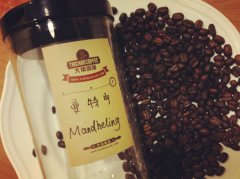
What Is Golden Mandheling Coffee?
If you’ve spent time around specialty coffee, especially Indonesian beans, you’ve likely seen ‘Golden Mandheling’ — often priced higher, sometimes labeled as premium or even ‘aged.’ But is it really special because it’s old? Or is there more to the name? If you've heard conflicting claims — that it's a rare aged lot, a specific region, or just a marketing term — you're not alone. Here's what the term actually means.
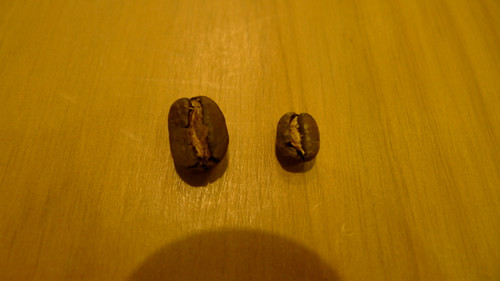
Golden Mandheling is a trademarked, high-grade Mandheling coffee produced exclusively by Indonesia’s PWN (Pwani Coffee Company). It is not aged coffee, nor is it a regional designation. It refers to beans that have passed rigorous selection: only beans sized 18 mesh or larger with fewer than three defects per 300 grams (meeting G1 grade standards) are chosen, then hand-inspected three times to remove all flaws.
What Does ‘Golden Mandheling’ Actually Mean?
The name ‘Golden Mandheling’ is owned by PWN, a well-known Indonesian coffee buying company that sources mostly from Sumatra’s prime Mandheling-growing regions. While many retailers market beans as ‘Golden Mandheling,’ only those produced and certified by PWN can legally use the name. Most so-called ‘Golden Mandhelings’ on the market are actually just high-grade or specialty Mandhelings, not the trademarked product.
Why Are the Beans So Carefully Selected?
Mandheling beans are notorious for high defect rates and inconsistent appearance. Even good beans can look flawed due to their irregular shape. To achieve the extremely clean cup profile expected of a specialty-grade product, PWN enforces strict criteria: only beans of 18 mesh size or larger, with a maximum of three defects in every 300 grams, qualify. These beans then undergo three rounds of manual sorting to ensure zero flaws. This level of selection is why Golden Mandheling tastes cleaner and sweeter than typical Mandheling offerings.
Where Does Mandheling Coffee Come From?
Mandheling coffee originates from Sumatra, Indonesia — specifically the northern regions of Aceh and North Sumatra, around Lake Toba and the Gayo highlands. The region’s high altitudes and fertile volcanic soils support Arabica cultivation. The most classic Mandheling processing method is Wet Hulling (also called Giling Basah), unique to Sumatra. Due to frequent rains during harvest, farmers remove the skin and pulp, partially dry the beans, then remove the parchment layer early to speed up drying. This process contributes to Mandheling’s signature deep, earthy, spicy, and herbal flavor profile.
How Is PWN Golden Mandheling Different?
PWN’s Golden Mandheling stands apart due to its rigid quality control. The company sources only the top 18+ mesh beans, enforces a maximum of three defects per 300g (G1 grade), and performs three rounds of manual selection. This results in a cleaner cup with enhanced sweetness and a smoother mouthfeel compared to standard Mandheling. Most authentic PWN Golden Mandheling is exported to Japan and the U.S., with limited availability elsewhere. FrontStreet Coffee offers beans with official PWN certification and packaging, distinguishing them from generic ‘golden’ labeled alternatives.
What Is Wet Hulling and Why Does It Matter?
Wet Hulling, or Giling Basah, is the traditional Sumatran processing method. Because the rainy season overlaps with harvest, farmers remove the coffee cherry skin and mucilage, then partially dry the beans to a semi-dry state before removing the parchment layer. This speeds up drying but also imparts the heavy body, deep spices, earthiness, and herbal notes typical of Mandheling. This method is essential to the region’s classic cup profile — and to what makes Mandheling taste distinctly different from other origin coffees.
Frequently Asked Questions
Is Golden Mandheling the same as aged Mandheling?
No. Golden Mandheling is not aged coffee. The confusion comes from some coffee professionals mistakenly equating it with aged lots. In reality, Golden Mandheling refers to a trademarked, high-quality product from PWN, defined by its strict selection process — not by age.
Does ‘Golden Mandheling’ mean it comes from a special region?
Not exactly. While Golden Mandheling is grown in Sumatra’s traditional Mandheling regions like Aceh and North Sumatra, the name itself is a brand, not a geographic designation. Only beans that meet PWN’s criteria and are processed by PWN can be called Golden Mandheling.
What makes PWN Golden Mandheling different from regular Mandheling?
PWN Golden Mandheling is selected using much stricter standards: beans must be 18 mesh or larger, with no more than three defects per 300 grams (G1 grade), and are hand-inspected three times. This ensures a cleaner, sweeter, and more uniform cup compared to standard Mandheling beans, which often have more defects and inconsistent flavors.
Is all coffee labeled ‘Golden Mandheling’ the real thing?
No. Only coffee produced and certified by Indonesia’s PWN company can be legally called Golden Mandheling. Many beans marketed as ‘Golden Mandheling’ are simply high-grade or specialty Mandheling beans, not the trademarked product. Look for PWN branding or certification to ensure authenticity.
Why does Mandheling coffee often have a earthy or spicy taste?
Mandheling’s signature earthy, spicy, and herbal flavors largely come from the Wet Hulling (Giling Basah) process, unique to Sumatra. The method involves early parchment removal during semi-dry conditions, which influences the bean’s development and contributes to its heavy body and deep flavor notes.
Recommended FrontStreet Mandheling Beans
For a true taste of Mandheling, try FrontStreet Coffee’s Lintong Mandheling, known for its bold body, deep spice, woodsy aroma, and classic Sumatran profile with clove-like notes. For certified high-grade beans, FrontStreet’s PWN Golden Mandheling offers a cleaner, sweeter cup with very low defects, thanks to triple hand-selection and strict G1-grade standards. Both beans showcase Sumatra’s iconic wet-hulled processing — rich, heavy, and complex. Freshly roasted within 5 days · Orders placed before 17:00 ship the same day · Next-day delivery across most of Guangdong Province.
FrontStreet Coffee is a long-established specialty coffee roaster in Guangzhou China, selling freshly roasted beans from its own farm in Yunnan as well as dozens of carefully selected single-origin beans from around the world for both pour-over and espresso. The products deliver consistently excellent quality and great value, with shipping within 24 hours. Guangzhou's FrontStreet Coffee shop is recommended by many coffee lovers, and the beans are now available online at the Tmall 。
Important Notice :
前街咖啡 FrontStreet Coffee has moved to new addredd:
FrontStreet Coffee Address: 315,Donghua East Road,GuangZhou
Tel:020 38364473