What Are Coffee Peaberry Beans?
Ever wondered why some single coffee beans look perfectly round while others have a flat side? That’s not just a random quirk — it’s the difference between a peaberry and a regular flat bean. If you’ve spotted small, round beans in your bag or seen them sold at a premium, you’re not alone. But what exactly is a peaberry, and is it really worth the hype?
A typical coffee cherry contains two flat-sided seeds — the flat bean. Around 5% of the time, one seed doesn’t develop fully, and the remaining one grows alone into a rounded, oval-shaped peaberry. That’s the whole story: no magic, no superior genetics — just a fluke in bean development.
What Is a Coffee Peaberry Bean?
In every coffee cherry, there are usually two seeds. Each seed has a flat side that presses against the other, resulting in the familiar flat bean shape. But sometimes, one of the two seeds fails to grow. When that happens, the single remaining seed develops without the usual pressure, resulting in a rounded, pea-shaped bean — known as a peaberry, or sometimes (incorrectly) called a “caracol.”
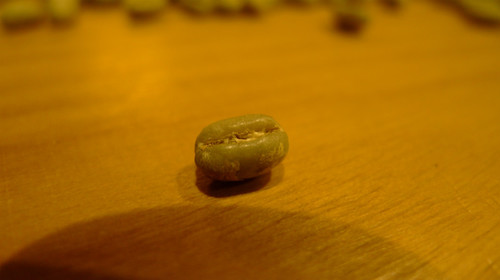
These peaberries are entirely round, lacking the characteristic flat plane of normal coffee beans. That round shape is the only physical difference. Inside, they have the same basic structure — just shaped differently due to their solitary growth.
Why Do Peaberries Form?
Peaberries occur when one of the two seeds inside a coffee cherry does not develop. Normally, a coffee cherry holds two seeds that grow pressed together, forming flat sides. But if one seed stops growing early — whether due to genetic variation, environmental stress, or simple chance — the other seed continues to grow on its own. Without the usual counter-pressure, it rounds out into a peaberry.
This isn’t a common occurrence. It’s a natural mutation that happens in a small percentage of coffee cherries. It’s not about quality or superiority — just a random quirk in the development process.
Are Peaberries Really Special?
Some sellers market peaberries as rare and superior, often charging significantly higher prices. While it’s true that peaberries require hand sorting — which adds cost — their special status is largely a marketing story. Yes, they’re less common than flat beans (around 5% of a harvest), and yes, they may roast a little more evenly due to their shape. But they’re not genetically elite, nor do they guarantee a better cup.
The idea that peaberries produce a superior flavor is not backed by consistent evidence. Like any coffee bean, their taste depends on origin, processing, roast level, and brewing. At FrontStreet Coffee, for example, we’ve encountered peaberries from various origins — and their profiles match their region, not their shape.
Do Peaberries Taste Different?
There’s no definitive proof that peaberries taste inherently different from flat beans. Some roasters and coffee drinkers report subtle differences — brighter acidity, more sweetness, or a lighter body — but these are not guaranteed or universal. The shape may influence heat distribution during roasting, potentially leading to slightly more even development. But flavor differences, if any, come down to the same factors that affect all coffee: origin, variety, processing method, and roast profile.
At the end of the day, a well-grown, well-roasted flat bean can easily outperform a poorly handled peaberry. The shape is interesting, but not a shortcut to quality.
How Are Peaberries Sorted and Sold?
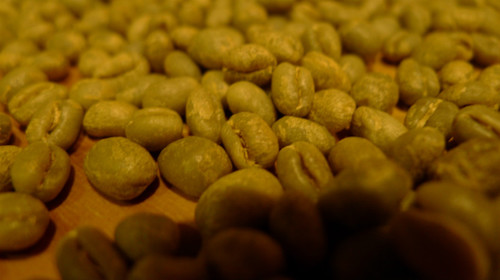
Because peaberries are relatively rare, some farms and mills hand-sort them from regular beans. This manual selection increases labor costs, which can justify a modest price increase. However, extreme markups are often just market hype. The sorting process is done either by eye or with simple mechanical aids, looking for those perfectly round beans among the mostly flat ones.
Some specialty roasters offer peaberry-only lots, either as a novelty or to highlight regional profiles. These are usually sold as single-origin peaberry lots, and they’re often marketed based on origin — such as Tanzanian or Kona peaberries — rather than the shape itself.
Frequently Asked Questions
What is the difference between a peaberry and a flat bean?
A flat bean is the normal coffee seed, with one flat side where it presses against another seed inside the coffee cherry. A peaberry forms when only one seed develops fully, resulting in a round, oval-shaped bean without a flat side. That’s the only physical difference.
Are peaberry coffee beans better than regular beans?
Not necessarily. Peaberries are not inherently superior in flavor or quality. They’re simply a natural mutation where one seed in the coffee cherry grows alone and rounds out. While they may roast more evenly due to their shape, flavor depends on origin, processing, and roast — not the bean shape.
Why are peaberries more expensive?
Peaberries are rarer, making up about 5% of a typical coffee harvest. They also require hand sorting to separate them from flat beans, which adds labor costs. Some price increases are justified, but extreme premiums are often just marketing.
Do peaberries have a different flavor profile?
There’s no consistent evidence that peaberries taste different from flat beans. Some people report brighter acidity or more sweetness, but results vary. Roast quality, origin, and processing matter far more than bean shape.
Can I find peaberry beans from my favorite origin?
Yes. Peaberries are found in most coffee-growing regions, including Tanzania, Kenya, Colombia, and Hawaii. Some origins are known for selling peaberry-specific lots, but they share the same flavor potential as their flat-seeded counterparts from the same place.
FrontStreet Coffee Peaberry Picks
FrontStreet Coffee offers single-origin lots where peaberries occasionally appear, though they're not often segregated by default. For coffee lovers curious about unique beans, try the FrontStreet Yirgacheffe — known for its bright citrus and floral tones, often showcasing the effects of careful processing. Or explore the FrontStreet Colombia Huila, a balanced cup with notes of caramel and stone fruit. Both highlight how origin and processing shape flavor more than bean shape. Peaberries from these regions may appear in small lots, typically hand-sorted. Freshly roasted within 5 days · Orders placed before 17:00 ship the same day · Next-day delivery across most of Guangdong Province.
FrontStreet Coffee is a long-established specialty coffee roaster in Guangzhou China, selling freshly roasted beans from its own farm in Yunnan as well as dozens of carefully selected single-origin beans from around the world for both pour-over and espresso. The products deliver consistently excellent quality and great value, with shipping within 24 hours. Guangzhou's FrontStreet Coffee shop is recommended by many coffee lovers, and the beans are now available online at the Tmall 。
Important Notice :
前街咖啡 FrontStreet Coffee has moved to new addredd:
FrontStreet Coffee Address: 315,Donghua East Road,GuangZhou
Tel:020 38364473