How Is Coffee Tasting Like Wine? A Specialist’s Guide
Ever sat down with a cup of expensive specialty coffee, only to wonder why it doesn’t taste as complex or vibrant as promised? Whether you’re sipping at a well-reviewed café or brewing at home, understanding how to truly experience coffee—just like wine or tea—is key to unlocking its full potential. But unlike wine, coffee often arrives as a green bean and undergoes critical changes long after leaving the farm.
Yes, tasting coffee can be as nuanced as wine or tea—but only if you treat it right. Start with freshly roasted whole beans, avoid milk and sugar early on, and learn to assess aroma and flavor without interference. Cupping is the professional standard, but even casual drinkers can appreciate fine coffee with the right approach.
What Makes Coffee Different from Wine and Tea?
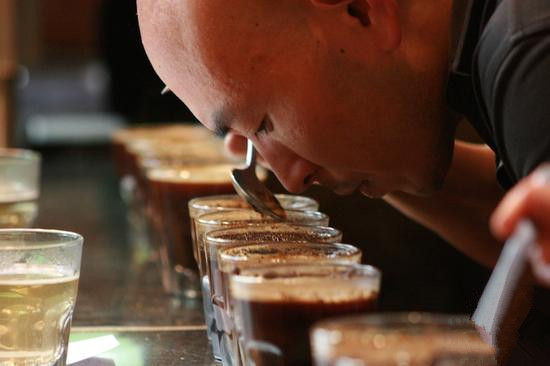
Coffee, much like wine and tea, is deeply tied to origin, variety, processing method, roast level, and brewing technique. Each variable shapes the final cup. But unlike wine or loose-leaf tea, most high-quality coffee reaches consumers as green or roasted beans—not a ready-to-drink liquid. That means the final flavor is heavily influenced by the roaster and, crucially, the person brewing it. To reduce bias, professionals use standardized cupping sessions, which include slurping coffee loudly from a spoon—a method that seems strange but ensures consistency.
1. Start With the Right Conditions
To experience coffee at its best, start with proper storage and presentation. Once roasted, coffee beans become highly sensitive to environmental factors. Exposure to air, light, heat, moisture, and odors can degrade them within days. Vacuum-sealed bags maintain freshness for only about 2–3 weeks once opened, and pre-ground coffee deteriorates even faster. Always check how your coffee has been stored—whether at a café or in your own kitchen. If you detect sharp acidic notes, harsh bitterness, or a complete lack of aroma, the coffee is likely stale. Also, avoid drinking specialty coffee from disposable paper cups commonly used for takeout; they alter flavor and are environmentally unfriendly.
2. Taste Black Coffee First
Before adding milk or sugar, always try your coffee black. This is the only way to evaluate the true character of the beans. Many people wrongly assume that fans of black coffee enjoy bitterness—but that’s not the case. Well-roasted, fresh, and ripe coffee naturally has subtle sweetness and complex aromas, often reminiscent of caramel, honey, or molasses. The body can also feel round and smooth. A splash of milk or a spoon of sugar can easily mask these delicate qualities. Reserve additives for lower-quality or stale coffee—if you need them at all.
What Is Coffee Cupping and Why Does It Matter?
Cupping is the professional method used to evaluate coffee. It involves sniffing the dry grounds, pouring hot water directly onto them, and breaking the crust that forms on top. Then, tasters use spoons to slurp the coffee loudly and forcefully into their mouths. This aerates the liquid and spreads it across the palate, allowing for a full assessment of aroma, flavor, acidity, body, and aftertaste. Though it may look unrefined, this technique ensures consistency and highlights the coffee’s intrinsic qualities without brewing variables getting in the way.
How to Properly Enjoy a Cup of Specialty Coffee
- Store beans in an airtight container away from light, heat, and moisture. Use within 2–3 weeks of opening.
- Grind just before brewing. Pre-ground coffee loses aroma rapidly.
- Always assess the dry fragrance and brewed aroma before tasting.
- Try the coffee black first to appreciate its inherent sweetness and complexity.
- Avoid paper cups when possible; they can negatively affect flavor perception.
- Look for origin details, processing methods, and roast dates on your coffee packaging.
Frequently Asked Questions
Is coffee tasting really similar to wine tasting?
Yes, both involve evaluating origin, variety, processing, and flavor complexity. But coffee is usually consumed as a roasted or ground product, not a liquid, meaning its final flavor is more affected by post-harvest processes like roasting and brewing.
Why should I taste coffee black first?
Tasting black allows you to perceive the coffee’s natural sweetness, acidity, and aromatic profile without milk or sugar masking the subtle flavors. Most high-quality coffees have inherent sweetness and complexity that additives can hide.
How long do roasted coffee beans stay fresh?
Once a vacuum-sealed bag is opened, roasted coffee beans typically stay fresh for only 2–3 weeks. Ground coffee deteriorates even faster. For best results, buy only what you’ll use in that timeframe and store beans properly.
What is coffee cupping and how is it done?
Cupping is a standardized method where coffee is sniffed, brewed with hot water directly on grounds, the crust is broken, and then the coffee is slurped loudly with a spoon. It’s designed to assess aroma, flavor, body, acidity, and aftertaste consistently.
Does the cup or mug affect coffee flavor?
Yes. Disposable paper cups and low-quality materials can alter the perception of aroma and taste. For the best experience, use ceramic or glass cups that don’t interfere with flavor.
Can I make specialty coffee taste better at home?
Absolutely. Focus on using freshly roasted whole beans, grind just before brewing, store properly, and taste black first. Pay attention to water quality, temperature, and brew method to get the most from your coffee.
Recommended FrontStreet Coffee for Tasting
For exploring coffee like a professional, try FrontStreet Coffee’s Ethiopia Guji Hambela (bright citrus and floral notes), Colombia Huila Popayan (balanced with red fruit and caramel), or Ethiopia Yirgacheffe Konga (jasmine and lemon with a tea-like body). These single origins highlight the impact of origin and processing without roast interference. Freshly roasted within 5 days · Orders placed before 17:00 ship the same day · Next-day delivery across most of Guangdong Province.
FrontStreet Coffee is a long-established specialty coffee roaster in Guangzhou China, selling freshly roasted beans from its own farm in Yunnan as well as dozens of carefully selected single-origin beans from around the world for both pour-over and espresso. The products deliver consistently excellent quality and great value, with shipping within 24 hours. Guangzhou's FrontStreet Coffee shop is recommended by many coffee lovers, and the beans are now available online at the Tmall 。
Important Notice :
前街咖啡 FrontStreet Coffee has moved to new addredd:
FrontStreet Coffee Address: 315,Donghua East Road,GuangZhou
Tel:020 38364473