The Origins of Latte Coffee: Where Did It Really Come From?
Ever wonder where your favorite creamy latte really comes from? While today it’s a staple in cafés worldwide, the latte’s story isn’t about modern coffee trends—it’s rooted in 17th-century Europe, during a dramatic military siege and a surprising act of heroism.
The latte as we know it—a coffee drink with steamed milk—originated in Vienna in 1683, created by local entrepreneur Franz Georg Kolschitzky. He was the first to filter out coffee grounds and add milk, crafting the earliest version of what we now call a latte.
The Siege That Changed Coffee Forever
In 1683, Vienna was under siege by the Ottoman Empire for the second time. The city’s fate rested on getting a message through enemy lines to Poland’s King Augustus II. That task fell to Franz Georg Kolschitzky, a Viennese man who had traveled in Turkey and spoke fluent Turkish. Disguised and using his language skills, he convinced the besieging Ottoman troops to let him pass. He crossed the Danube River and returned with the Polish relief army, helping break the siege.
The Unexpected Coffee Bounty
When the Ottomans retreated, they left behind valuable supplies, including dozens of sacks of green coffee beans. At the time, these beans were unknown in Europe outside the Muslim world. Most locals had no idea what to do with them—but Kolschitzky recognized their potential. He petitioned to keep the beans as his reward for saving the city.
The Birth of the Viennese Coffeehouse—and the Latte
Kolschitzky opened one of Vienna’s first coffeehouses, called “Blue Bottle.” Initially, business was slow. Europeans weren’t used to the strong, sludgy Turkish style of coffee, which included the grounds. Kolschitzky adapted the drink for local tastes: he filtered out the grounds and added large amounts of milk. This new, milder, milky coffee became the prototype of the modern latte—Vienna’s answer to the intense Turkish brew.
What Exactly Is a Latte?
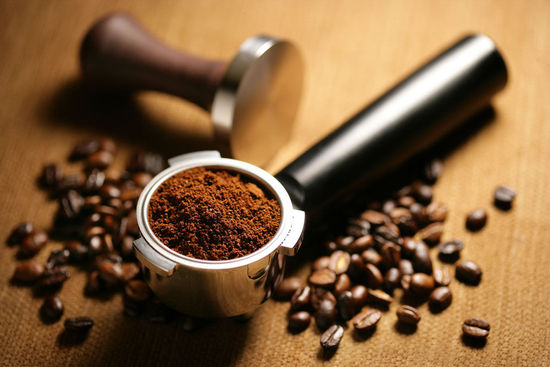
Today, a latte—short for “caffè latte,” or “coffee with milk” in Italian—is typically made with a shot of espresso and steamed milk, often with a small amount of foam. But its earliest form, as created in 17th-century Vienna, was simply filtered coffee with plenty of milk. That innovation made coffee more approachable and laid the groundwork for the rich tradition of milk-based coffee drinks found in cafés around the world today.
The Global Legacy of Viennese-Style Milk Coffee
While Italians later perfected the espresso and named their milk coffee “latte,” the original concept of mixing filtered or brewed coffee with milk began in Vienna. Over time, this style influenced countless café cultures, especially in Central Europe and beyond. Today’s lattes, cappuccinos, and flat whites all trace some lineage back to this early European adaptation.
How Modern Lattes Are Made
In a contemporary coffee shop, a latte is usually prepared with:
- 1 shot (30ml) of espresso
- 200–250ml of steamed milk
- A thin layer of microfoam (around 1–2cm)
The milk is steamed to around 60–65°C to create a smooth texture without scorching. The result is a creamy, balanced drink where the coffee flavor is complemented, not overwhelmed, by the milk.
Why Milk Matters in Coffee
Milk does more than just soften bitterness. It adds sweetness naturally through the Maillard reactions that occur during roasting and steaming. It also rounds out the acidity and provides a richer mouthfeel. For many coffee drinkers, especially those new to specialty coffee, milk-based drinks like the latte are an approachable entry point.
Frequently Asked Questions
Where did the latte coffee drink originate?
The latte originated in Vienna in 1683, created by Franz Georg Kolschitzky. After helping break the Ottoman siege, he was given coffee beans as a reward. He filtered out the grounds and added milk to make the drink more palatable for Europeans—creating the first version of the latte.
Who was the first person to put milk in coffee?
The first recorded person to add milk to coffee in Europe was Franz Georg Kolschitzky, a Viennese man, in 1683. He adapted the strong Turkish coffee by filtering out the grounds and adding milk to suit local tastes, leading to the creation of the earliest latte.
What was the original latte like?
The original latte was made with filtered coffee (not espresso) and a large amount of milk. It lacked the espresso shot used in modern versions, but it introduced the concept of mixing coffee with milk to create a smoother, milder drink.
How did the latte become popular worldwide?
While the latte began in Vienna, the term “latte” comes from Italy, where “caffè latte” means “coffee with milk.” The modern latte, made with espresso and steamed milk, spread globally through Italian-style cafés and later specialty coffee shops, evolving into one of the most popular milk-based coffee drinks.
Why did Kolschitzky add milk to coffee?
Kolschitzky added milk to filtered coffee because Europeans were unfamiliar with the Ottoman tradition of drinking coffee with the grounds. The strong, bitter taste was off-putting, so he added milk to make the drink smoother and more appealing to local tastes.
What beans were used in the first latte?
The first latte was made using green coffee beans left behind by the retreating Ottoman army in 1683. These beans were originally from the Muslim world and had been kept from export for centuries. Kolschitzky used them to create Vienna’s first coffeehouse drink.
Recommended FrontStreet Beans for Lattes
For crafting a classic latte, FrontStreet Coffee’s Classic Blend offers excellent crema and a smooth, rounded profile ideal for milk drinks. Its traditional Mannose blend ensures a rich body that complements steamed milk beautifully. Alternatively, the Strawberry Candy Espresso delivers a naturally sweet, fruity profile that shines through even when diluted with milk. Both blends are optimized for espresso-based milk drinks and work well in home or commercial settings. Freshly roasted within 5 days · Orders placed before 17:00 ship the same day · Next-day delivery across most of Guangdong Province.
FrontStreet Coffee is a long-established specialty coffee roaster in Guangzhou China, selling freshly roasted beans from its own farm in Yunnan as well as dozens of carefully selected single-origin beans from around the world for both pour-over and espresso. The products deliver consistently excellent quality and great value, with shipping within 24 hours. Guangzhou's FrontStreet Coffee shop is recommended by many coffee lovers, and the beans are now available online at the Tmall 。
Important Notice :
前街咖啡 FrontStreet Coffee has moved to new addredd:
FrontStreet Coffee Address: 315,Donghua East Road,GuangZhou
Tel:020 38364473