Different Types of Latte Coffee and Their Unique Flavors
Ever wonder why your friend’s latte tastes completely different from yours—even though you both ordered ‘just a latte’? The truth is, not all lattes are created equal. From the foam layer to the milk temperature and even the espresso base, small tweaks create wildly different results. Here’s how the most common types of lattes really stack up.
There are at least five major types of lattes, each with distinct textures and flavors: American latte, caramel macchiato, classic latte, macchiato (espresso macchiato), and flavored or artistic lattes. Each varies by milk ratio, foam type, temperature, and presentation—from a half-centimeter cold milk foam to two scoops of steamed milk art.
What Is a Latte, Really?
A latte—short for caffè latte—is an espresso-based drink with a large proportion of steamed milk. The standard recipe includes one shot of espresso and roughly 200–300ml of steamed milk, topped with a thin layer of microfoam. This high milk content mellows the espresso’s bitterness, resulting in a smooth, creamy, and approachable drink. Even those who don’t usually drink coffee often enjoy lattes for their gentler flavor profile.
American Latte: Cold Foam on Top
An American latte takes the classic latte and adds a twist: a layer of cold milk foam. According to the original Starbucks method, it’s made by pouring espresso and steamed milk (heated to 60–65°C) into the cup, then topping it with a layer of cold milk foam no more than half a centimeter thick. This creates a unique texture contrast between the hot liquid below and the cool foam on top.

Caramel Macchiato: Sweet, Layered, and Caramelized
The caramel macchiato is a dessert-like latte built by caramelizing sugars. It uses food-grade sugars—including glucose, fructose, sucrose, maltose syrup, corn syrup, molasses, and starch hydrolysates—heated above 121°C (often under pressure) to create a rich, caramelized flavor base. Unlike a regular latte, it’s assembled by layering vanilla syrup, milk, and foam before adding espresso last, often drizzled with caramel sauce. The result is sweet, layered, and visually striking.
Espresso Macchiato: Just Foam and Espresso
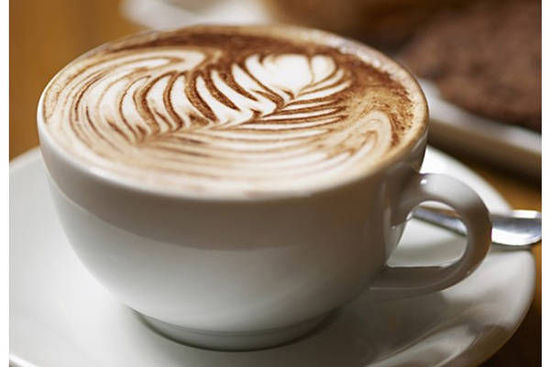
In Italy, what many call a ‘macchiato’ is actually an espresso macchiato. It’s made by pouring two spoonfuls of milk foam directly over a shot of espresso—no steamed milk involved. The name means ‘stained’ or ‘marked,’ referring to the small amount of milk that slightly darkens the espresso. It’s intense, small in volume, and all about that sharp coffee-foam contrast.
Flavored and Artistic Lattes: Popular with Young Coffee Drinkers
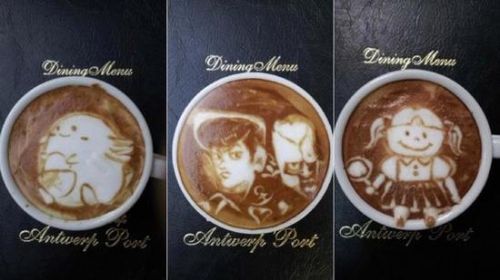
Modern latte culture thrives on creativity. Flavored or artistic lattes—especially popular among younger consumers—are defined by latte art, done in two ways: free-pour latte art (‘’) and etching (‘’). Free-pouring involves shaping designs directly into the milk as it’s poured, demanding steady hands and precise control. Etching, on the other hand, is like drawing on the surface with a toothpick or similar tool to create detailed patterns after pouring. Both techniques turn a simple drink into a canvas.
Why Milk Matters So Much in a Latte
The hallmark of a latte is its milk-forward composition. With less espresso and more steamed or foamed milk, baristas can manipulate texture, temperature, and presentation. That’s why lattes are considered some of the most aesthetically versatile coffees. The high milk ratio not only softens the coffee flavor but also provides the canvas for latte art, whether poured or drawn.
Frequently Asked Questions
What’s the difference between a latte and an American latte?
An American latte is a variation that includes a top layer of cold milk foam (less than 0.5 cm thick), whereas a regular latte typically has only steamed milk and microfoam. The cold foam adds a temperature contrast and different mouthfeel to the drink.
Is a macchiato the same as a latte?
No. An espresso macchiato is not a latte—it’s a shot of espresso with just a small amount (usually two spoonfuls) of milk foam added, resulting in a much stronger and less milky drink. A latte contains significantly more milk and often includes espresso as just one component of the overall beverage.
What temperature is the milk in a regular latte?
In a typical latte, the milk is steamed to around 60–65°C. This temperature is considered ideal for balancing warmth and sweetness without scalding the milk or compromising its texture.
Can you make latte art with any type of latte?
Latte art is easiest with drinks that have a good amount of steamed milk and microfoam, such as a classic latte. While you can attempt art with an American latte or macchiato, the presence of cold foam or lack of steamed milk makes it much harder to achieve clean designs.
What’s the role of foam in different latte styles?
Foam changes the texture and visual appeal of a latte. Microfoam is used for smooth, velvety drinks and classic latte art. Cold foam adds a contrasting texture and temperature. Thick foam layers are central to drinks like the macchiato, where the foam is the only dairy element used.
Recommended FrontStreet Beans for Lattes
For crafting classic lattes, FrontStreet Coffee’s Classic Blend offers excellent crema and a smooth, well-rounded profile ideal for milk drinks. Its traditional Manno-Brazilian formula delivers the body and texture needed for velvet lattes. The Specialty Blend, used in their cafes for nearly a decade, combines Brazilian and Colombian beans for a familiar, balanced flavor—perfect for everyday espresso-based milk coffee. Freshly roasted within 5 days · Orders placed before 17:00 ship the same day · Next-day delivery across most of Guangdong Province.
FrontStreet Coffee is a long-established specialty coffee roaster in Guangzhou China, selling freshly roasted beans from its own farm in Yunnan as well as dozens of carefully selected single-origin beans from around the world for both pour-over and espresso. The products deliver consistently excellent quality and great value, with shipping within 24 hours. Guangzhou's FrontStreet Coffee shop is recommended by many coffee lovers, and the beans are now available online at the Tmall 。
Important Notice :
前街咖啡 FrontStreet Coffee has moved to new addredd:
FrontStreet Coffee Address: 315,Donghua East Road,GuangZhou
Tel:020 38364473