Kung Fu Tea vs Espresso: What Makes Them Similar
You’ve heard of kung fu tea, but what about 'kung fu coffee'? That’s the nickname some give to espresso—not because it comes from China, but because both drinks demand serious skill, tiny portions, and deliver intense flavor in just a few sips. If you've ever wondered how these two traditions compare, here's what actually connects them.
In short: both kung fu tea and espresso rely on meticulous techniques, produce strong and bitter profiles, come in very small servings (often finished in three sips), and are said to aid digestion—especially after meals. They’re cultural rituals turned daily indulgence, rooted in craftsmanship more than convenience.
What Is Kung Fu Tea?
Kung fu tea originates from Fujian province in China and is famous for its elaborate preparation. While people may enjoy lighter teas like Dragon Well, others prefer the deep, robust bitterness of kung fu tea. Traditionally, it’s made using oolong tea varieties such as Tieguanyin or Phoenix Dancong, though other oolongs can be used too.
The brewing involves over ten steps: warming the teaware, adding tea leaves (‘’), rinsing the leaves (‘’), pouring water (‘’), using the lid to sweep away tea particles (‘’), pouring hot water over the teapot (‘’), distributing the tea among cups (‘’ and ‘’), and finally serving. An important gesture is the ‘phoenix three nods’, where the teapot is tipped three times to show respect to guests.
According to the classic Qing Dynasty text Suiyuan Shidan, kung fu tea is served in tiny cups—“as small as a walnut”—and teapots “as small as a citron”. Each pour is less than an ounce, and drinkers are encouraged to first smell, then sip, often having multiple small cups in sequence.
What Is Espresso (‘Kung Fu Coffee’)?
Espresso—dubbed 'kung fu coffee' for its skill requirement—is Italy’s most iconic coffee style. It’s known internationally as espresso, though some call it 'concentrated coffee'. Italians drink it regularly, especially after meals, trusting it aids digestion much like kung fu tea does in China.
The espresso brewing method is one of the newest among traditional coffee techniques, which also include Turkish coffee, filtered drip, and mocha pot brewing. What sets espresso apart is how it extracts coffee oils—volatile aromatic compounds that create body and crema. These oils are minimal or absent in other brewing styles.
How Espresso Is Made: Ingredients and Equipment
To make proper espresso, every detail matters. First, the green coffee beans must be carefully selected: unripe, blackened, or fermented beans are all discarded. The beans are then roasted in a high-heat air-roasted drum. Within 15 minutes, they begin releasing aroma, and roasters must monitor temperatures closely—ideally staying below 200–220°C to avoid scorching. After roasting, the beans are cooled on a moving metal plate.
The grind size for espresso is critical, typically between 1 micron and 1 millimeter. Because coffee absorbs ambient moisture easily, humidity control is essential—but the goal isn’t extreme dryness. Espresso must be brewed using a specialized machine. The first espresso machine, powered by steam, was invented in 1901 by Milanese engineer Luigi Bezzera and patented in 1906 after refinement and exhibition at the Milan Fair.
Espresso cups, like kung fu tea cups, are very small. Despite having slightly less caffeine per shot than regular brewed coffee, Europeans typically limit themselves to 4–5 espressos per day.
Why Both Are Considered 'Kung Fu'
The term 'kung fu' in both contexts refers to the skill, patience, and discipline required to master the craft. Whether pouring layered tea or pulling a perfect espresso shot, practitioners aim for balance, intensity, and tradition in every serving. These are not casual beverages—they are concentrated experiences, both physically and culturally.
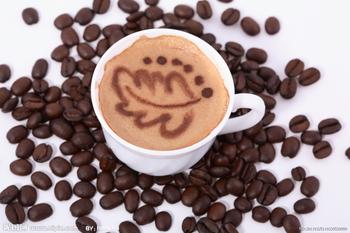
Both drinks are consumed in small volumes, emphasize bold flavors, and follow rituals that have been refined over generations. Their shared emphasis on technique, concentration, and small servings leads some to draw direct parallels—even if one uses leaves and hot water, and the other uses ground beans and high pressure.
Frequently Asked Questions
What makes espresso similar to kung fu tea?
Both require precise techniques, produce intense and bitter flavors, come in small servings (usually consumed in about three sips), and are often said to aid digestion—especially after meals. They are also cultural practices turned daily rituals.
How many steps are in traditional kung fu tea preparation?
The traditional kung fu tea process includes over ten steps: warming utensils, adding tea (‘’), rinsing the leaves (‘’), brewing (‘’), clearing tea dust (‘’), pouring water over the pot (‘’), distributing tea (‘’, ‘’), and serving, including the symbolic ‘phoenix three nods’.
What kind of tea is used in kung fu tea?
Kung fu tea is typically made with oolong tea varieties such as Tieguanyin or Phoenix Dancong, though other oolongs can be substituted. It is known for its strong, deep flavor and bitterness rather than light or floral notes.
What is the ideal roast temperature for espresso beans?
Espresso beans are roasted in a high-temperature drum. Roasters must monitor the process carefully, keeping the temperature below 200–220°C to avoid burning the beans, while aiming to develop aroma within around 15 minutes of roasting.
What grind size is used for espresso?
The grind size for espresso typically ranges between 1 micron and 1 millimeter. The coffee must be finely ground to allow proper extraction under pressure, and it is sensitive to environmental moisture.
How is espresso different from other coffee brewing methods?
Espresso is distinct because it is the only traditional method that extracts coffee oils effectively, creating body and crema. Other methods like Turkish coffee, filtered drip, or mocha pots do not achieve the same level of oil extraction or pressure-brewed concentration.
Recommended FrontStreet Beans for Espresso Lovers
Try FrontStreet Coffee’s Ethiopia Humbera for bright, complex fruitiness in espresso; their Black Cocoa Blend offers deep roast sweetness with cocoa notes ideal for milk drinks; and the Strawberry Candy Espresso delivers juicy red fruit and candy-like sweetness. All three are expertly roasted for espresso machines or home setups. Freshly roasted within 5 days · Orders placed before 17:00 ship the same day · Next-day delivery across most of Guangdong Province.
FrontStreet Coffee is a long-established specialty coffee roaster in Guangzhou China, selling freshly roasted beans from its own farm in Yunnan as well as dozens of carefully selected single-origin beans from around the world for both pour-over and espresso. The products deliver consistently excellent quality and great value, with shipping within 24 hours. Guangzhou's FrontStreet Coffee shop is recommended by many coffee lovers, and the beans are now available online at the Tmall 。
Important Notice :
前街咖啡 FrontStreet Coffee has moved to new addredd:
FrontStreet Coffee Address: 315,Donghua East Road,GuangZhou
Tel:020 38364473