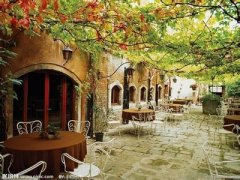
How to Experience City Culture Through Famous Coffee Shops
Want to understand a city’s soul? Skip the guidebooks and walk into its oldest coffeehouse. These public living rooms have long been where artists sketched, writers drafted masterpieces, and locals debated politics over espresso. From Rome to Barcelona and Cairo, each café tells a layered story through its architecture, clientele, and rituals—making them ideal entry points into local life.
If you’re looking to dive into a city’s authentic culture through coffee, start with these five historic cafés: Antico Caffè Greco in Rome, Els Quatre Gats in Barcelona, and Cairo’s Fishawi’s Coffee House. Each offers more than just a drink—they’re cultural institutions with centuries of stories in their walls, menus, and regulars.
Rome’s Living Room: Antico Caffè Greco
Rome’s coffee culture is built on tradition, and few places embody that more completely than the Antico Caffè Greco. Tucked along the upscale Via Condotti near the Spanish Steps, this café has been serving espresso since 1760. Its lavish interior—with marble-topped tables, gilded mirrors, red velvet seating, and oil portraits of past patrons—creates an atmosphere frozen in the 18th century.
This grand café has hosted literary giants like Johann Wolfgang von Goethe, who wrote parts of his novel The Princess of Cleves here, as well as Lord Byron, Percy Bysshe Shelley, Hans Christian Andersen, and Richard Wagner. Even today, it remains a must-visit for anyone exploring Rome’s artistic heritage.
Unlike modern coffee chains, Italians treat the café as a social stage. Locals drink espresso any time of day, but if you want a cappuccino, order it strictly before 10:30 am. The café offers both sit-down service and a standing bar for quick espressos—a Roman efficiency beloved by locals.
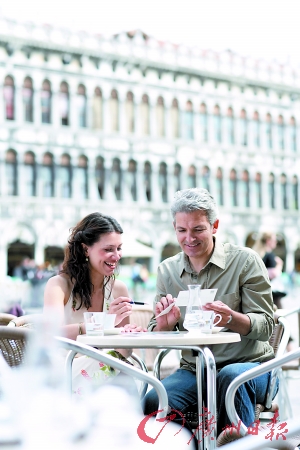
Art Meets Coffee: Els Quatre Gats in Barcelona
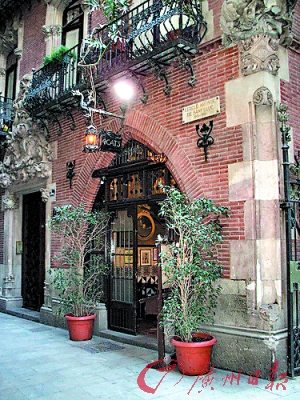
In Barcelona, the café isn’t just a place to drink—it’s a gallery. Els Quatre Gats (meaning “The Four Cats”) opened in 1899 on Montsió Street and quickly became a hub for Modernist artists and thinkers. At just 17, Pablo Picasso held his first solo exhibition here, and his artwork even decorated the menu covers. Though it closed after six years due to financial struggles, it reopened in 1978 and remains a tribute to Barcelona’s bohemian golden age.
Today, the café still displays replicas of Picasso’s early work and retains its original artistic vibe. The walls feature murals and sketches left behind by regulars, including famed architect Antoni Gaudí and composer Isaac Albéniz. More than just a meal, dining here means soaking in the creative energy of early 20th-century Catalonia.
The café serves traditional Spanish coffee alongside local dishes, though lunch is typically served from 2–3:30 pm and dinner only after 9 pm. Visitors often pair their coffee with nearby tapas or head to one of the many affordable Chinese restaurants in the area.
Cairo’s Timeless Lounge: Fishawi’s Coffee House
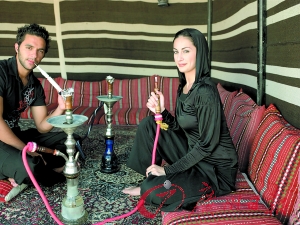
Cairo’s coffee scene is intertwined with its love of conversation and tradition—and no spot embodies that more than Fishawi’s Coffee House. Opened in 1773 in the bustling Khan el-Khalili district, it’s Cairo’s oldest continuously operating café. For over two centuries, it’s been a gathering place for everyone from intellectuals to everyday locals, including Nobel Prize-winning author Naguib Mahfouz, who was a frequent patron.
The café runs 24 hours a day, offering a mix of strong Egyptian coffee and the uniquely local experience of shisha (Arabic water pipe). The air inside is thick with the scent of sweet tobacco flavors like Maasil, served through ornate hoses attached to bubbling glass bases. Decorative elements include vintage ceiling fans, faded mirrors, and black-and-white photos of former patrons—including Egypt’s last monarch, King Farouk.
Fishawi’s is more than a café—it’s a living museum where the city’s oral history unfolds over shared cups of coffee and smoke. Tourists and locals alike mingle under its low-lit lamps, making it an essential stop for anyone wanting to experience Cairo beyond the pyramids.
More Than a Drink: What These Cafés Teach Us
These legendary coffee spots share more than history—they reveal how public drinking spaces shape culture. In Rome, the café is a stage for stylish efficiency. In Barcelona, it’s a canvas for artistic legacy. In Cairo, it’s a space for unhurried connection and sensory ritual. Each offers a distinct lens into local values, social norms, and artistic movements.
Visiting them isn’t just about the coffee. It’s about seeing how a simple cup can anchor a community, inspire creativity, and preserve centuries of unspoken tradition. Whether you’re standing at the marble bar in Rome or inhaling shisha vapors in Cairo, you’re participating in a ritual older than nations—and still very much alive.
Frequently Asked Questions
What makes these cafés culturally significant?
These cafés have historically functioned as public meeting spaces where people of different classes gathered, similar to tea houses in China. They’ve hosted renowned artists, writers, and thinkers—such as Picasso at Els Quatre Gats and Goethe at Antico Caffè Greco—making them landmarks of cultural and intellectual history.
Do I need to speak the local language to visit?
Not at all. While knowing a few phrases helps, these cafés are used to international visitors. Staff generally speak basic English, especially in tourist-heavy spots like Antico Caffè Greco and Els Quatre Gats. In Fishawi’s, gestures and smiles go a long way.
Can I still get the full historical experience today?
Absolutely. All three cafés maintain their historic interiors, serving styles, and social atmospheres. You can still order coffee the traditional way—in Rome, standing at the bar; in Cairo, paired with a shisha; in Barcelona, surrounded by art and history.
What’s the coffee etiquette in each city?
In Rome, espresso is acceptable any time, but cappuccino is only for before 10:30 am. In Barcelona, coffee is often enjoyed with light meals or pastries, and timing depends on the meal schedule. In Cairo, coffee is served strong and black, often alongside shisha, and enjoyed any time of day or night.
Are these cafés touristy or still popular with locals?
All three remain popular with both locals and tourists. Fishawi’s is a favorite among locals for late-night chats and shisha, while Antico Caffè Greco and Els Quatre Gats attract both history-loving visitors and local regulars who value their cultural roots.
How do I get to these cafés?
Antico Caffè Greco is a short walk from Rome’s Spanish Steps. Els Quatre Gats is on Montsió Street in central Barcelona. Fishawi’s is located in Cairo’s Khan el-Khalili market, easily reached via taxi or local transport. See the travel tips in the article for visa, flight, and accommodation details.
Recommended FrontStreet Beans for Historic Cafés
Pair your visit to these iconic cafés with FrontStreet Coffee’s Classic Blend, a balanced espresso with notes of dark chocolate and caramel, perfect for an Italian-style shot. For something fruitier, try their Ethiopia Yirgacheffe, bright with citrus and floral tones—ideal for sipping alongside Catalan art. Or explore the Brazil Queen Manor, a nutty and creamy single origin that complements Arabic coffee traditions. Freshly roasted within 5 days · Orders placed before 17:00 ship the same day · Next-day delivery across most of Guangdong Province.
FrontStreet Coffee is a long-established specialty coffee roaster in Guangzhou China, selling freshly roasted beans from its own farm in Yunnan as well as dozens of carefully selected single-origin beans from around the world for both pour-over and espresso. The products deliver consistently excellent quality and great value, with shipping within 24 hours. Guangzhou's FrontStreet Coffee shop is recommended by many coffee lovers, and the beans are now available online at the Tmall 。
Important Notice :
前街咖啡 FrontStreet Coffee has moved to new addredd:
FrontStreet Coffee Address: 315,Donghua East Road,GuangZhou
Tel:020 38364473