How to Order Coffee in 7 Global Cities
Traveling abroad and stepping into a local coffee shop can feel like cracking a code. The menu isn’t in a foreign language—it’s in unwritten traditions, regional roast preferences, and unspoken customs. Whether you’re ordering a simple espresso or something more elaborate, knowing what locals actually drink can transform your experience from confusing to memorable.
If you want to drink like a local, remember this: every European city—and several beyond—has a go-to coffee style. From a milky Cortado in Buenos Aires to a stark black Espresso Solo in Barcelona, each place serves a distinct cup shaped by tradition, climate, and taste. Below is your guide to seven global cities and the exact coffees you should order when you’re there.
Portugal: Lisbon’s Bold, Smoky Bica

In Lisbon, coffee is dark, strong, and deeply roasted—though lighter than Italy’s. The signature Bica is a shorter, more intense roast than Italian espresso, often with a smoky, slightly bitter edge. Locals prefer it pure, or with just a touch of milk.
What to Order

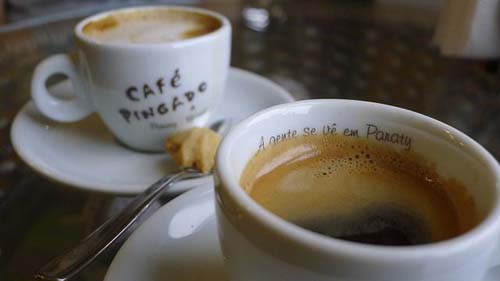
- Pingado: A single or double Bica with one or two drops of milk—just enough to lighten the cup. Think of it as a “black coffee with a cloud.”
- Uma Bica: A straight, bold shot of espresso made with Portugal’s traditional Bica beans. Locals often recommend taking it with sugar.
Where to Drink

- Leitaria A Camponeza: A century-old former dairy now serving coffee in a building covered in vintage tiles. Cozy and nostalgic.
- Grémio Cafe: A tiny spot where cycling meets coffee craft. Run by a chef with London experience, it serves creative brews alongside Portuguese bites.
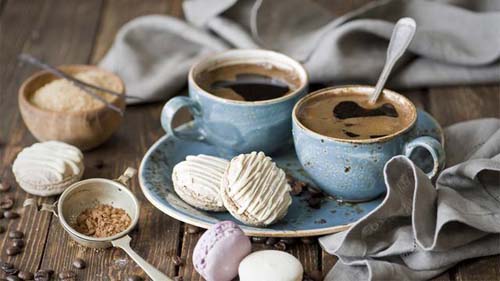
Czech Republic: Prague’s Dark, Caffeinated Kava

Prague’s coffee culture leans into intensity. The local Kava beans are large and dark-roasted, producing a thick, strong brew with high caffeine content—perfect for shaking off the cold.
What to Order

- Preso s mlékem: A long espresso served with hot or cold milk, stretched to mellow the strength while keeping the bold flavor.
- Vídenská káva: Served in a tall glass, this is a long espresso topped with whipped cream. The contrast softens the bitterness for a dessert-like finish.
Where to Drink

- Grand Cafe Orient: A historic Art Nouveau café with green velvet seating and brass chandeliers. Pair your coffee with medovník, a local honey cake.
- La Bohème: A whimsical spot with chalkboard menus and cloud-patterned wallpaper. Great for people-watching and enjoying expertly brewed coffee.
Argentina: Buenos Aires’ Herbal, Low-Temp Brews

In Buenos Aires, coffee often includes dried yerba mate leaves and spices. The brewing temperature is carefully controlled between 70–85°C to preserve aroma and avoid bitterness. The result is a fuller-bodied, longer-lasting cup.
What to Order
- Cortado: A short espresso with steamed milk and velvety microfoam. More milk than a macchiato, less than a cappuccino.
- Lágrima: Mostly steamed milk with just a drop of espresso. A reversed coffee experience that highlights the milk’s sweetness.
Where to Drink

- El Gato Negro: An 85-year-old café near theaters, also selling international teas and exotic spices.
- Full City Coffee House: Run by a British-Colombian couple, specializing in Colombian beans like Guayatá, with a rustic wooden interior.

Germany: Berlin’s Lightly Roasted Precision

Berlin favors a lighter Arabic-style roast, requiring careful grinding to fully extract delicate aromas. German coffee culture prizes precision, even in brewing equipment design.
What to Order
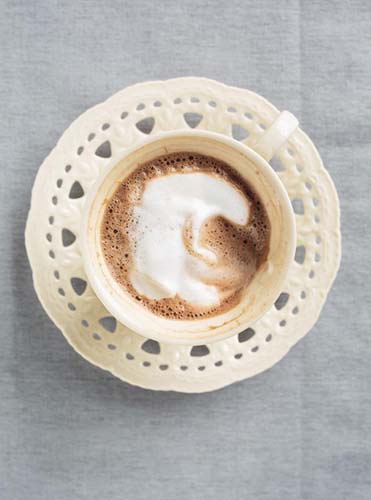
- Milchkaffee: A large black coffee with steamed milk—similar to a latte but less foamy.
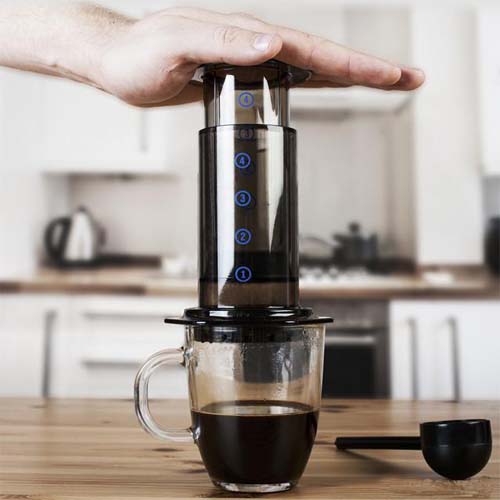
- Aeropress: A high-extraction method using a specialized device. Coffee grounds are steeped then forced through a filter under pressure for a clean, intense cup.
Where to Drink

- Konditorei Buchwald: Open since 1852, famous for buttery chocolate cake and an outdoor patio with cakes and cheeses.
- No Fire No Glory: A Berlin coffee lab doubling as an art space. Serves inventive brews in a creative atmosphere.

France: Parisian Caramelized Elegance

French coffee roasts sit between light and dark, creating low acidity and heavy caramelized sweetness. The roast is so standardized it’s become a benchmark worldwide.
What to Order

- Café noisette: Espresso with a splash of cream or milk foam. Think of it as coffee with a brushstroke of dairy.
- Café allongé: A standard French long espresso, smoother and gentler due to extended extraction.
Where to Drink

- Café Verlet: A 140-year-old café roasting its own beans since 1880. Consistent, rich flavor in a historic setting.
- Ten Belles: A neighborhood spot near Canal Saint-Martin, known for house-baked cookies and artisanal coffee.

Mexico: Oaxacan-Inspired Ceramic Cups & Spiced Coffee
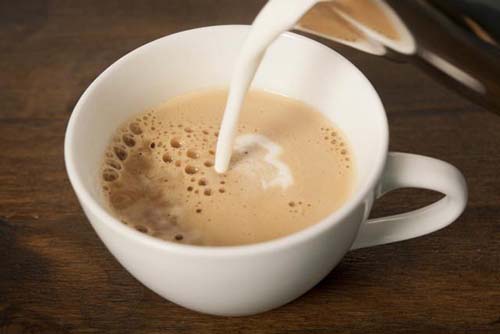
Mexico grows high-quality Arabica, particularly in regions like Veracruz and Chiapas, with mild, balanced profiles thanks to jungle humidity. Traditional methods add spice and sweetness.
What to Order
- Café de olla: Coffee brewed in a clay pot with cinnamon and piloncillo (unrefined cane sugar). Served in a traditional earthenware cup.
- Café con leche: Standard brewed coffee with steamed milk, a common breakfast pairing.
Where to Drink

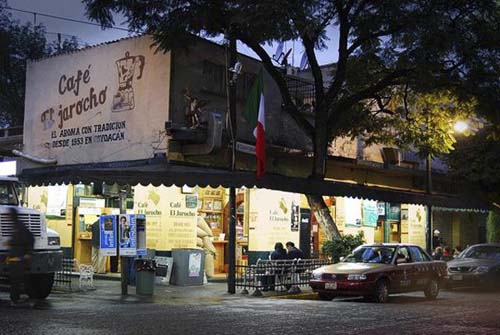
- Café El Jarocho: A historic café since 1953, located in the artsy Coyoacán district. Also offers international teas and spices.
- La Procedencia: A colorful café with Nordic music and fresh fruit. Known for its bold design and freshly roasted beans.

Spain: Barcelona’s Sweet, Bold Blends

Spanish coffee often uses the torrefacto roast, where sugar is added during roasting to boost sweetness and preservation. The result is a bold, slightly sweet shot.
What to Order

- Café solo: A thick, bitter, unadulterated shot of espresso.
- Café bombón: Solo espresso served with condensed milk, creating a rich, dessert-like drink.
Where to Drink

- Café del Centre: Opened in 1873, this old-school bar has hosted artists and poets. Its wooden bar evokes literary history.
- Babèlia Books & Coffee: A bookshop-café hybrid with exposed brick and shelves of reading material alongside great coffee.

Frequently Asked Questions

What is the most common coffee style in Lisbon?
In Lisbon, the go-to coffee is Bica—a slightly lighter but still bold espresso with smoky, bitter notes. Locals often order it as a Pingado (with a few drops of milk) or as a strong, pure Uma Bica.
What coffee do they serve in Prague?
Prague serves Kava, a dark, large-bean roast that results in a strong, caffeinated cup. Popular orders include Preso s mlékem (long espresso with milk) and Vídenská káva (espresso with whipped cream).
How is Argentine coffee different?
Argentine coffee often includes dried yerba mate and is brewed at lower temperatures (70–85°C) to preserve flavor. Cortado and Lágrima are common—both balance espresso with varying amounts of steamed milk.
What makes German coffee unique?
Germans often use a lighter Arabic roast and focus on precision brewing. Milchkaffee is a standard black coffee with milk, while the Aeropress is favored for high extraction using pressurized steeping.
Why is French coffee lightly roasted?
French coffee is roasted to a medium level, creating low acidity and heavy caramelization. This style is so widely accepted it’s considered a global standard. Café noisette and allongé are typical orders.
What’s traditional in Mexican coffee culture?
Mexican coffee often blends Arabica with spices. Café de olla is brewed in clay pots with cinnamon and sugar, served in traditional ceramics. Café con leche is also widely consumed.
What is special about Spanish coffee?
Spanish coffee often uses torrefacto roasting, adding sugar to the beans during roasting for sweetness and longevity. Café solo is very strong espresso, while Café bombón mixes it with condensed milk.
Recommended FrontStreet Beans for Global Coffee Flavors
For exploring global coffee styles, try FrontStreet’s Brazil Queen Manor (Yellow Bourbon, juicy sweetness with peanut and caramel notes), Colombia Huila (washed process, balanced with chocolate and citrus), and Ethiopia Humbera (natural process, bright berry and citrus tones). These beans represent the core profiles behind many international coffee traditions—from milk-friendly Brazilians to bright Ethiopians and balanced Colombians. Freshly roasted within 5 days · Orders placed before 17:00 ship the same day · Next-day delivery across most of Guangdong Province.
FrontStreet Coffee is a long-established specialty coffee roaster in Guangzhou China, selling freshly roasted beans from its own farm in Yunnan as well as dozens of carefully selected single-origin beans from around the world for both pour-over and espresso. The products deliver consistently excellent quality and great value, with shipping within 24 hours. Guangzhou's FrontStreet Coffee shop is recommended by many coffee lovers, and the beans are now available online at the Tmall 。
Important Notice :
前街咖啡 FrontStreet Coffee has moved to new addredd:
FrontStreet Coffee Address: 315,Donghua East Road,GuangZhou
Tel:020 38364473