Coffee Bean Specifications: Washed, Peaberry & Sizing Guide
When you buy green coffee beans, terms like 'washed', 'peaberry', or 'screen 18' aren’t just jargon—they’re the industry’s shorthand for how the beans were processed, their physical traits, and their potential quality. Whether you’re a roaster sourcing beans or a curious coffee enthusiast, understanding these specifications helps you make better decisions. But what do they actually mean, and why do they matter?
In short: washed beans are processed in water for uniform quality; natural (non-washed) beans dry in the sun with more variable results. Most beans are flat-sided 'flat beans,' but rare round 'peaberries' occur naturally. Screen sizes (like 18 or 20) sort beans by diameter, while altitude tiers (e.g., 1,200–1,500m) signal higher-quality growth. These specs directly affect flavor consistency and market value.
How Coffee Beans Are Processed: Washed vs. Natural
Coffee beans are processed in two main ways, each impacting flavor and uniformity. Washed (or wet-processed) beans are removed from their fruit using water and friction in tanks, leaving just the seed. This method results in more consistent quality. In contrast, natural (or non-washed) beans are dried with the fruit still attached, then mechanically hulled. This process is more variable, often leading to inconsistent bean quality due to uneven drying and fermentation.
Flat Beans vs. Peaberries: Shape Matters
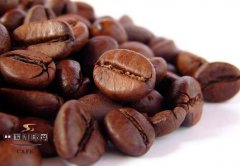
A typical coffee cherry holds two flat-sided seeds (flat beans) that nestle together with a flat surface where they touch. Occasionally, a cherry produces a single round seed called a peaberry. Peaberries occur naturally when one seed fails to develop, leaving the other to grow round instead of flat. Contrary to some myths, peaberries don’t inherently taste different from flat beans, though they’re often sorted separately for roasting consistency.
Coffee Bean Size: Screen Numbers Explained
Coffee beans are sorted by size using mesh screens with numbered holes. Flat beans fall into these size categories: 20–19 mesh (extra large), 18 (large), 17 (semi-large), 16 (standard), 15 (medium), 14 (small), and 13–12 (extra small). Peaberries have their own sizing: 13–12 (large), 11 (semi-large), 10 (standard), 9 (medium), and 8 (small). These screen numbers help ensure even roasting and are a basic indicator of bean development.
Altitude and Coffee Bean Grade: Why Elevation Counts
Coffee quality is closely tied to the altitude where it’s grown. Higher elevations typically produce harder, denser beans with more complex flavors. Grades are assigned based on altitude in meters: Special Grade (1,500m+), Upper Grade (1,200–1,500m), Medium Grade (1,000–1,200m), Special Washed Grade (900–1,000m), Upper Washed Grade (760–900m), Premium Washed Grade (610–760m), and Standard Washed Grade (up to 610m). Generally, the higher the altitude, the higher the grade—and the price.
Frequently Asked Questions
What’s the difference between washed and natural coffee beans?
Washed beans are processed using water to remove the fruit, resulting in cleaner, more uniform flavor and higher quality consistency. Natural beans are dried with the fruit still on, which can create more complex but inconsistent flavors due to variable drying conditions.
What are peaberry coffee beans?
Peaberries are rare, round coffee beans that form when one seed in a coffee cherry doesn’t develop, leaving the other to grow singly and round instead of flat. They usually occur in less than 5% of cherries and are often sorted separately, though they don’t inherently taste different.
How are coffee beans sized, and what do the numbers mean?
Coffee beans are sorted by size using mesh screens. Flat beans are graded from 20 (extra large) to 13–12 (extra small). Peaberries use a different scale: 13–12 (large) down to 8 (small). The size affects roasting evenness and is a general indicator of bean quality.
Does altitude really affect coffee quality?
Yes. Higher-altitude coffee grows more slowly, producing denser beans with richer, more complex flavors. Grades like Special Grade (1,500m+) are given to high-altitude beans, which are typically considered superior in cup quality.
Why do flat beans have different size grades than peaberries?
Flat beans and peaberries have different shapes and sizes, so they’re sorted using separate screen systems. Flat beans range from 20 (largest) to 13–12 (smallest), while peaberries range from 13–12 (large) to 8 (small).
Recommended FrontStreet Beans for Spec Grading
For hands-on understanding of coffee bean specs, try FrontStreet’s Yirgacheffe (washed, bright and floral, screen 17–18), Ethiopia Huakui (washed, complex and citrusy, screen 16–17), and PWN Golden Mandheling (washed, full-bodied and earthy, screen 15–16). These beans showcase how processing and altitude shape flavor—and their listed screen sizes match the grading standards in the article. Freshly roasted within 5 days · Orders placed before 17:00 ship the same day · Next-day delivery across most of Guangdong Province.
FrontStreet Coffee is a long-established specialty coffee roaster in Guangzhou China, selling freshly roasted beans from its own farm in Yunnan as well as dozens of carefully selected single-origin beans from around the world for both pour-over and espresso. The products deliver consistently excellent quality and great value, with shipping within 24 hours. Guangzhou's FrontStreet Coffee shop is recommended by many coffee lovers, and the beans are now available online at the Tmall 。
Important Notice :
前街咖啡 FrontStreet Coffee has moved to new addredd:
FrontStreet Coffee Address: 315,Donghua East Road,GuangZhou
Tel:020 38364473