What Is Luwak Coffee? The Facts Behind Civet Coffee Beans
If you’ve ever heard someone mention ‘cat poop coffee,’ you’ve probably wondered: is that really a thing? And more importantly—why would anyone drink it? The answer lies in one of the strangest stories in global coffee: Luwak coffee, also known as civet coffee, produced on the remote volcanic slopes of Indonesia’s Sumatra island. This isn’t just a gimmick—it’s a process shaped by geography, biology, and centuries of tradition.
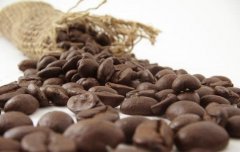
In short: Luwak coffee is made from Arabica beans eaten and excreted by the Asian palm civet—a small, picky mammal native to Sumatra. The civet’s digestive enzymes alter the beans’ proteins, creating a distinct flavor profile. Only ripe coffee cherries are consumed, and the beans are carefully collected, cleaned, and lightly roasted. The result? A rare and costly brew, often described as smooth with notes of chocolate, almond, and spice.
What Exactly Is Luwak Coffee?
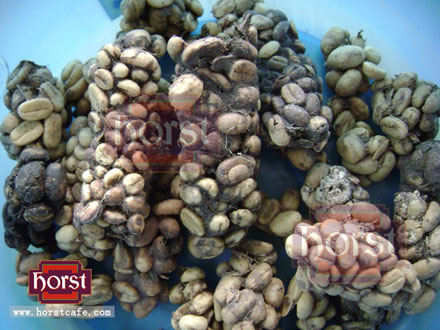
Luwak coffee is a rare, specialty-grade Arabica coffee bean produced in the central highlands of Aceh (formerly known as Atjeh), in the northern part of Indonesia’s Sumatra island. The beans are unique because they pass through the digestive system of the Asian palm civet—locally called luwak—which eats only ripe, sweet coffee cherries. The animal’s stomach enzymes break down proteins in the beans, altering their structure during digestion. The beans remain intact and are later excreted. After collection, the beans are thoroughly washed, lightly roasted, and prepared for brewing. This fermentation-like process inside the civet gives the coffee its signature smoothness and complex flavor.
Where Does Luwak Coffee Come From?
The highest quality Luwak coffee beans come specifically from the central highland region of Aceh in northern Sumatra. Sumatra as a whole is the largest producer of Luwak coffee in the world. The area’s volcanic, mineral-rich soil and cool mountain climate create ideal conditions for growing high-quality Arabica beans. These environmental factors, along with the unique processing method, contribute to the coffee’s distinctive taste. The beans collected in this region are certified organic and legally authorized by local government authorities in Aceh’s central highlands.
How Is Luwak Coffee Actually Made?
Luwak coffee production follows a highly specific and controlled process:
- Selection: Only ripe, red coffee cherries are eaten by civets. The animals are naturally selective, choosing the sweetest and most mature fruit.
- Digestion: Inside the civet’s digestive tract, enzymes alter the protein structure of the coffee beans, reducing bitterness and changing flavor precursors.
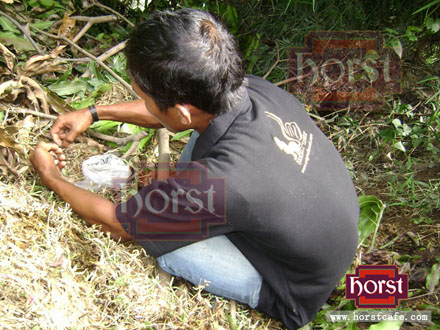
- Excretion: The beans are expelled intact in the civet’s feces. They are hand-collected—not by sifting through waste, but via direct human gathering.
- Cleaning: Collected beans are meticulously washed to remove all contaminants.
- Roasting:
- Only a light roast is applied to preserve the unique flavors developed during digestion.
- Quality Control: UV treatment is used to sterilize the beans, ensuring they are 100% safe for consumption.
Who Produces and Certifies Luwak Coffee?
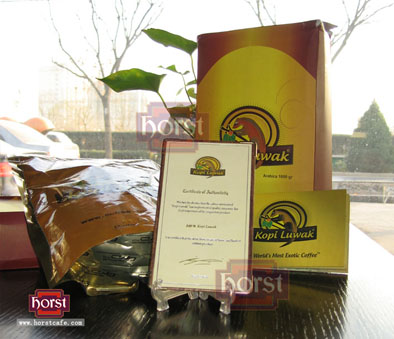
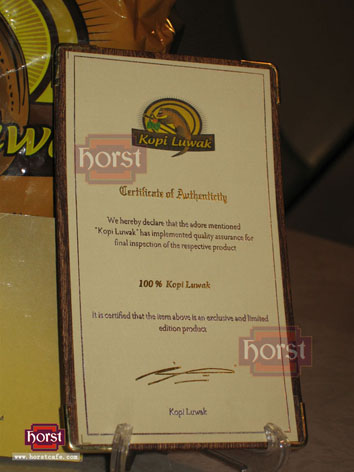
Luwak coffee is supplied by vendors who are members of multiple international coffee organizations, including the International Coffee Organization, the Indonesian Coffee Exporters Association, the Indonesian Specialty Coffee Association, the Specialty Coffee Association of America, and the Japan Specialty Coffee Association. The supply chain also meets strict international standards:
- Suppliers hold food safety certification from the U.S. National Center for Health and Human Services.
- Beans are tested and certified by Indonesia’s SUCOFINDO analytical lab.
- Halal certification ensures compliance with Islamic dietary laws.
Additionally, the beans are 100% manually handpicked, certified organic, and legally authorized by the local Aceh government. The collection area spans 1,200 acres, with a team of 18 trained workers divided into three groups of six. Only about 50% of collected beans meet the high-quality threshold for production. All collection and processing is conducted under strict supervision to maintain global quality and safety benchmarks.
What Does Luwak Coffee Taste Like?
Cupping evaluations focus on aroma, flavor, acidity, body, aftertaste, and overall balance. Top-tier Luwak coffee is selected for its smooth mouthfeel, balanced acidity, and medium body. Expected tasting notes include:
- Nutty undertones (especially roasted almonds)
- Chocolatey richness
- Subtle hints of spice
- A long, clean finish that lingers on the palate
These qualities make it stand out from conventional Sumatran coffees, which are typically bold, earthy, and herbal due to the wet-hulled (giling basah) processing method. Luwak coffee, by contrast, is unusually smooth and low in astringency for a Sumatran origin.
How Is Luwak Coffee Packaged and Sold?
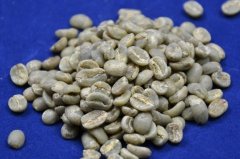
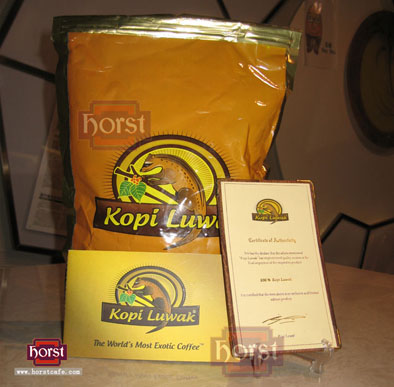
Luwak coffee is packaged in sealed vacuum boxes made of durable cardboard. The standard offering is 1 kilogram of 100% raw, green Luwak coffee beans. Every batch is fully traceable, cleaned, and processed under controlled conditions. The packaging preserves freshness and prevents contamination.
Health and Safety Certifications
Beyond taste, Luwak coffee is marketed for its potential health benefits, many of which are common to all high-quality Arabica coffee:
- Rich in antioxidants, including chlorogenic acid and caffeic acid.
- A standard 200 ml cup of Arabica coffee contains approximately 70–200 mg of chlorogenic acid.
- Antioxidants in coffee may help prevent certain diseases and reduce oxidative stress.
The coffee is also certified halal, USDA-compliant, and tested for food safety and hygiene. UV-treated to eliminate microbial risks, it is considered both safe and wholesome.
Why Is Luwak Coffee So Expensive and Rare?
Several factors contribute to the rarity and high price:
- The limited geographic area where high-quality beans are produced (Aceh highlands).
- The reliance on wild civets that selectively eat only ripe cherries.
- Labor-intensive collection: only about half of gathered beans meet quality standards.
- Strict manual sorting, cleaning, and roasting protocols.
- The unconventional and time-consuming production process.
As a result, genuine Luwak coffee remains among the rarest and most expensive coffees in the world. It’s often considered a novelty, but for many enthusiasts, it’s a truly unique sensory experience.
Frequently Asked Questions
What is the origin of Luwak coffee?
Luwak coffee originates from the central highlands of Aceh in northern Sumatra, Indonesia. It is made from Arabica coffee beans that have been eaten and excreted by the Asian palm civet, a process that occurs only in this specific region with its unique volcanic soil and climate.
How does the civet affect the coffee beans?
The Asian palm civet digests only ripe coffee cherries. Enzymes in its stomach break down the proteins in the beans, altering their chemical structure. This fermentation-like process inside the civet reduces bitterness and contributes to the coffee’s smooth, complex flavor profile.
Is Luwak coffee safe to drink?
Yes. Luwak coffee undergoes thorough washing, UV sterilization, and light roasting. It is certified by multiple international health and food safety authorities, including the U.S. National Center for Health and Human Services and Indonesia’s SUCOFINDO lab. It is also halal-certified.
What does Luwak coffee taste like compared to regular Sumatran coffee?
Unlike typical Sumatran coffees, which are bold, earthy, and spicy due to wet-hulling, Luwak coffee is smooth, low in astringency, and features notes of chocolate, almond, and spice. It has a cleaner, more balanced cup profile.
Why is Luwak coffee so expensive?
Luwak coffee is expensive due to its limited production area, the selective feeding habits of wild civets, labor-intensive hand collection, strict quality control, and the unique processing method. Only about 50% of collected beans are usable, adding to its rarity.
Can I find Luwak coffee in regular coffee shops?
Rarely. Genuine Luwak coffee is extremely rare and mostly sold as a specialty item online or in exclusive markets. Most commercially available 'kopi luwak' is not authentic or ethically sourced, so caution is advised.
Recommended FrontStreet Beans for Luwak Coffee Fans
If you’re intrigued by Luwak coffee’s smooth profile and exotic backstory, try FrontStreet’s PWN Golden Mandheling. It’s a meticulously selected Sumatran single origin with ultra-low defect rates, bright sweetness, and heavy body—offering herbal, spicy, and earthy notes without the bizarre backstory. For something equally clean and refined, Lintong Mandheling delivers classic Indonesian heft with clove, dark chocolate, and molasses tones. Both are great alternatives for those curious about Sumatra’s terroir. Freshly roasted within 5 days · Orders placed before 17:00 ship the same day · Next-day delivery across most of Guangdong Province.
FrontStreet Coffee is a long-established specialty coffee roaster in Guangzhou China, selling freshly roasted beans from its own farm in Yunnan as well as dozens of carefully selected single-origin beans from around the world for both pour-over and espresso. The products deliver consistently excellent quality and great value, with shipping within 24 hours. Guangzhou's FrontStreet Coffee shop is recommended by many coffee lovers, and the beans are now available online at the Tmall 。
Important Notice :
前街咖啡 FrontStreet Coffee has moved to new addredd:
FrontStreet Coffee Address: 315,Donghua East Road,GuangZhou
Tel:020 38364473