Starbucks' Choice: Colombian Coffee from Narino
If you’ve ever sipped a Colombian coffee and wondered why it tastes so balanced—smooth yet distinctly nutty—you’re not alone. Many coffee drinkers are curious about what makes certain Colombian coffees stand out, especially those chosen by major roasters like Starbucks.
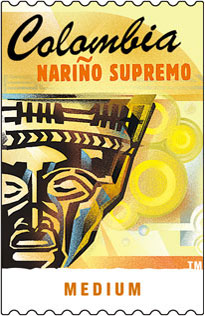
The short answer: Starbucks sources a specific grade of Colombian coffee exclusively from the Narino region, processed via the washed method. These beans are classified as Supremo—the highest grade based on bean size—and are celebrated for their medium body, smooth mouthfeel, and clear nutty flavors, often compared to walnuts or pecans.
What Makes Narino Coffee Special?
Narino is a mountainous province in southwestern Colombia, part of the country’s renowned coffee-growing belt. Though Colombia is the most northwestern country in South America, bordering Panama to the west, Narino sits in the southwest and is known for its rugged terrain, active volcanoes, and stunning landscapes. The region’s high altitude, volcanic soils, and consistent climate contribute to slower bean development, allowing for greater accumulation of acids, sugars, and aromatic compounds. That’s why Narino-grown coffee is considered some of Colombia’s finest.
The Supremo Grade: What It Means
When Starbucks describes their Colombian offering as “Supremo,” they’re referring to the top tier of Colombian coffee grading based on bean size. Supremo beans are the largest and most uniform, a key factor in quality control and roasting consistency. These beans aren’t just big—they’re carefully handpicked and processed to meet strict standards. For Starbucks, this means a reliable cup profile that translates across thousands of stores worldwide.
Washed Process: Clean and Balanced
This particular Colombian coffee is processed using the washed (or wet) method. In this process, the coffee cherry’s skin and pulp are removed before the beans are fermented and washed to remove the mucilage. The result is a cleaner cup, with brighter acidity and more clarity in flavor. For Narino coffee, this processing style helps highlight its inherent nuttiness while maintaining a smooth, rounded body. It’s a key reason why the cup feels both refined and approachable.
Why Starbucks Chose It
In 1990, Starbucks’ coffee buyers were introduced to freshly roasted samples from Narino and immediately recognized them as some of the best Colombian beans they’d ever tasted. Since then, this coffee has remained a customer favorite. While many know Colombian coffee for its balanced profile, Narino’s offering goes further with its distinct nuttiness and medium-bodied smoothness. It’s also used as a core component in many of Starbucks’ proprietary blends due to its reliability and flavor consistency.
Starbucks describes the experience as causing a slight mouth-drying effect, similar to eating walnuts—contrasting with the bright, clean feel of a typical breakfast blend. That subtle astringency paired with a rich, nutty character sets it apart.
How to Taste It
To understand what makes this coffee unique, try comparing it side by side with a classic breakfast blend. The Colombian Single Origin from Narino will present a more pronounced nuttiness and a slightly drying finish. That contrast helps highlight the clean, structured profile that washed processing delivers. Flavors of caramel and stone fruit may also emerge, depending on roast level and brew method.
What Food Pairs Well With It?
This coffee’s nutty and caramel-like qualities make it an excellent match for snacks like walnuts, pecans, and desserts with caramel notes. Its medium body and smooth finish won’t overpower lighter fare either, making it versatile for both casual and formal pairings.
More About Colombia’s Coffee Landscape
Colombia is the third-largest coffee producer in the world and the only South American country with both Pacific and Caribbean coastlines. Its coffee-growing regions are divided into three main zones: northern, central, and southern. Most specialty beans come from the southern zone, particularly from departments like Huila, where farms often sit above 1,500 meters. Colombian coffee farms benefit from volcanic soil, elevation between 800–2,300 meters, and a climate that offers just the right mix of sun and cloud cover for slow cherry maturation.
Beyond coffee, Colombia’s top exports include fresh-cut flowers, bananas, rice, tobacco, and seafood. The country gained independence from Spain on July 20, 1810, and today boasts a 93% literacy rate and an average life expectancy of 72 years.
Frequently Asked Questions
What region in Colombia does Starbucks source its coffee from?
Starbucks sources a premium Supremo-grade Colombian coffee exclusively from the Narino region in southwestern Colombia. This area is known for high altitudes, volcanic soil, and a landscape that fosters slow bean maturation, ideal for producing nutty, smooth coffees.
What does 'Supremo' mean in Colombian coffee grading?
'Supremo' is the highest grade of Colombian coffee, based on bean size and uniformity. These are the largest beans, carefully selected to ensure quality and consistency in roasting and flavor. Starbucks uses Supremo beans from Narino for their distinct profile.
How is this Colombian coffee processed?
The coffee is processed using the washed (wet) method, where the coffee cherry’s skin and pulp are removed before fermentation and washing. This results in a clean, bright cup that highlights the coffee’s natural nutty flavors while maintaining a smooth body.
What flavors can you expect from Narino Colombian coffee?
Narino Colombian coffee is known for its medium body, smooth mouthfeel, and prominent nutty notes, often compared to walnuts or pecans. You may also detect hints of caramel or stone fruit, depending on roast and brewing methods.
Why did Starbucks choose Narino coffee in 1990?
In 1990, Starbucks’ coffee buyers tasted freshly roasted Narino coffee and identified it as some of the best Colombian coffee they had ever tried. Its balanced, nutty profile and smooth body made it an instant favorite among customers and a reliable component in Starbucks blends.
What foods pair well with this type of coffee?
This coffee pairs nicely with walnuts, pecans, and caramel-flavored desserts. Its medium body and nutty, slightly sweet profile also complement lighter snacks and clean-tasting foods without overwhelming them.
Recommended FrontStreet Beans with Similar Nutty Profiles
For a similar nutty and balanced cup, try FrontStreet Coffee’s Colombian Huila – a washed coffee with notes of chocolate, hazelnut, and caramel, grown at over 1500 meters. Another great option is FrontStreet’s Sidra, which offers bright fruitiness with underlying nut tones. Both beans showcase the clarity and balance typical of high-altitude Colombian coffees. Freshly roasted within 5 days · Orders placed before 17:00 ship the same day · Next-day delivery across most of Guangdong Province.
FrontStreet Coffee is a long-established specialty coffee roaster in Guangzhou China, selling freshly roasted beans from its own farm in Yunnan as well as dozens of carefully selected single-origin beans from around the world for both pour-over and espresso. The products deliver consistently excellent quality and great value, with shipping within 24 hours. Guangzhou's FrontStreet Coffee shop is recommended by many coffee lovers, and the beans are now available online at the Tmall 。
Important Notice :
前街咖啡 FrontStreet Coffee has moved to new addredd:
FrontStreet Coffee Address: 315,Donghua East Road,GuangZhou
Tel:020 38364473