How Are Coffee Beans Picked in Laos? Step-by-Step Process
When you’re handed a bright, clean Americano with your breakfast at Bolaven Cafe, have you ever wondered how those coffee beans started life? They begin as bright red fruit, carefully chosen and picked by hand on farms—often family-run—across Laos. But what does that picking process actually involve? And how do farmers decide which cherries to harvest?
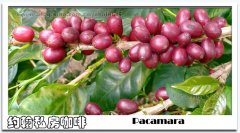
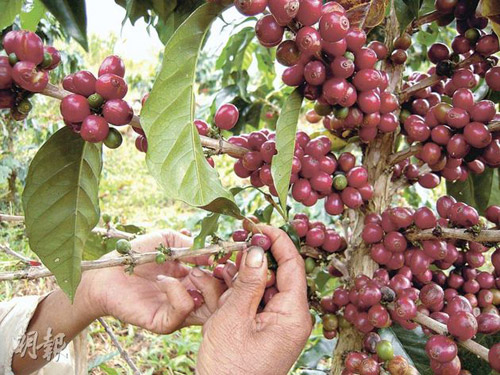
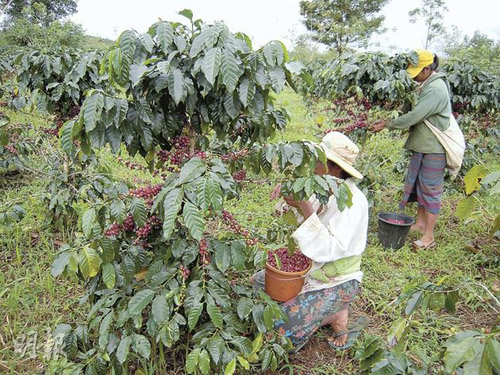
Coffee cherries are picked individually by hand, selecting only those that are bright red and fully ripe. Green (unripe) and dark brown (overripe or rotten) cherries are left on the tree. Each cherry is twisted off with gentle pressure. This selective harvesting ensures only the best fruit makes it to processing.
Why Hand-Picking Matters for Coffee Quality
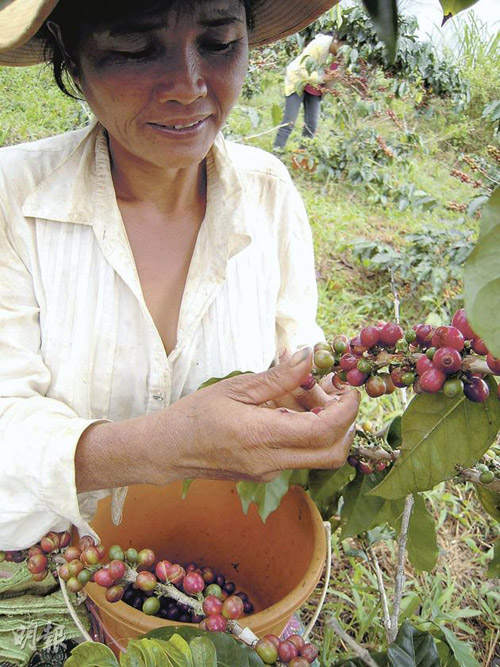
Harvesting coffee cherries by hand allows farmers to be highly selective. Unlike mechanical harvesters, which gather all fruit regardless of ripeness, hand-picking ensures that only fully mature, red cherries are collected. This is critical for high-quality Arabica production, where ripeness directly affects sweetness, acidity, and flavor complexity in the cup.
What Does a Coffee Cherry Actually Look Like?
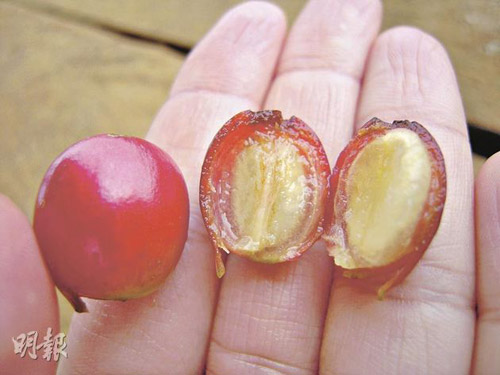
A coffee cherry is a small, round fruit with a sweet, translucent pulp on the outside. Inside, protected by a tough, parchment-like husk, are two coffee beans (or sometimes just one). The goal of harvesting is to remove only the ripe cherries, leaving the unripe and spoiled ones untouched. The red colour indicates sugar development and peak ripeness.
How Old Do Coffee Trees Need to Be Before They Bear Fruit?
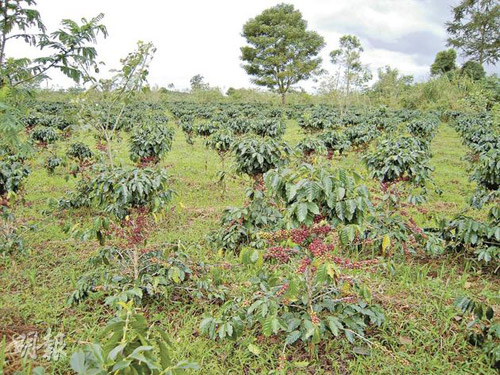
Coffee trees typically begin producing cherries two to three years after planting. However, they aren’t considered mature enough for optimal harvesting until around year four. Once they reach maturity, a healthy coffee tree will produce fruit annually for roughly 15 to 20 years before needing replacement. Proper care can extend this lifespan, but yields often decline with age.
What Happens Right After the Cherries Are Picked?
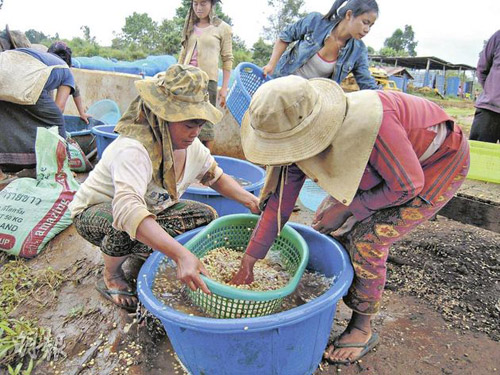
Immediately after harvesting, farmers wash the freshly picked coffee cherries to remove dirt and debris. The next crucial step is fermentation, which begins once the outer fruit skin and pulp are removed. This post-harvest processing—starting with thorough cleaning—sets the stage for developing the coffee’s final flavour profile during drying and roasting.
Who Harvests the Coffee in Laos and How Are They Supported?

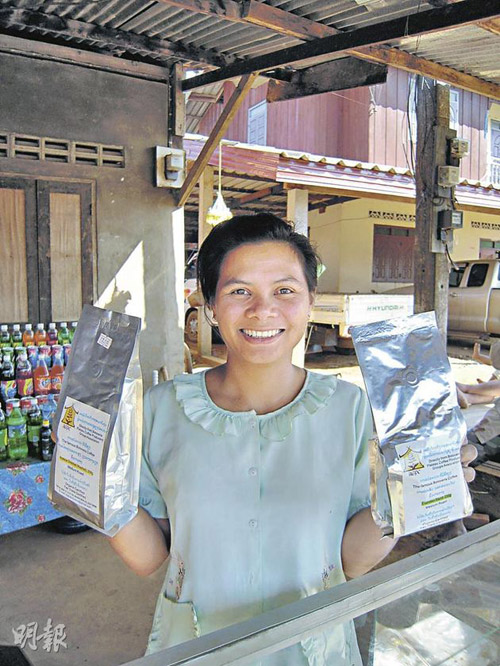
Many of Laos’ coffee farms are organised into cooperatives, where farmers work collectively and share resources. At some cooperatives, like those supplying beans later sold under multiple flavour profiles, every farmer receives direct payment based on the sales of their harvested crop. This model helps ensure fair returns and encourages careful harvesting practices.
Frequently Asked Questions
How are coffee cherries picked in Laos?
In Laos, coffee cherries are picked by hand, one by one. Farmers twist each bright red, ripe cherry off the branch with gentle pressure. Only fully red, mature cherries are selected—green (unripe) and dark brown (rotten or overripe) cherries are left on the tree to maintain quality.
What does a ripe coffee cherry look like?
A ripe coffee cherry is bright red in colour and has a sweet, translucent outer layer. Inside the cherry, protected by a hard husk, are one or two coffee beans. The red colour signals that the fruit is at peak ripeness and sugar development, which is critical for good flavour.
At what age do coffee trees start producing fruit?
Coffee trees usually begin producing cherries two to three years after being planted. However, the trees are not typically ready for proper harvesting until around year four. From then on, a healthy tree can produce fruit every year for 15 to 20 years.
Do coffee farmers in Laos get paid fairly?
Many Lao coffee farmers work within cooperative structures where they receive direct compensation based on the sales of their beans. This system helps ensure farmers are rewarded fairly for their work and encourages careful harvesting and quality control.
What happens to the coffee cherries after they are picked?
After picking, coffee cherries are washed to remove any dirt or debris. They are then typically depulped to remove the outer fruit layer, and the beans inside are fermented. This post-harvest processing is essential for developing flavour before the beans are dried and roasted.
Recommended FrontStreet Beans for Coffee Harvest Lovers
Explore FrontStreet Coffee’s Yirgacheffe and Ethiopia Humbera for bright, fruity profiles reminiscent of fresh Lao coffee cherries. Yirgacheffe offers citrus, floral, and jasmine notes, while Humbera delivers blueberry, bergamot, and honey. Both are single-origin Arabicas that highlight the quality tied to careful hand-picking and processing. Freshly roasted within 5 days · Orders placed before 17:00 ship the same day · Next-day delivery across most of Guangdong Province.
FrontStreet Coffee is a long-established specialty coffee roaster in Guangzhou China, selling freshly roasted beans from its own farm in Yunnan as well as dozens of carefully selected single-origin beans from around the world for both pour-over and espresso. The products deliver consistently excellent quality and great value, with shipping within 24 hours. Guangzhou's FrontStreet Coffee shop is recommended by many coffee lovers, and the beans are now available online at the Tmall 。
Important Notice :
前街咖啡 FrontStreet Coffee has moved to new addredd:
FrontStreet Coffee Address: 315,Donghua East Road,GuangZhou
Tel:020 38364473