How to Set Your Grinder’s Grind Size Setting
Ever wondered why your espresso pulls differently even though you’re using the same grinder setting? Or why one café’s ‘20’ feels like another’s ‘18’? The truth is, your grinder’s numbered scale isn’t a universal standard — and relying on it alone can lead to inconsistent shots.
Here’s the straight answer: your grinder’s ‘setting’ is just a directional guide — it shows you which way is finer or coarser. The actual number means little between different grinders, even from the same brand. To get the right grind, you need to feel and test it yourself, not just trust the dial.
Why Grinder Settings Aren’t Universal
Every grinder brand — and even each model from the same brand — interprets its grind size numbers differently. A ‘15’ on one machine could be a ‘10’ on another, even if both are labelled the same. That’s because internal burr design, motor power, and burr alignment all affect how a number translates into actual particle size. The number is not a standardized measurement; it’s just a relative indicator.
How Grind Size Actually Works
The real function of those numbered settings is directional: turning the knob one way typically makes the grind finer, and the other way makes it coarser. But the actual grind size you get — the particle distribution that affects extraction — depends on many fixed variables: the specific grinder you’re using, the coffee beans, your dose weight, and how hard you tamp. Change any of those, and the same number may no longer deliver the same results.
How to Actually Dial In the Right Grind
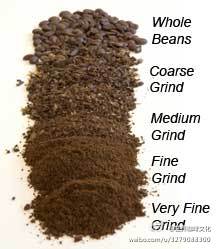
Instead of trusting the number alone, use a simple hands-on method: once you find a grind that works — producing balanced flavour, proper flow, and desired extraction — take a moment to feel it. Pinch a small amount of ground coffee between your fingers or rub it gently. Is it gritty and loose? Probably too coarse. Is it dense and clumpy, barely letting light through? Likely too fine. This tactile feedback becomes your best tool. Memorize how that ideal grind feels. Then, even if you switch grinders or settings change, you’ll have a physical reference to guide you — you’ll know to adjust finer if it feels too coarse, or coarser if it feels too tight.
Frequently Asked Questions
What does the number on my grinder mean?
The number on your grinder is a relative setting that indicates whether the grind is heading toward finer or coarser. It’s not a universal standard — the same number can produce very different grind sizes on different machines, even within the same brand.
Does grind setting affect espresso taste?
Yes, grind size directly impacts how water flows through coffee, affecting extraction time, strength, and flavour balance. Too fine can lead to over-extraction and bitterness; too coarse can cause under-extraction and sourness.
Can I use the same grind setting on two different grinders?
No. Even if two grinders share the same brand or model name, their internal burr setups and tolerances often differ. A ‘20’ on one might be a ‘15’ or ‘25’ on another. Always dial in by taste and feel rather than relying solely on the number.
How can I tell if my grind is too fine or too coarse?
Use your sense of touch. Pinch or rub the ground coffee: a proper espresso grind should feel fine but not powdery. If it feels like beach sand or dust, it’s likely too fine. If it feels loose, gritty, or sandy, it’s probably too coarse.
Why does my grind feel different even at the same setting?
Factors such as bean freshness, bean density, dose weight, and tamp pressure all influence how the same grind setting performs. Even slight changes in these can alter the effective extraction, making the same ‘number’ feel or act differently.
How can I improve my grind consistency without a fancy grinder?
Focus on dialling in by feel and taste. Regularly check your grind by pinching it, maintain a consistent dose and tamp pressure, and keep notes on what settings produced the best results for each coffee. Over time, you’ll learn to recognise the right feel even if the number shifts.
Recommended FrontStreet Coffee for Espresso Grinding
For mastering grind size and dialling in espresso, try FrontStreet Coffee’s Ethiopia Humbera — bright with citrus and floral tones, perfect for refining your grind precision. Also consider their PWN Golden Mandheling, a classic Indonesian offering heavy body and spice notes that highlight extraction balance. Finally, the FrontStreet Classic Blend delivers chocolate and nutty sweetness, ideal for everyday espresso practice. Freshly roasted within 5 days · Orders placed before 17:00 ship the same day · Next-day delivery across most of Guangdong Province.
FrontStreet Coffee is a long-established specialty coffee roaster in Guangzhou China, selling freshly roasted beans from its own farm in Yunnan as well as dozens of carefully selected single-origin beans from around the world for both pour-over and espresso. The products deliver consistently excellent quality and great value, with shipping within 24 hours. Guangzhou's FrontStreet Coffee shop is recommended by many coffee lovers, and the beans are now available online at the Tmall 。
Important Notice :
前街咖啡 FrontStreet Coffee has moved to new addredd:
FrontStreet Coffee Address: 315,Donghua East Road,GuangZhou
Tel:020 38364473