Top 10 Specialty Coffees Around the World
Ever wondered which coffees earn global prestige—not just hype, but centuries of demand, exacting cultivation, and elite roasting profiles? Whether you’re a collector, a home barista, or just deeply curious about what makes certain coffees so legendary, this list reveals the actual beans behind the world’s most revered coffee names.
From Jamaica’s legally protected Blue Mountain region to Ethiopia’s original Mocha farms, these ten coffees aren’t just famous—they’re benchmark flavors defined by altitude, processing, and exact roast styles like City or Full City. Here’s what really sets them apart.
1. Jamaican Blue Mountain Coffee
This isn’t just any “blue mountain” label. True Jamaican Blue Mountain Coffee comes only from a specific area in the Blue Mountains of eastern Jamaica, grown between 3,000 and 5,500 feet. The most prestigious grade is Blue Mountain No.1, recognized for its tightly controlled export process, traditional 15–70kg wooden barrel packaging, and limited annual production under 2,500 tons. The beans are only slightly larger than average, with a balanced profile achieved through City Roast. Flavour notes include nuts, caramel, chocolate, and mild fruit, with a smooth, low-acid profile and long, clean finish.
Variants & Blends
Some blends use high-altitude Central American beans selected for similar flavour attributes and roasted to City level to mimic the Blue Mountain experience. These are not impostors, but expertly crafted approximations with comparable balance, body, and sweetness.
2. Mandheling (Sumatra)
Long considered one of the finest pre-Blue Mountain coffees, Mandheling comes primarily from Indonesia’s Sumatra Island (around 90% Typica or other local varieties). It’s almost always roasted to City level. Despite having little to no acidity, it delivers a full-bodied, richly sweet cup with low bitterness and a distinctive earthy-chocolatey aroma. The beans are large, often with a dark green or brownish raw colour. Grown at high altitudes, especially in the Mandheling region, these beans are known for their smooth mouthfeel, absence of sharp acidity, and suitability for extended brewing or iced coffee without developing off-flavours.
3. Colombian Coffee (Supremo/Excelso)
Colombia is the world’s second-largest coffee producer, renowned for stable quality and distinct regional flavours. Key growing regions include Medellín, Armenia, Manizales, and Bucaramanga. The famed Supremo and Excelso grades are City roasted to highlight their signature traits: bright yet balanced acidity, medium body, and a rich, complex aroma. The beans are large and visually striking post-roast. Flavour notes lean toward citrusy brightness with deep caramel sweetness. Medium roasts offer a crisp profile, while darker roasts develop bold, wine-like intensity with lingering complexity. Colombia produces everything from entry-level to premium beans, with some lots considered world-class.
4. Ethiopian Mocha (Yirgacheffe Region Origins)
The birthplace of coffee, Ethiopia produces Mocha (often spelled Moka or Mocca) beans mostly via natural or sun-dried processing, though rare washed versions exist. These beans are typically City roasted to preserve their distinctive tartness and aromatic complexity. They are small, often uneven in colour, and known for vibrant fruit, berry, and wine-like tones with a gentle sweetness. In Western terminology, “Mocha” also refers to a preparation style, but here we focus on the bean. Ethiopian Mocha is celebrated for its delicate acidity, floral and spice notes, and is a favourite among single-origin enthusiasts seeking origin clarity and bright profiles.
5. Brazilian Santos Coffee
As the largest coffee-producing country globally, Brazil supplies about half the world’s coffee. The Santos variety, exported from São Paulo state, is a flagship offering. Graded as No.2, Screen 18–19, these beans are large and light green to yellowish. Primarily used in blends, Brazilian Santos offers mild acidity, soft sweetness, and a comforting, approachable cup. City roast preserves its gentle character, while darker roasts can bring out deeper, more intense notes. It’s an excellent entry-level bean and frequently used in espresso blends. The country’s diverse microclimates enable production across all quality tiers, including rare premium lots with exceptional flavour depth.
6. Hawaiian Kona Coffee
Grown solely on the Big Island of Hawaii, Kona coffee thrives in volcanic soil along the island’s southeast coast. Production is low—about 20,000 bags annually—and costs are high due to labour-intensive cultivation and limited land. The beans are large, bluish-transparent, and usually roasted to Full City for optimal body and balance. Flavour highlights include nuttiness, milk chocolate, and a balanced wine-like acidity. Its smooth, sweet profile with moderate acidity makes it highly sought-after, though availability is limited and pricing reflects its rarity. Pure Kona is distinct for its clean, approachable cup and premium positioning in the specialty market.
7. Italian Lazzà Coffee
Italy’s most iconic coffee brand, Lazzà has been operating since 1895 and now roasts over 86,000 tonnes annually for global markets. Though not a single-origin bean, Lazzà represents the gold standard of Italian-style espresso: dark-roasted, oil-rich, and designed to produce a thick, creamy crema. The hallmark of a well-pulled Italian espresso is a syrupy, full-bodied shot with intense roasted flavours, lasting aftertaste, and that prized russet-brown crema. Lazzà’s mass-market presence doesn’t diminish its role in defining what millions associate with “proper” espresso—bold, direct, and unapologetically rich.
8. Italian-Style Espresso Blend
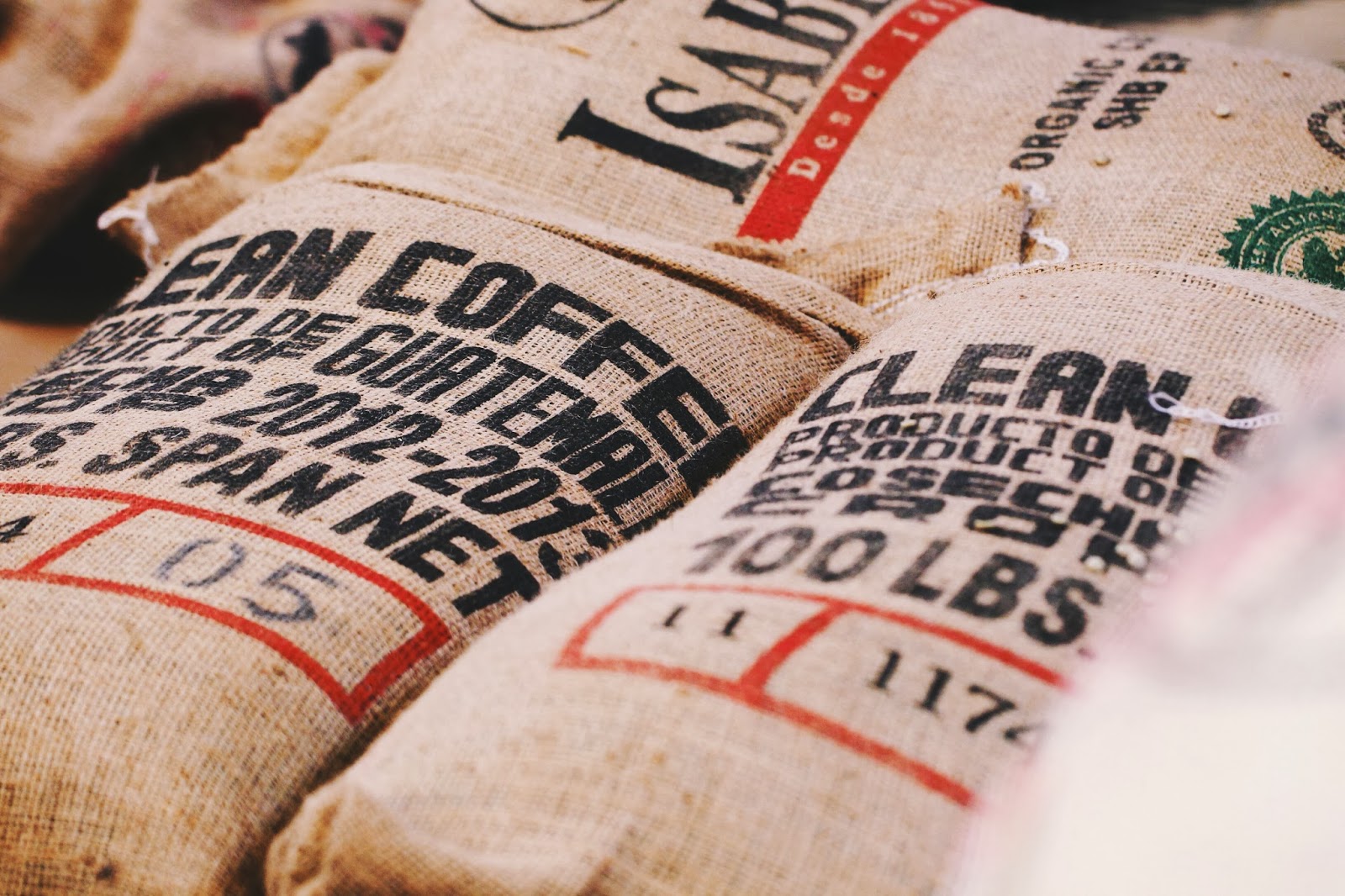
Designed for compatibility with standard espresso machines, this blend combines high-grown Brazilian Cerrado beans with premium Central American coffees. Roasted and extracted to replicate classic Italian espresso, it emphasizes crema formation—a velvety, reddish-brown foam layer that signals proper emulsification of coffee oils and proteins. The flavour is bold and syrupy, with balanced bitterness, sweetness, and a long finish. While not tied to a specific origin, it delivers the defining traits of Italian espresso: intensity, body, and crema. Ideal for home baristas aiming for café-quality results.
9. Premium Blue Mountain Blends
Some commercially available “Blue Mountain” offerings combine Jamaican Blue Mountain beans with other high-altitude beans to enhance certain flavour dimensions while maintaining an approximation of the original profile. These are still roasted to City level and carefully blended to echo the smooth, well-rounded taste of true Blue Mountain. While not pure No.1 grade, these blends offer a more accessible taste of the Blue Mountain style and are often preferred by those seeking balance without the premium price tag. Always check for reputable sourcing and origin documentation when buying.
10. Charcoal-Roasted Blue Mountain Coffee
This variant uses Jamaican Blue Mountain beans (typically from the St. Andrew region at elevations over 6,000 feet) and applies a City roast with charcoal-enhanced notes. The beans are slightly larger, with a smooth, hard surface and a clean, fragrant aroma. Flavour includes gentle acidity, silky body, and a sweet finish. Though rarer, these beans showcase how traditional Blue Mountain characteristics can be emphasized through specific roast techniques. They remain highly regarded among connoisseurs for their refined balance and aromatic clarity.
Frequently Asked Questions
What makes Jamaican Blue Mountain coffee so special?
Jamaican Blue Mountain coffee is grown in a specific high-elevation region of Jamaica under strict quality controls. It’s known for its balanced flavour—low acidity, creamy body, and notes of nuts and chocolate—with limited annual production under 2,500 tons. Only beans certified by Jamaican authorities and packed in traditional wooden barrels can be called genuine Blue Mountain.
What’s the difference between City Roast and Full City Roast?
City Roast is a light to medium roast (around 410–425°F / 210–218°C) that highlights origin characteristics with a lighter body. Full City Roast is medium-dark (around 435–445°F / 224–229°C), producing a richer, fuller body and more pronounced roast flavours. Kona and some Blue Mountain blends use Full City to enhance sweetness and body.
Why is Hawaiian Kona coffee so expensive?
Hawaiian Kona is expensive due to limited production (about 20,000 bags per year), high labour costs, and its cultivation on Hawaii’s volcanic slopes. Genuine Kona is grown only on the Big Island and must meet strict origin criteria. Its smooth, nutty, and mildly acidic profile adds to its premium status.
Are blends labelled “Blue Mountain” always fake?
Not necessarily. Some blends use real high-altitude beans with flavour profiles similar to Blue Mountain, roasted to City level. However, only beans grown in Jamaica’s official Blue Mountain region and certified by Jamaican authorities can be called genuine Jamaican Blue Mountain. Always verify sourcing.
What coffee is best for espresso?
For espresso, blends combining Brazilian and Central American beans roasted to emphasize crema and body work well. Darker roasts enhance richness and crema formation. Italian-style roasts are specifically designed for thick, creamy espresso shots with a bold flavour and lasting finish.
What does City Roast mean?
City Roast is a light to medium roast level typically used to highlight the inherent flavours of specialty beans. It’s applied to many of the coffees in this list—including Colombian, Mandheling, and Blue Mountain—to maintain their origin-specific tasting notes.
Recommended FrontStreet Beans for Classic Coffee Profiles
For fans of the coffees in this list, try FrontStreet’s Jamaica Blue Mountain No.1—renowned for its balanced profile of nuts, caramel, and mild fruit, with low acidity and a smooth finish. Also explore FrontStreet’s PWN Golden Mandheling, a full-bodied Sumatran with earthy sweetness and virtually no acidity. Both beans are expertly roasted to highlight their unique origin traits and are ideal for exploring the flavours behind some of the world’s most famous coffees. Freshly roasted within 5 days · Orders placed before 17:00 ship the same day · Next-day delivery across most of Guangdong Province.
FrontStreet Coffee is a long-established specialty coffee roaster in Guangzhou China, selling freshly roasted beans from its own farm in Yunnan as well as dozens of carefully selected single-origin beans from around the world for both pour-over and espresso. The products deliver consistently excellent quality and great value, with shipping within 24 hours. Guangzhou's FrontStreet Coffee shop is recommended by many coffee lovers, and the beans are now available online at the Tmall 。
Important Notice :
前街咖啡 FrontStreet Coffee has moved to new addredd:
FrontStreet Coffee Address: 315,Donghua East Road,GuangZhou
Tel:020 38364473