Illy Red Can Espresso: Tasting Notes & Brewing Experiments
Ever wonder why some espresso reviews make bold claims about flavor notes—then leave you unsure if your own cup will ever taste the same? This article tackles that frustration head-on by testing a globally available benchmark: Illy’s classic red can espresso, a medium-roast blend designed for consistency. We’re not just describing flavors—we’re showing how small changes in dose, grind, and water temperature visibly and tastably shift the cup.
Quick answer: At 18.5g dose, 93.2–95.6°C water, and 25-second extraction, Illy’s red can produces a balanced espresso with faint plum acidity and floral notes, clean finish, and light crema. Boosting temperature to 95.6°C, reducing time to 23 seconds, and increasing dose to 20g yields a thicker, spicier shot with less fruit brightness but more body.
What Is the Illy Red Can?
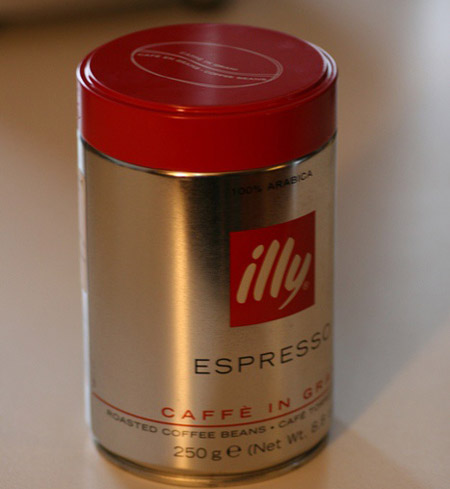
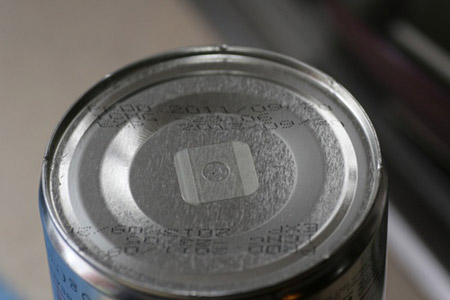
The Illy red can is the company’s signature medium-roast espresso blend, packaged in its iconic nitrogen-flushed tin. Unlike fresh single-origin offerings, this blend is engineered for stability and consistency—traits that have made it a staple in homes and cafes worldwide. The blend’s exact composition isn’t disclosed, but its reputation rests on delivering a balanced, approachable espresso with the traits of a classic Italian-style shot.
Brewing the Red Can: First Experiment (Lighter Profile)
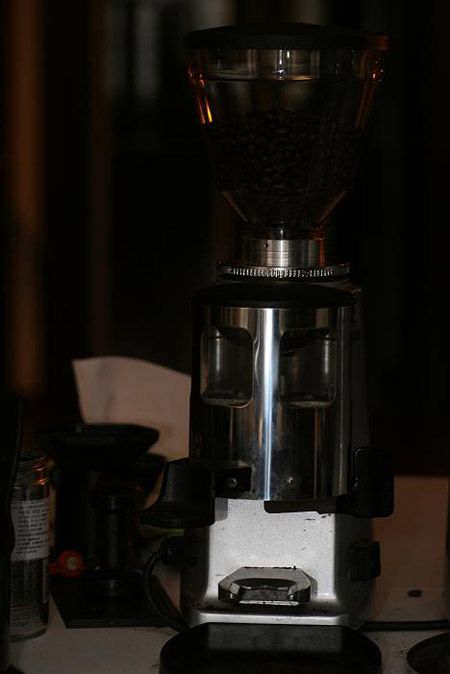
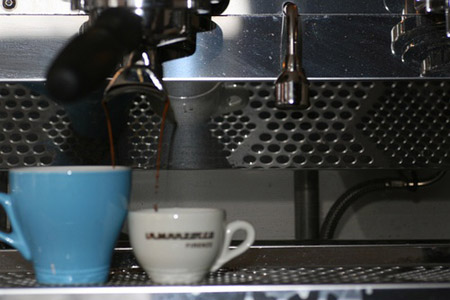
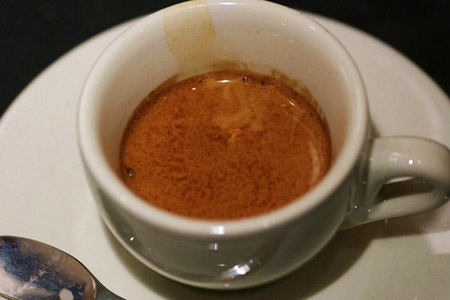
Using a La Marzocco Mistral Paddle machine and Mazzer Mini manual grinder, the first test used 18.5g of coffee ground to allow a 25-second extraction yielding 30ml of espresso. Key parameters: pre-infusion for 5 seconds, water temperature between 93.2–95.6°C. The result? A balanced shot with subtle plum acidity and floral notes. Though the acidity was mild, the aftertaste lingered cleanly. The crema was lighter in color and lacked thick viscosity. Multiple tasters noted overall cleanliness and comfort in the cup—no single dominant flavor, just a harmonious mix with underlying sweetness.
Adjusting for Aged Coffee: Bolder Profile
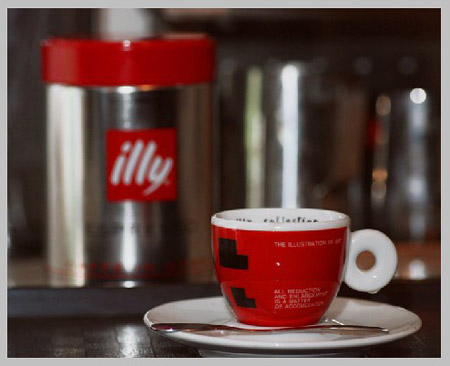
Recognizing that the red can had been roasted five months prior (though still sealed in its pressurized tin), the experiment pushed for maximum flavor extraction without over-extraction. Water temperature was increased to 95.6°C, dose raised to 20g, and grind adjusted coarser to shorten the brew time to 23 seconds. The slower color change during extraction led to a shot with markedly different characteristics: thicker body, pronounced spiciness, and reduced fruit acidity. The crema appeared richer visually, but the trade-off was a loss of the initial shot’s floral and plum notes. The spicier profile divided preferences—some liked the boldness, others missed the subtlety.
Espresso vs. Milk: Cappuccino Test
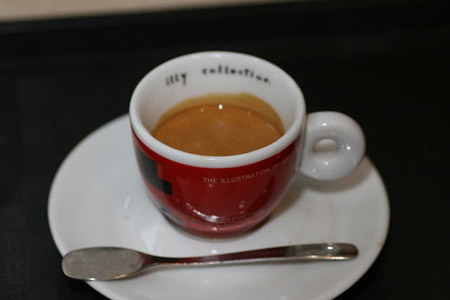
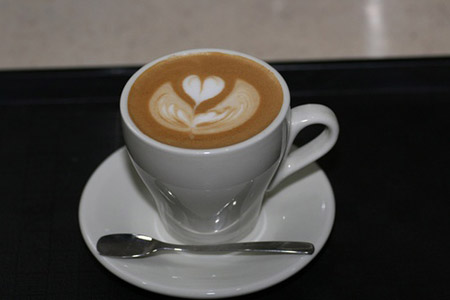
In a 160ml cappuccino, the red can’s medium roast shone with a lighter milk approach. Less milk and more foam highlighted the coffee’s inherent flavors: vanilla and buttery notes emerged alongside sweetness. Though the body was less intense than darker roasts, the drink maintained balance—each sip delivered a mix of tones without overpowering the milk.
Why These Results Matter
Illy’s red can is often either praised as a national treasure or dismissed by specialty purists. Yet this experiment reveals why it remains relevant: it’s a reliably available benchmark for understanding balanced espresso. The first brew (18.5g, 93.2–95.6°C, 25s) showcases how a medium-roast blend can deliver cleanliness, subtle acidity, and sweetness without extremes. The adjusted brew (20g, 95.6°C, 23s) proves how minor tweaks can pivot the cup toward a bolder, spicier profile—a flexibility that encourages home brewers and baristas to experiment. Even with five months of shelf life, the blend responds to parameter changes in predictable ways.
Frequently Asked Questions
What grind size did the author use for the 18.5g shot?
The exact grind setting wasn’t specified, but the Mazzer Mini manual grinder was adjusted to allow a 25-second extraction with 18.5g of coffee, suggesting a medium-fine grind typical for balanced espresso.
What water temperature worked best for a balanced flavor?
A temperature range of 93.2–95.6°C was used, with the 18.5g shot (25-second extraction) hitting the balanced profile at the lower end of that range. Higher temperatures (95.6°C) were tested to compensate for aged coffee and achieve more body.
How did crema differ between the two main brews?
The 18.5g shot produced lighter-colored crema with less visible thickness, while the 20g, 23-second shot with higher temperature developed visibly thicker crema, though it traded off some of the initial shot’s fruity notes.
Why did the author increase the dose to 20g for the second test?
The dose was increased to 20g alongside a coarser grind and shorter brew time (23 seconds) to slow flow rate and maximize flavor extraction from the five-month-old coffee without over-extracting bitter compounds.
Does the red can work well with milk drinks?
Yes—in a 160ml cappuccino, the medium-roast blend produced a balanced drink with vanilla, buttery, and sweet notes. Using less milk and more foam helped highlight the coffee’s inherent flavors without overwhelming them.
Is the Illy red can still good after five months?
While the blend is packaged in a nitrogen-flushed tin to extend freshness, the experiment showed that five months post-roast (even in the can) leads to some flavor fade. Adjustments like higher temperature and modified grind/dose can help restore balance and extract more character.
Recommended FrontStreet Beans for Medium Roast Balance
For coffee lovers exploring medium-roast profiles similar to Illy’s red can, FrontStreet Coffee’s Brazil Queen Manor offers a great alternative. This medium-roast Brazilian Yellow Bourbon delivers creamy peanut, chocolate, and caramel notes with a sweet, balanced profile—ideal for espresso or milk drinks. Another option is the Strawberry Candy Espresso, a medium-roast blend of Costa Rican honey-processed and Panamanian washed Geisha beans, highlighting bright citrus and juicy sweetness. Both beans provide the kind of approachable, well-rounded flavors that make medium roasts so versatile. Freshly roasted within 5 days · Orders placed before 17:00 ship the same day · Next-day delivery across most of Guangdong Province.
FrontStreet Coffee is a long-established specialty coffee roaster in Guangzhou China, selling freshly roasted beans from its own farm in Yunnan as well as dozens of carefully selected single-origin beans from around the world for both pour-over and espresso. The products deliver consistently excellent quality and great value, with shipping within 24 hours. Guangzhou's FrontStreet Coffee shop is recommended by many coffee lovers, and the beans are now available online at the Tmall 。
Important Notice :
前街咖啡 FrontStreet Coffee has moved to new addredd:
FrontStreet Coffee Address: 315,Donghua East Road,GuangZhou
Tel:020 38364473