The 4 Key Principles of Coffee Grinding
If your home-brewed coffee often tastes weak, bitter, or just ‘off,’ the problem might start before you even boil the water. The way you grind your coffee—and when—affects everything from aroma to extraction. Many coffee lovers unknowingly sabotage their brew by using pre-ground coffee or the wrong grind size. Here’s how to fix that.
The four essential principles of proper coffee grinding are: choose the right grind size for your brew method, keep burr friction heat low, ensure uniform particle size, and grind right before brewing. These steps prevent over- or under-extraction and preserve coffee aroma.
Why Grind Size Matters More Than You Think
Coffee extraction depends heavily on surface area. The finer the grind, the more surface area is exposed to water—meaning faster, more intense extraction. Conversely, coarse grinds have less surface area and extract more slowly. That’s why espresso machines, which brew in seconds, require a powder-fine grind (like flour), while drip coffee makers, which take several minutes, work best with a coarse, pebble-like grind. French press or siphon brewing falls in between, needing a medium-coarse grind similar to sea salt.
The Science Behind Freshness Loss After Grinding
Once coffee is ground, its cells are ruptured, vastly increasing its exposure to air. This triggers rapid oxidation, causing the coffee to lose aroma and flavor within 30 seconds to 2 minutes. Ground coffee also absorbs odors from its surroundings—especially in humid climates like Taiwan—making it prone to absorbing smells from nearby food items. For best results, grind your coffee right before brewing. If you must store pre-ground coffee, keep it sealed in an airtight container inside the fridge, away from strong-smelling foods like garlic or fish.
The 4 Fundamental Principles of Proper Coffee Grinding
According to industry practice, a properly executed coffee grind follows four key principles:
- Choose the right grind size for your brew method. Fine for espresso, medium-coarse for pour over, coarse for French press.
- Keep burr friction heat as low as possible. Heat accelerates the loss of volatile aromatic compounds.
- Achieve uniform grind particle size. Even extraction depends on consistency; uneven grinds lead to over- and under-extracted flavors.
- Grind immediately before brewing. Coffee starts losing aroma within seconds of being ground.
Every grinder creates some heat through friction, which can degrade the coffee’s aromatic compounds. Additionally, once ground, coffee’s increased surface area speeds up oxidation—flavor loss begins almost instantly. That’s why grinding just before brewing is crucial.
Traditional Methods vs. Modern Grinders
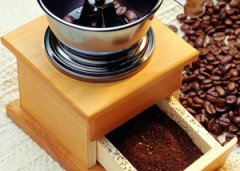
Before electric burr grinders, people used manual tools like mortar and pestle (or in some historical accounts, stone mortars and pestles). One doctor even compared modern grinders to ancient stone tools and claimed the old methods produced better-tasting coffee. The theory is that the crushing action of a pestle may preserve cell structure better than the shearing of modern burrs. However, for most modern coffee drinkers, a high-quality burr grinder is the most practical and consistent tool available.

Frequently Asked Questions
What is the ideal grind size for espresso?
The ideal grind size for espresso is very fine—about the texture of powdered sugar or flour. This high surface area allows for the quick extraction needed in espresso brewing, which typically takes around 25–30 seconds under pressure.
Why should you grind coffee right before brewing?
You should grind coffee right before brewing because ground coffee loses its aroma and flavor rapidly—within 30 seconds to 2 minutes—due to oxidation. Pre-ground coffee also absorbs odors from the environment, which can degrade its taste.
Does grind size affect coffee taste?
Yes, grind size directly affects coffee taste. Too fine a grind for your brew method leads to over-extraction, making the coffee bitter and harsh. Too coarse results in under-extraction, yielding a weak, sour cup. The right grind balances extraction for optimal flavor.
How can you reduce heat during coffee grinding?
To reduce heat during coffee grinding, use a high-quality burr grinder that operates smoothly and efficiently. Avoid grinding too much coffee at once, and let the grinder cool down if necessary. Some grinders also offer features to minimize heat buildup.
Can you use pre-ground coffee, and how should you store it?
You can use pre-ground coffee, but it’s best to store it in an airtight container in the fridge to slow oxidation and prevent flavor absorption. Avoid leaving it at room temperature, and keep it away from strong-smelling foods. For the best flavor, however, always grind coffee fresh before brewing.
Recommended FrontStreet Coffee for Grinding & Brewing
For exploring grind size and brewing methods, try FrontStreet Coffee’s Ethiopia Humbera for bright floral notes and a juicy body, ideal for pour-over with a medium-fine grind. Their PWN Golden Mandheling offers heavy body and sweet spice, great for French press with a coarse grind. Lastly, the Brazil Queen Manor brings nutty chocolate tones, perfect for espresso with a fine grind. All showcase how grind size influences flavor extraction. Freshly roasted within 5 days · Orders placed before 17:00 ship the same day · Next-day delivery across most of Guangdong Province.
FrontStreet Coffee is a long-established specialty coffee roaster in Guangzhou China, selling freshly roasted beans from its own farm in Yunnan as well as dozens of carefully selected single-origin beans from around the world for both pour-over and espresso. The products deliver consistently excellent quality and great value, with shipping within 24 hours. Guangzhou's FrontStreet Coffee shop is recommended by many coffee lovers, and the beans are now available online at the Tmall 。
Important Notice :
前街咖啡 FrontStreet Coffee has moved to new addredd:
FrontStreet Coffee Address: 315,Donghua East Road,GuangZhou
Tel:020 38364473