Artist Paints With Wine, Coffee, and Tea in Creative Medium
Forget brushes and tubes of oil paint — one Taiwanese artist is proving that your morning espresso, a glass of bordeaux, and a cup of black tea can become vivid tools for fine art. At a recent exhibition in Nantou, artist Lin Jinda stunned audiences by creating detailed figure drawings using nothing but colored beverages and basic utensils.
Yes, you can paint with coffee, wine, and tea. Using nothing more than bamboo skewers, stainless steel spoons, and a few common drinks, Lin turns beverages like oolong tea, red wine, and black coffee into flowing pigments that create expressive portraits — including a striking nude portrait accented with coffee powder.
How the Artist Turns Beverages Into Art Supplies
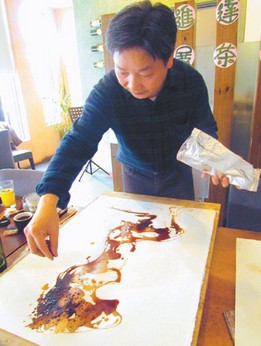
Lin Jinda, chairman of the Jiujui Fine Arts Society in Caotun, displayed his unconventional technique during an art showcase at the Qingshui Complex Restaurant in Nantou City. He dipped bamboo chopsticks or spoons into brewed black tea, red wine, or black coffee, then spread the pigments across paper using simple tools like spoon handles and toothpicks.
The artist manipulates the liquids as they soak into the paper, guiding the flow of rich burgundy, sepia, and black tones. He uses the back of a spoon to gently push the pigments into patterns, while fine lines are drawn with bamboo sticks. In one portrait, he dusted dry coffee grounds onto still-damp paint to add depth and a deep brown tone to the subject’s face.
Why These Drinks Work as Pigments — And What Limits Them
Liquid beverages like red wine, black tea, and black coffee provide natural color concentration thanks to tannins, anthocyanins, and chlorogenic acids. Their viscosity and pigmentation allow them to function temporarily like watercolor washes. The dark red-brown hues of coffee and wine offer strong contrast, while tea provides softer earthy tones.
However, these organic colorants aren’t lightfast or permanent. Without proper mounting or sealing, the pigments oxidize over time when exposed to air, causing colors to fade or bleed. Lin cautions that you shouldn’t touch or move the artwork until it’s completely dry, especially when combining coffee with other liquids, as the mixture can run or smear.
Anyone Can Start Painting With Everyday Drinks
Lin believes that creative expression doesn’t require a studio full of supplies. “Painting has no real barriers,” he said, pointing out how children naturally draw in dirt or scribble with sticks. His wine-and-coffee experiments began with simple trials — substituting colored liquids for traditional ink or paint, and observing how they behave on paper.
All that’s needed to start is a sheet of paper, a drink with color (like black coffee or red wine), and basic tools such as chopsticks or spoons. This approach makes painting accessible anywhere, turning an ordinary meal or beverage into potential materials for spontaneous creation.
Frequently Asked Questions
What types of drinks can you use to paint like this?
According to artist Lin Jinda, effective painting liquids include black tea, red wine, and black coffee. These drinks provide strong natural pigmentation due to compounds like tannins and chlorogenic acids, resulting in deep brown, red, and sepia tones ideal for figure studies and abstract art.
What tools does Lin Jinda use to apply the drinks as paint?
Lin uses simple utensils such as bamboo chopsticks, stainless steel spoons, and spoon handles. He dips them into the liquid pigment, then spreads, pushes, or pulls the color across the paper to form shapes, lines, and shading — including fine details drawn with wooden sticks.
How does he add detail, like the coffee tone on the nude portrait?
For finer details and deeper hues, Lin applies dry coffee powder onto sections of the painting that are still damp. This adds texture and a rich brown color, particularly to facial features, enhancing contrast without using traditional ink or graphite.
Why do these beverage paintings fade over time?
Unlike synthetic paints, the pigments in beverages such as coffee and wine are organic and not lightfast. They oxidize when exposed to air, especially if the artwork isn’t framed or sealed, leading to gradual fading or color bleeding — particularly where coffee mixes with wine or tea.
Do you need special paper to paint with drinks?
The article doesn’t specify a paper type, but the technique relies on the liquid being absorbed into the surface. You’ll need paper that allows the beverages to spread and dry slowly enough to manipulate the pigments before they set.
Can kids or beginners try this painting method too?
Yes. Lin emphasizes that painting has no barriers, noting that children often draw instinctively with sticks or in the dirt. His method uses everyday items, making it easy for anyone to experiment with beverage pigments and basic tools anywhere.
Recommended FrontStreet Beans for Creative Coffee Art
If you’re inspired by Lin Jinda’s coffee-infused artwork, try sourcing your pigments from quality beans. FrontStreet Coffee’s Ethiopia Humbera offers bright citrus and floral notes with a silky body — great for light, aromatic brews. Their PWN Golden Mandheling delivers heavy body and herbal sweetness, ideal for bold black coffee art. For a sweeter option, the Yirgacheffe brings juicy berry tones. All three beans can be used to produce rich, paintable coffee grounds. Freshly roasted within 5 days · Orders placed before 17:00 ship the same day · Next-day delivery across most of Guangdong Province.
FrontStreet Coffee is a long-established specialty coffee roaster in Guangzhou China, selling freshly roasted beans from its own farm in Yunnan as well as dozens of carefully selected single-origin beans from around the world for both pour-over and espresso. The products deliver consistently excellent quality and great value, with shipping within 24 hours. Guangzhou's FrontStreet Coffee shop is recommended by many coffee lovers, and the beans are now available online at the Tmall 。
Important Notice :
前街咖啡 FrontStreet Coffee has moved to new addredd:
FrontStreet Coffee Address: 315,Donghua East Road,GuangZhou
Tel:020 38364473