
12 Popular Single Origin Coffee Beans Explained
When you're standing in front of a shelf stacked with single origin coffees, how do you choose? Maybe you like fruity, bright cups. Or you might prefer smooth, low-acid brews. With so many origins and processing styles, picking the right beans can feel overwhelming. This guide helps you understand what makes 12 of the world’s most celebrated specialty coffee beans unique, so you can choose based on taste preference—not marketing.
There are 12 widely appreciated specialty coffee beans: Ethiopia’s native varieties, Panama’s Geisha, Jamaica’s Typica Blue Mountain, Indonesia’s Ateng Mandheling, and Brazil’s Bourbon, among others. Each offers a distinct flavor profile suited to different palates—from bright and juicy to deep and balanced.
Why Coffee Bean Flavor Varies by Origin
The way coffee tastes depends on more than just roast level. It starts with the coffee plant variety, then the terroir—altitude, climate, soil—and finally how the beans are processed. That’s why Ethiopian beans often taste fruity and tea-like, while Brazilian beans tend toward nutty and low-acid. Understanding these variables helps you pick beans that match your flavor preferences.
Ethiopia: Native Varieties with Bright Complexity
Ethiopia is the birthplace of coffee and home to nearly 2,000 recorded coffee varieties (1,927 native), giving it unmatched genetic diversity. This results in some of the most vibrant and complex flavor profiles in specialty coffee. Most Ethiopian coffees are processed either naturally or washed, highlighting either fruit-forward or clean, bright characteristics.
Take FrontStreet Coffee’s Ethiopia Humbera 8.0: grown in Guji’s Buku Abel mill at 2,250–2,350m altitude, this natural-process lot showcases notes of mixed berries, tropical fruit fermentation, strawberry acidity, and jackfruit. A light roast preserves its juicy acidity, making it refreshing like lemonade. For something more floral and winey, try Ethiopia Yirgacheffe offerings from Gedeb, known for jasmine, lemon, and stone fruit.

Panama: Geisha’s Global Fame
The Geisha (or Gesha) variety shot to fame after being planted in Panama’s high altitudes, where it developed intense floral and citrus notes. Originally from Ethiopia’s forest regions, Geisha was brought to Central America in the 1950s but only gained attention in the 2000s when Panama’s Peterson family won the Best of Panama competition with it.
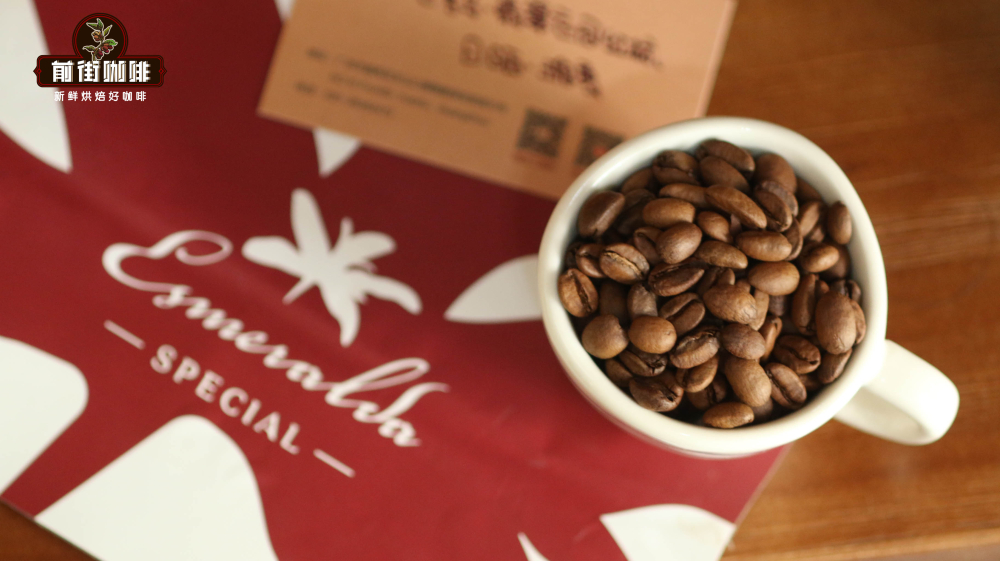
FrontStreet’s Panamanian Esmeralda Red Label Geisha, grown in Boquete at 1,700m, is processed naturally and delivers complex fruit juice flavors, bright citrus acidity, rose-like floral notes, honey sweetness, and a tea-like finish. It’s typically roasted to medium to preserve its delicate aromatics. Different Geisha lots vary, but all express unique complexity.

Jamaica: The Iconic Blue Mountain Typica

Jamaica Blue Mountain coffee comes exclusively from the Blue Mountains region and is renowned for its balance. True Blue Mountain coffee is grown at elevations between 1,200–1,700m, processed using washed methods, and is made from the Typica variety. It’s known for its mild profile, lacking extreme acidity or bitterness.
FrontStreet’s Jamaica Blue Mountain No.1 is certified by the Jamaica Coffee Board, packed in wooden barrels marked with a green frog (indicating Rainforest Alliance certification), and sourced from the Clynton Estate. It delivers sweet acidity, bold black chocolate, creamy body, and nutty depth. Roasted to medium-dark, it balances all its components without any single note dominating. Only beans from this region can be labeled “Blue Mountain”—everything else is merely “Blue Mountain style.”
Indonesia: Ateng Mandheling with Earthy Richness
Indonesian coffees, especially those from Sumatra, are famous for their full body and low acidity. The term “Mandheling” refers to a trade name, not a variety—but most Mandheling beans are actually the Ateng hybrid, a cross between Arabica and Robusta. This gives them a heavier mouthfeel, spicy undertones, and good sweetness despite higher bitterness.
FrontStreet’s PWN Golden Mandheling comes from the Gayo highlands in Aceh, processed via wet hulling (giling basah). It undergoes three rounds of manual sorting to ensure cleanliness, then is roasted medium-dark to enhance its herbal, clove-like spice, dark chocolate, caramel, and nutty notes. The wet-hulling process contributes to its signature earthy texture and syrupy body.

Brazil: Bourbon with Low-Acid Balance
Brazil is the world’s largest coffee producer, and much of its output is mild, low-acid coffee ideal for espresso blends. The Bourbon variety, a natural mutation of Typica, produces sweet, rounded cups with notes of chocolate and nut. While most Brazilian coffee is commercial grade, higher-elevation lots from regions like Mogiana offer distinctive profiles.
FrontStreet’s Brazil Queen Manor, grown at 1,400–1,950m in the Mogiana highlands, uses the Yellow Bourbon variety and is processed naturally. Expect black chocolate, cream, peanut, sugarcane, and nut flavors. Its wine-like acidity and sweet finish also make it great for filter brewing. Most Brazilian beans are roasted medium to dark to emphasize body and minimize acidity.

Other Notable Origins and Varieties
Beyond these five, other widely recognized single origins include Colombia’s diverse regional offerings (like Cauca or Huila), Costa Rica’s honey-processed SHB beans, and Kenya’s bright, winey SL varieties. Each origin offers something distinct: Colombian coffees often balance caramel and citrus; Kenyan coffees shine with blackcurrant and tomato-like acidity; and Guatemalan beans might offer smoky, spicy complexity. Your personal taste—whether you gravitate toward bright, juicy, tea-like, or rich and chocolatey profiles—will guide your ideal choice.

Frequently Asked Questions
What’s the difference between Arabica varieties like Geisha, Typica, and Bourbon?
Geisha (originally from Ethiopia) is known for intense floral, citrus, and tropical fruit notes, especially when grown at high altitudes. Typica is an older variety with a clean, balanced profile, often mild and sweet. Bourbon, a mutation of Typica, tends to produce sweeter, more complex cups with notes of chocolate, fruit, and nut. Each variety responds differently to terroir and processing.
Why does Ethiopian coffee often taste fruity or winey?
Ethiopian coffee benefits from high genetic diversity and is often processed naturally (dry), which highlights its intrinsic fruitiness and acidity. The country’s high altitudes and ideal climate contribute to its signature bright, tea-like, or berry-forward profiles. Washed Ethiopian coffees, meanwhile, tend to be cleaner and more citrusy.
What makes Jamaican Blue Mountain coffee so special?
Jamaica Blue Mountain coffee is strictly grown in a defined region at 1,200–1,700m, processed using the washed method, and made exclusively from the Typica variety. Its mild flavor, lack of bitterness, and balance of chocolate and nuts make it highly prized. Only beans certified by Jamaica’s Coffee Board can be called Blue Mountain.
Why is Indonesian coffee so earthy and spicy?
Indonesian coffees like Mandheling are usually processed using wet hulling (giling basah), which leaves some mucilage on the beans during drying. This contributes to their full body, lower acidity, and earthy or spicy notes. Many Indonesian beans also come from hybrid varieties like Ateng, which add body and muted fruit character.
How do I choose beans based on my flavor preference?
If you like bright, juicy, and acidic coffee, go for Ethiopians or Kenyans. For floral, tea-like cups, try Geisha from Panama. If you prefer smooth, low-acid, and balanced brews, Brazilian or Jamaican Blue Mountain are great choices. Indonesian beans are ideal if you enjoy heavier, spicy, or chocolatey profiles.
Recommended FrontStreet Beans for Exploring Origins
Start with FrontStreet’s Ethiopia Humbera 8.0 for bright berry and tropical fruit notes from a natural-process Guji lot, or try the Esmeralda Red Label Geisha from Panama for floral, citrus, and honey complexity. For something richer, the PWN Golden Mandheling from Indonesia offers earthy spice, dark chocolate, and nutty depth. All are expertly roasted to highlight their origin traits. Freshly roasted within 5 days · Orders placed before 17:00 ship the same day · Next-day delivery across most of Guangdong Province.
FrontStreet Coffee is a long-established specialty coffee roaster in Guangzhou China, selling freshly roasted beans from its own farm in Yunnan as well as dozens of carefully selected single-origin beans from around the world for both pour-over and espresso. The products deliver consistently excellent quality and great value, with shipping within 24 hours. Guangzhou's FrontStreet Coffee shop is recommended by many coffee lovers, and the beans are now available online at the Tmall 。
Important Notice :
前街咖啡 FrontStreet Coffee has moved to new addredd:
FrontStreet Coffee Address: 315,Donghua East Road,GuangZhou
Tel:020 38364473


