Illy vs Lavazza: Italian Coffee Brands Compared
When you walk into a high-end café or browse premium coffee subscriptions, you’ll often see two Italian coffee brands dominating the shelves: Illy and Lavazza. But what really sets them apart? Whether you're choosing beans for home brewing or stocking a café, knowing the facts behind these giants helps you make the right choice—without relying on marketing alone.
Illy produces over 11 million kilograms of coffee annually and focuses on a Super Premium segment with a proprietary blend of 100% Arabica beans. Lavazza, the larger producer, sells around 86,000 tonnes per year (about 140 billion cups) and offers a wide range of products for both retail and commercial use.
The Origins and History
Founded in 1933 in Trieste, Italy, Illy was started by Francesco Illy, an inventor who created the first automatic espresso machine, the 'illetta', in 1935. His son, Ernesto Illy, later established a research lab, leading to numerous patents. Illy’s branding was refreshed in 1996 with a bold red-and-white logo by artist James Rosenquist.
Lavazza, established in 1895 in Turin, began as a grocery store. Founder Luigi Lavazza bought the shop for 26,000 lire and started roasting custom coffee for customers. By the 1970s, Lavazza had become Italy’s market leader, helped by a famous advertising campaign: 'The more you drink it down, the more Lavazza picks you up.' Today, Lavazza holds 47% of the Italian coffee market and exports to over 80 countries.
Production, Sales, and Market Position
Illy produces over 11 million kilograms of coffee per year, translating to roughly 6 million cups daily worldwide—with 3 million sold just in Italy. Lavazza sells 86,000 tonnes annually (approximately 140 billion cups), capturing around 45% of global espresso consumption and making it the top-selling Italian coffee brand worldwide.
In Italy, Lavazza leads with 47% market share, while Illy, though considered a Super Premium brand, ranks lower in volume—often cited as fourth or fifth. In cities like Rome, local brands like Civci outsell Illy. Globally, Illy targets the top 10% of coffee drinkers seeking premium quality, whereas Lavazza serves a broader audience, including commercial clients.
Packaging and Product Formats
Illy is known for its patented inert gas canisters (3kg for cafes, 125g and 250g for homes) and E.S.E. Pods compatible with multiple machines. The 3kg cans are popular in overseas cafés but less common in China due to lower turnover and cost concerns.
Lavazza uses one-way valve bags and its proprietary Lavazza Espresso Point capsules, which work only with matching machines. While convenient, the capsules are pricier—around five yuan per cup—and not widely adopted outside dedicated machines. The single-brand compatibility limits their use compared to Illy’s more flexible pods.
Pricing Strategy and Target Market
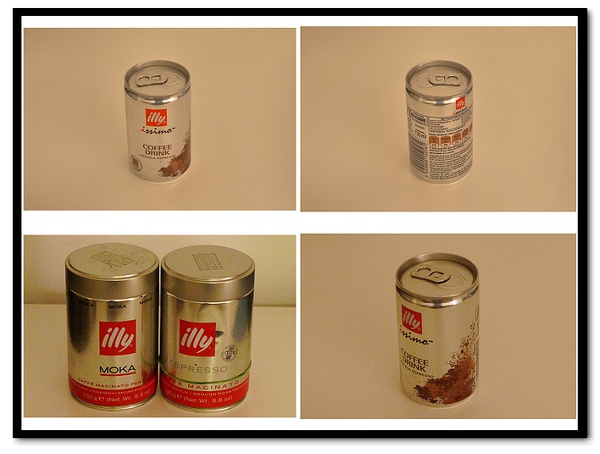
Illy coffee typically retails around 230 RMB per kilogram, positioning it as a premium offering. Lavazza offers a broader price range—from around 160 RMB to 280 RMB per kilogram—making it more accessible for different business models. For home use, Illy is often recommended; for cafés needing variety, Lavazza is the practical choice.
Taste Profiles and Roasting Philosophy
Illy emphasizes a balanced, smoother espresso with 100% Arabica beans, using a relatively light roast to highlight subtle sweetness, mild acidity, and notable crema. Reviewers often note its distinctive “aftertaste” or “returning sweetness,” especially in well-prepared shots.
Lavazza aims for a classic, bold espresso profile with a more pronounced balance of acidity and bitterness, delivering a richer, sometimes sharper cup reminiscent of traditional Italian espresso. Its taste is often described as more intense or “boozy,” with a heavier body that lingers.
Presence in China
In China, Illy’s official distributor is Shanghai Meiyi, which also imports premium machines like La Cimbali. Illy concept stores, managed by Shanghai Geo Restaurant Management, are strategically placed—not in high-traffic malls but in locations serving upscale hotels and restaurants. Their focus remains on the top 10% of coffee consumers.
Lavazza’s distribution in China is more fragmented, with multiple self-proclaimed agents. Shanghai HJ and Jisheng are among the more reputable, while Lavazza Espresso Point has a sole agent in Shanghai. A pioneering Lavazza Point café opened in Beijing’s Silk Market area, though under the name “Old Café,” serving authentic espresso using proprietary machines.
Outside authorized retailers, many cafés in China falsely advertise Illy or Lavazza, so buyers should verify authenticity—especially with Illy, which is frequently counterfeited or mislabelled.
Frequently Asked Questions
Which brand is more expensive, Illy or Lavazza?
Illy generally costs around 230 RMB per kilogram, placing it in the premium tier. Lavazza offers a wider price range—from approximately 160 RMB to 280 RMB per kilogram—so some products are cheaper than Illy, while others are more expensive.

Does Illy or Lavazza offer better espresso taste?
Illy is known for a smoother, sweeter espresso with mild acidity and prominent crema, often highlighting a distinct aftertaste. Lavazza delivers a bolder, more traditional Italian espresso with a balanced but stronger acidity and bitterness, often described as richer or more intense.
What kind of packaging do Illy and Lavazza use?
Illy uses patented inert gas cans (3kg commercial, 125g and 250g home sizes) and E.S.E. Pods that work with various machines. Lavazza uses one-way valve bags and proprietary Espresso Point capsules, which are only compatible with Lavazza Point machines.
Which brand is better for home use versus commercial use?
For home use, Illy is often preferred for its premium quality and compatible pods. For commercial settings, Lavazza is more practical due to its wider range of blends, pricing options, and proprietary capsule system designed for high-volume use.
Where is Illy more popular, Italy or internationally?
In Italy, Lavazza dominates with 47% market share. Illy is considered a Super Premium brand and ranks lower in volume—often fourth or fifth. Internationally, Illy targets the premium consumer segment, while Lavazza has broader global distribution, especially in Europe, Japan, and South America.
Are Illy and Lavazza widely available in China?
Illy is distributed officially through select agents like Shanghai Meiyi and is positioned for high-end hospitality clients. Lavazza’s distribution is more fragmented, with multiple agents and limited presence of Espresso Point systems. Many cafés falsely claim to serve these brands, so authenticity is a concern.
Recommended FrontStreet Blends for Espresso Lovers
For those exploring Italian-style espresso at home, FrontStreet Coffee’s Classic Blend offers a well-balanced profile with rich crema and smooth body—ideal for everyday espresso, lattes, and cappuccinos. If you prefer a bolder, more intense shot, the Commercial Blend delivers strong crema and a solid foundation for milk drinks, all at a great value. Both blends are crafted for consistency and performance in espresso machines, making them excellent alternatives to explore the characteristics of Italian roasting styles. Freshly roasted within 5 days · Orders placed before 17:00 ship the same day · Next-day delivery across most of Guangdong Province.
FrontStreet Coffee is a long-established specialty coffee roaster in Guangzhou China, selling freshly roasted beans from its own farm in Yunnan as well as dozens of carefully selected single-origin beans from around the world for both pour-over and espresso. The products deliver consistently excellent quality and great value, with shipping within 24 hours. Guangzhou's FrontStreet Coffee shop is recommended by many coffee lovers, and the beans are now available online at the Tmall 。
Important Notice :
前街咖啡 FrontStreet Coffee has moved to new addredd:
FrontStreet Coffee Address: 315,Donghua East Road,GuangZhou
Tel:020 38364473