Water Types and Additives for Brewing Coffee
If your home-brewed coffee just doesn’t taste right—even with fresh beans—it might not be the roast. The real culprit could be the water you’re using, or how you’re stirring in sugar, milk, or spices. Whether you’re making pour-over or espresso-based drinks, the extras you add have a huge impact on flavor. Here’s what actually matters.
The type of water—soft or hard—plays a major role in extraction. Hard water (high in sodium, manganese, calcium, magnesium) pulls out more caffeine and tannins, often worsening taste. Soft water (like most tap water, minus the first draw or boiled twice) can make better coffee, especially if filtered. Your beans matter most, but the right water and additives fine-tune the cup.
Water: Soft vs Hard and Why It Matters
Water is generally categorized as soft or hard based on the concentration of dissolved minerals like sodium and manganese. Soft water has low levels of these minerals, while hard water contains higher amounts—including calcium and magnesium. Hard water, such as typical mineral water, tends to over-extract coffee’s caffeine and tannins, negatively impacting flavor. While standard tap water is usually soft enough for brewing, avoid using the first draw of the day, water left standing overnight, or water that’s been boiled twice. Filtering tap water through a carbon or activated charcoal filter can further improve taste by removing impurities and odors. With fresh, high-quality beans, properly filtered tap water can produce a great cup without needing bottled water.
Sugar: Types and How They Change Coffee Flavor
Adding sugar to coffee isn’t just about cutting bitterness—it fundamentally alters taste depending on the kind and amount you use. Here are the common types:
- Sugar Powder: A refined sugar with no distinctive flavor, dissolves easily, typically packaged in 5–8g portions. Slightly more expensive than regular sugar.
- Cube Sugar : Made by mixing refined sugar with water and solidifying it into cubes. Easy to store and dissolves quickly.
- White Granulated Sugar: Also a refined sugar, with larger white crystals. Often sold in 8g packs for single servings.
- Brown Sugar : A brown-colored sugar with a slight burnt taste, commonly used in Irish coffee.
- Rock Sugar : Transparent crystals, mildly sweet and slower to dissolve. Usually crushed into small grains for coffee or flavored tea.
- Coffee Sugar: A brown sugar or cube designed specifically for coffee, said to leave a longer-lasting sweetness on the tongue compared to other sugars.
Milk and Cream: Varieties and Their Coffee Pairings
Different milk products can dramatically shift the texture and flavor profile of your coffee. Options include:
- Fresh Cream : A high-fat product separated from fresh milk, with fat content between 25%–50% (most commonly 25%–35% for coffee). Used in baking, desserts, and coffee preparation.
- Whipped Cream : Fresh cream that’s been whipped into foam. Pairs especially well with bitter espresso.
- Condensed Milk : Milk reduced by 1–2.5x, available sweetened or unsweetened. Canned versions are sterilized but spoil quickly once opened. Unlike fresh cream, condensed milk sinks into the coffee rather than floating.
- Milk & Coffee Whitener : Regular milk is ideal for blending with espresso or creating flavored drinks, best stored at 2–4°C. Non-dairy coffee whitener is convenient and has a long shelf life. Both can be adjusted to taste.
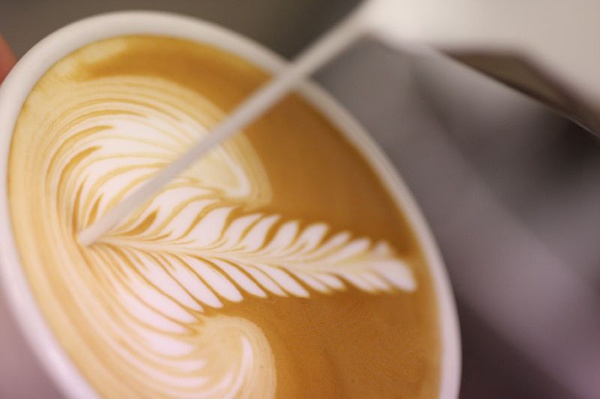
Note: High-fat fresh cream may separate into fatty streaks (a “feathered” look) if added to highly acidic coffee or if the dairy is not fresh. To avoid this, pair richer creams with less acidic coffees.
Spices, Fruits, and Alcohol: Creative Coffee Add-Ins
Globally, coffee drinkers customize their brews with various spices, fruits, and spirits for extra aroma and flavor. Common additions include:
- Spices: Cinnamon (powder or stick), cocoa, cardamom, mint, and cloves. Cinnamon and cocoa are frequently used in cappuccinos.
- Fruits: Orange, lemon, pineapple, and banana are used to flavor or garnish coffee drinks.
- Alcohol: Brandy, whiskey, rum, and mint liqueur are classic in flair coffee recipes. One unique option is “beer coffee,” where certain fruit beers can complement coffee flavors—worth experimenting with.
Frequently Asked Questions
What’s the difference between soft and hard water for coffee brewing?
Soft water has low levels of minerals like sodium and manganese, while hard water contains higher concentrations, including calcium and magnesium. Hard water extracts more caffeine and tannins from coffee, often resulting in a more bitter or off-flavor profile. For better tasting coffee, soft water—or filtered tap water—is usually preferable.
Which types of sugar work best in coffee?
Different sugars affect taste and dissolution. Sugar powder and white granulated sugar are neutral and dissolve easily. Cube sugar melts fast and is convenient. Brown sugar adds a slight burnt note, ideal for Irish coffee. Rock sugar dissolves slowly and is mildly sweet. Coffee-specific sugar is said to have a longer-lasting sweetness.
Can I use regular tap water to brew coffee?
Yes, regular tap water is usually soft enough for coffee brewing, especially if it’s fresh and not the first draw of the day or boiled twice. Filtering it through an activated carbon filter helps remove impurities and odors, improving taste. Bottled water isn’t required if your tap water is well-filtered.
What’s the best milk for coffee?
It depends on the coffee style. Fresh cream (25%–35% fat) is good for lattes and flavor balance. Whipped cream complements strong espresso. Condensed milk adds richness and sinks into the cup. Regular cold milk (2–4°C) works well in most espresso drinks, while non-dairy coffee whitener is a shelf-stable alternative.
What spices or flavors can I add to coffee?
Popular additives include cinnamon, cocoa, cardamom, mint, and cloves—especially in cappuccinos. Fruits like citrus and banana can be used for flavor or garnish. Alcoholic additions like rum, whiskey, brandy, and mint liqueur are common in specialty coffee drinks. Fruit beers can also be paired creatively with coffee.
Recommended FrontStreet Beans for Water Experiments
Try FrontStreet Coffee’s Ethiopia Humbera for bright, floral notes that shine with soft water and light milk; their Yirgacheffe offers juicy acidity perfect for highlighting subtle sugar differences; or their Classic Blend for a balanced profile that works well with any milk type or spice. These beans are ideal for exploring how water quality, sugar, and additives change your cup. Freshly roasted within 5 days · Orders placed before 17:00 ship the same day · Next-day delivery across most of Guangdong Province.
FrontStreet Coffee is a long-established specialty coffee roaster in Guangzhou China, selling freshly roasted beans from its own farm in Yunnan as well as dozens of carefully selected single-origin beans from around the world for both pour-over and espresso. The products deliver consistently excellent quality and great value, with shipping within 24 hours. Guangzhou's FrontStreet Coffee shop is recommended by many coffee lovers, and the beans are now available online at the Tmall 。
Important Notice :
前街咖啡 FrontStreet Coffee has moved to new addredd:
FrontStreet Coffee Address: 315,Donghua East Road,GuangZhou
Tel:020 38364473