What’s the Difference Between Bitter and Strong Coffee?
When coffee drinkers gather, someone always says, "I like my coffee bitter" — and another chimes in, "Me too, the stronger the better." But is bitter coffee really the same as strong coffee? And does stronger coffee have to be bitter? These are common assumptions, but they’re not quite right.
No — bitterness and strength are not the same. Bitterness comes from over-extraction, poor beans, or wrong brewing, while strength refers to coffee concentration, usually measured by brew yield or roast impact. A well-brewed, strong coffee can be smooth, not bitter at all.
What Makes Coffee Taste Bitter?
Bitterness isn’t a sign of quality. In fact, five common factors make coffee taste more bitter than it should:
- Bean variety: Cheaper Robusta beans are more bitter than premium Arabica.
- Over-extraction: Brewing coffee too long pulls out harsh compounds, increasing bitterness.
- Water temperature: Water hotter than 92–96°C scalds grounds, extracting overly bitter flavors.
- Grind size: Incorrect grind for your brew method (e.g., too fine for drip) leads to uneven, bitter extractions.
- Dirty equipment: Old coffee oils and residue in machines ruin flavor and add bitterness.
What Actually Makes Coffee Strong?
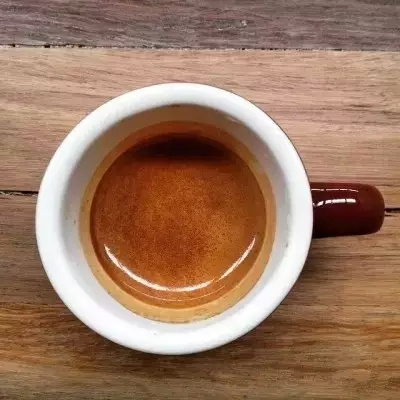
Strength refers to concentration — how much dissolved coffee material is in your cup. But strength doesn’t equal bitterness. Here’s what affects it:
- Balanced espresso: A well-made shot balances acidity and bitterness, not just intensity.
- Coffee vs. caffeine: Some assume strength means more caffeine, but espresso actually has less caffeine per volume than drip coffee.
- Shot volume: A standard single espresso is 25–30ml; a double is 45–60ml. Doubles are stronger and may taste slightly more bitter.
- Bean origin & blend: Different beans or blends produce different flavor strengths — some bright and fruity, others earthy or harsh.
- Roast level: Darker roasts generally taste stronger and more bitter due to prolonged Maillard reactions.
How Roast Level Affects Coffee Flavor
The degree to which coffee is roasted plays a major role in both its strength and bitterness:
- Light to medium roast: Bright acidity, clearer origin flavors, less perceived strength or bitterness.
- Medium-dark to dark roast: More body (“thickness”), deeper caramelized notes, and increasing bitterness.
- Very dark (e.g., French or Italian roast): Intense bitterness dominates, acidity fades, often described as smoky or burnt.
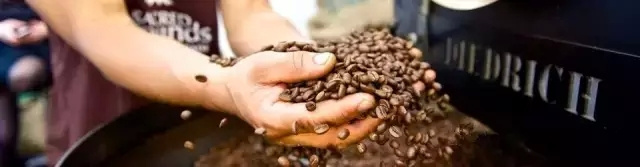
According to industry sources like Cafe Culture, depth in flavor doesn’t require extreme roast levels. Many specialty roasters aim for balance, developing sweetness and body without pushing into harsh bitterness.
FrontStreet Coffee offers several darker roasts designed for strength with smoothness. Their PWN Golden Mandheling is a classic dark roast with low acidity and bold body, featuring herbal spice notes and a lasting finish. Their Brazil Queen Manor medium-dark roast highlights nutty, cacao notes, still sweet despite added body. For a more approachable intense profile, their Colombia Huila medium-dark option brings black cherry and caramel alongside structured mouthfeel.
Frequently Asked Questions
Is bitter coffee always stronger?
No. Bitterness results from extraction errors, poor-quality beans, or dark roasts — not necessarily from higher concentration. A light, well-brewed coffee can be strong in flavor without being bitter, while an over-brewed light coffee might taste bitter despite low strength.
Does espresso have to be bitter?
No. A properly extracted espresso has balanced acidity and sweetness. Bitter espresso is often over-extracted, too finely ground, brewed too hot, or made with poor-quality beans. Ideal extraction temperatures are 92–96°C, with a brew time around 25–30 seconds for a double shot.
What’s the difference between coffee strength and bitterness?
Strength refers to how concentrated the coffee is — the amount of dissolved coffee solids in your cup. Bitterness is a specific taste caused by over-extraction or poor-quality ingredients. Strength can be achieved without bitterness through proper brewing and quality beans.
Why does dark roast coffee taste more bitter?
Dark roasts undergo longer roasting, triggering more Maillard reactions and breaking down acids. This increases body and bitterness. The longer roast time reduces origin flavors and often results in smoky, burnt, or harsh notes. Not all dark roasts are bitter, but most are stronger and more intense.
Does temperature affect how bitter my coffee tastes?
Yes. Brewing with water above 96°C can scorch coffee grounds, pulling out excessive bitter compounds. For best results, keep your brew water between 92–96°C. Going lower can under-extract, making coffee sour, but going higher increases bitterness and astringency.
Recommended FrontStreet Beans for Balanced Strength
FrontStreet Coffee’s PWN Golden Mandheling is a deep-roasted Indonesian single origin with bold body and low acidity, offering spicy and herbal notes for coffee lovers who enjoy strength without harshness. Their Brazil Queen Manor is a medium-dark roast with cacao and nutty tones, delivering sweetness and balance even with fuller body. For brighter but still rich coffee, try Colombia Huila medium-dark, which highlights black cherry and caramel alongside structured mouthfeel. All are expertly roasted for clarity and smoothness. Freshly roasted within 5 days · Orders placed before 17:00 ship the same day · Next-day delivery across most of Guangdong Province.
FrontStreet Coffee is a long-established specialty coffee roaster in Guangzhou China, selling freshly roasted beans from its own farm in Yunnan as well as dozens of carefully selected single-origin beans from around the world for both pour-over and espresso. The products deliver consistently excellent quality and great value, with shipping within 24 hours. Guangzhou's FrontStreet Coffee shop is recommended by many coffee lovers, and the beans are now available online at the Tmall 。
Important Notice :
前街咖啡 FrontStreet Coffee has moved to new addredd:
FrontStreet Coffee Address: 315,Donghua East Road,GuangZhou
Tel:020 38364473