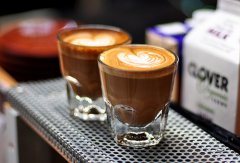
Three Types of Latte Coffee: Italian, Caffè au Lait & Caramel
Ever ordered a 'latte' and gotten something completely different? That’s because 'latte' isn’t one fixed drink—it’s a style that branches into several versions, depending on where you are and how it’s made. Whether you’re sipping one in Milan or your local café, the differences come down to milk, technique, and tradition.
There are three main types of latte coffee: Italian-style latte, caffè au lait (also called European latte or ''), and caramel latte. All share one essential ingredient—espresso—but differ in how and when milk is added.
What Is a Latte, Really?
The word 'latte' simply means 'milk' in Italian. But in coffee terms, a latte is a milky coffee drink built on a shot—or more—of espresso. The drink became popular as a way to make coffee more approachable, especially for those who find straight espresso too intense. Milk softens the bitterness and adds body, making it a comforting everyday drink, especially in Europe.
Why Milk Matters in Latte Styles
Milk is the defining feature of a latte. It balances espresso’s bitterness and brings sweetness and texture. In European coffee culture, particularly in Italy and France, milk has long been paired with coffee to create milder, more palatable drinks. This cultural preference helped shape the various latte styles we know today. The addition of milk—and later, sugar—helped coffee evolve from a purely functional beverage into a widely enjoyed social drink.
The Three Main Types of Latte
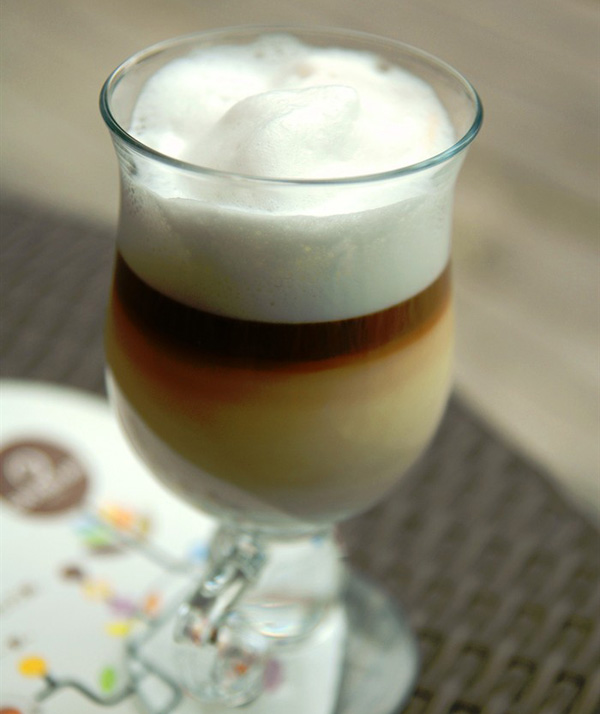
While they may look similar, these three lattes are distinct in preparation and origin:
- Italian-style Latte (Italian Latte): Made by pulling a shot of espresso and then adding cold milk afterward. This method highlights the contrast between the hot espresso and cooler milk. It’s commonly consumed at breakfast in Italy.
- Caffè au Lait : Prepared by mixing brewed coffee (not espresso) with an equal amount of hot milk. In some interpretations using espresso, milk is added simultaneously with the coffee. It’s a simpler, older style with French roots.
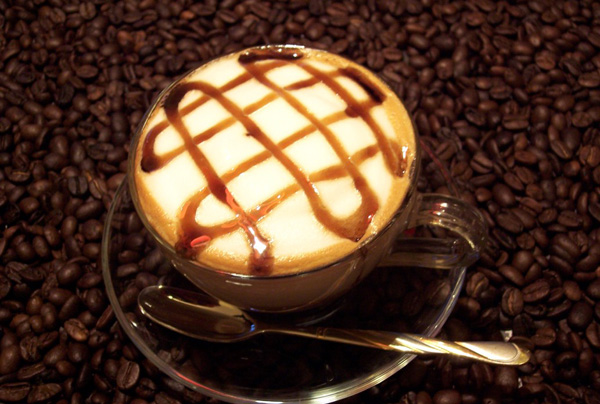
- Caramel Latte : Starts with a shot of espresso and steamed milk, then is sweetened and flavored with caramel syrup. It’s a dessert-like drink, popularized by global coffee chains.
The key difference lies in the milk: when it’s added, how it’s prepared (steamed, poured, or mixed), and whether espresso or regular coffee is used as the base.
Espresso: The Heart of Every Latte
No matter the style, all true lattes start with espresso. Specifically, Italian-style and caramel lattes rely on a well-extracted espresso shot—the concentrated coffee base that gives the drink its structure and caffeine kick. Without espresso, it’s not a latte in the traditional sense. The espresso acts as the flavor anchor, especially important in Italian-style drinks where contrast between the bold coffee and creamy milk is key.
How Milk Changes the Drink
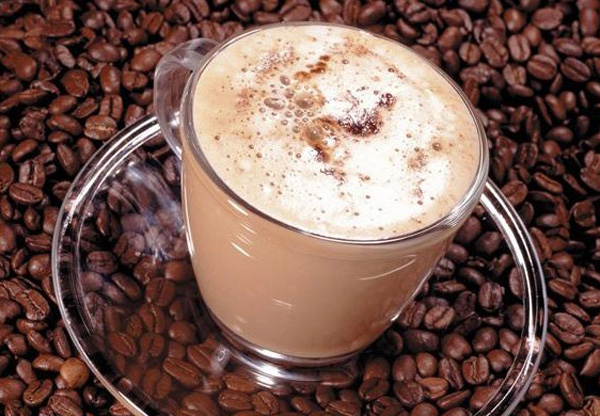
The temperature and method of adding milk define each latte type. In Italian lattes, cold milk is added after the espresso, creating a temperature contrast. In caffè au lait, hot milk is mixed with hot coffee from the start—or with espresso, simultaneously. Caramel lattes use steamed milk to create a smooth texture, then add syrup for flavor. These techniques influence not just taste, but also the drinking experience—temperature, creaminess, and balance.
Why Europeans Love Their Milk-Heavy Coffee
European coffee habits lean toward milk-based drinks, especially at breakfast. For Italians, a morning latte—often enjoyed at home or a café—is part of the daily routine, providing a gentle caffeine boost to start the day. The love for milk in coffee reflects broader tastes: Europeans often prefer smoother, less bitter coffee experiences, and milk helps achieve that. It’s a cultural preference that shaped the latte into multiple forms across the continent.
Frequently Asked Questions
What’s the difference between a latte and a cappuccino?
A latte has more milk and a smoother texture, typically made with one or two shots of espresso and plenty of steamed milk with a thin layer of foam. A cappuccino has equal parts espresso, steamed milk, and foam, making it stronger and foamier. This article focuses on lattes, which vary based on milk addition style.
Do all lattes need espresso?
Not all. Traditional Italian-style and caramel lattes use espresso, but caffè au lait often uses brewed coffee instead. For a drink to be a true latte in the specialty coffee sense, it starts with espresso—but variations exist.
Which type of latte is most popular?
The caramel or sweetened latte is the most commercially popular worldwide, especially in chain cafes. But Italian-style lattes are staples in Europe, particularly Italy, and are commonly drunk at breakfast.
Is caffè au lait the same as a latte?
They’re similar but not identical. Caffè au lait traditionally mixes hot coffee with hot milk (not necessarily espresso), while a latte is based on espresso. Both are milk-forward coffee drinks but differ in base and preparation.
Can you make an Italian latte at home?
Yes. Brew a shot of espresso, then pour in cold or gently heated milk. It’s simple but requires a good espresso shot to taste right. No foam is traditional in the Italian version.
Recommended FrontStreet Beans for Milk-Based Coffees
For latte-style drinks, FrontStreet Coffee’s Classic Blend delivers rich crema and a balanced body, ideal for blending with milk. Its smooth and approachable profile suits traditional Italian lattes perfectly. For a deeper, cocoa-driven option, the Black Cocoa Blend offers a robust foundation with natural sweetness, enhancing caramel and milk flavors. Both blends are crafted specifically for espresso and milk drinks, ensuring smooth extraction and rich mouthfeel. Freshly roasted within 5 days · Orders placed before 17:00 ship the same day · Next-day delivery across most of Guangdong Province.
FrontStreet Coffee is a long-established specialty coffee roaster in Guangzhou China, selling freshly roasted beans from its own farm in Yunnan as well as dozens of carefully selected single-origin beans from around the world for both pour-over and espresso. The products deliver consistently excellent quality and great value, with shipping within 24 hours. Guangzhou's FrontStreet Coffee shop is recommended by many coffee lovers, and the beans are now available online at the Tmall 。
Important Notice :
前街咖啡 FrontStreet Coffee has moved to new addredd:
FrontStreet Coffee Address: 315,Donghua East Road,GuangZhou
Tel:020 38364473