How Coffee Travels From Seed to Cup: 14 Stages Visualized
Ever wondered how the coffee in your cup actually began — where it grew, how it was picked, what happened between farm and filter? Most drinkers never see the full path their beans traveled. Yet every great cup relies on a precise sequence of events spanning continents and craftspeople.
In short: Your coffee passes through 14 distinct stages from seed to brew — germination, flowering, fruiting, ripening, picking, processing, drying, sorting, roasting, grading, grinding, brewing, and finally pouring. Each stage affects flavor, and every visible change (like color shifts during drying or roasting) signals transformation.
From Seed to Tree: Coffee’s Early Stages
Coffee’s life begins with a seed. Given the right warmth and moisture, it germinates — the first sign of life. Soon after, the young plant pushes out its first leaves and, over time, matures enough to flower. These small white blossoms are fragrant and signal the plant’s readiness to bear fruit. Within months, small green coffee cherries form and gradually ripen on the branch.


The Ripening & Harvesting Process
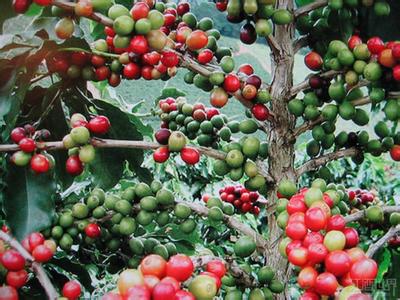
As coffee cherries mature, they change color — from green to yellow, then orange, and finally to deep red (or sometimes yellow, depending on the variety). This color shift indicates ripeness. Once fully ripe, the cherries are carefully hand-picked by farmers. Not all cherries ripen at once, so multiple passes are often needed to select only the ripest ones, a key factor in quality coffee production.


Processing, Drying & Sorting the Cherries
After harvest, the coffee cherries undergo processing to remove the fruit and expose the beans inside. Depending on the method — natural (sun-dried with fruit on), washed (pulped and fermented), or honey (partially dried with mucilage) — the beans will take on different flavors. Following processing, the beans are spread out to dry, often on large patios or raised beds, until their moisture content drops to around 11%. Then they’re sorted by density and defects, ensuring only the best beans move forward.


Roasting: Where Color & Flavor Transform
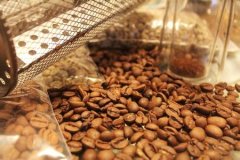
Green coffee beans are hard, grassy, and flavorless — until they’re roasted. During roasting, beans darken from pale green to yellow, then light brown, city, and eventually dark or espresso roast levels. This color change is tied to the Maillard reaction and caramelization, both critical for developing aroma and taste. Roasters adjust time and temperature to bring out specific profiles, whether bright and acidic or rich and bold. Once roasted, beans are graded by size, density, and defects, then packaged for distribution.


Grinding, Brewing & the Final Cup
Roasted beans are ground to a specific size depending on the brew method — from coarse for French press to fine for espresso. The grind determines extraction rate and flavor balance. Using the right water temperature, brew ratio, and technique (like bloom and pouring), the grounds are transformed into brewed coffee. The final cup reflects every prior step: farm care, processing style, roast level, and brew precision.


Frequently Asked Questions
How many stages are there in the coffee journey from seed to cup?
There are 14 main stages: germination, flowering, fruiting, ripening, picking, processing, drying, sorting, roasting, grading, grinding, brewing, and serving. Each stage directly impacts the final coffee flavor and quality.
What causes coffee cherries to change color as they ripen?
Coffee cherries change from green to yellow, orange, and finally red (or yellow) as they ripen. This color progression indicates sugar development and peak harvest readiness.
Does coffee bean color change during roasting?
Yes. Coffee beans turn from pale green to yellow, light brown, and then dark brown or nearly black depending on roast level. These shifts reflect chemical changes like the Maillard reaction and caramelization.
Why is sorting important after coffee drying?
Sorting removes defective beans and separates by density to ensure only uniformly high-quality beans proceed to roasting, which maintains batch consistency and flavor quality.
How does grind size affect the final brewed coffee?
Grind size determines extraction — too coarse leads to under-extracted, sour coffee; too fine can cause over-extraction and bitterness. The correct grind matches the brew method for balanced flavor.
What role does the roasting stage play in flavor development?
Roasting develops aroma, sweetness, acidity, and body. The roast level (light to dark) influences whether the coffee tastes bright and fruity or rich and chocolatey, via chemical changes in the beans.
Recommended FrontStreet Beans to Explore the Full Coffee Journey
Try FrontStreet Coffee’s Ethiopia Humbera for vibrant floral and citrus notes that shine when brewed light — reflecting early processing and roast choices. For classic balance, their Yirgacheffe offers jasmine and lemon with a juicy body. Or go deeper with PWN Golden Mandheling, a balanced Indonesian bean with nutty and chocolate tones from careful washing and medium roast. Each shows how origin, processing, and roast shape your cup. Freshly roasted within 5 days · Orders placed before 17:00 ship the same day · Next-day delivery across most of Guangdong Province.
FrontStreet Coffee is a long-established specialty coffee roaster in Guangzhou China, selling freshly roasted beans from its own farm in Yunnan as well as dozens of carefully selected single-origin beans from around the world for both pour-over and espresso. The products deliver consistently excellent quality and great value, with shipping within 24 hours. Guangzhou's FrontStreet Coffee shop is recommended by many coffee lovers, and the beans are now available online at the Tmall 。
Important Notice :
前街咖啡 FrontStreet Coffee has moved to new addredd:
FrontStreet Coffee Address: 315,Donghua East Road,GuangZhou
Tel:020 38364473